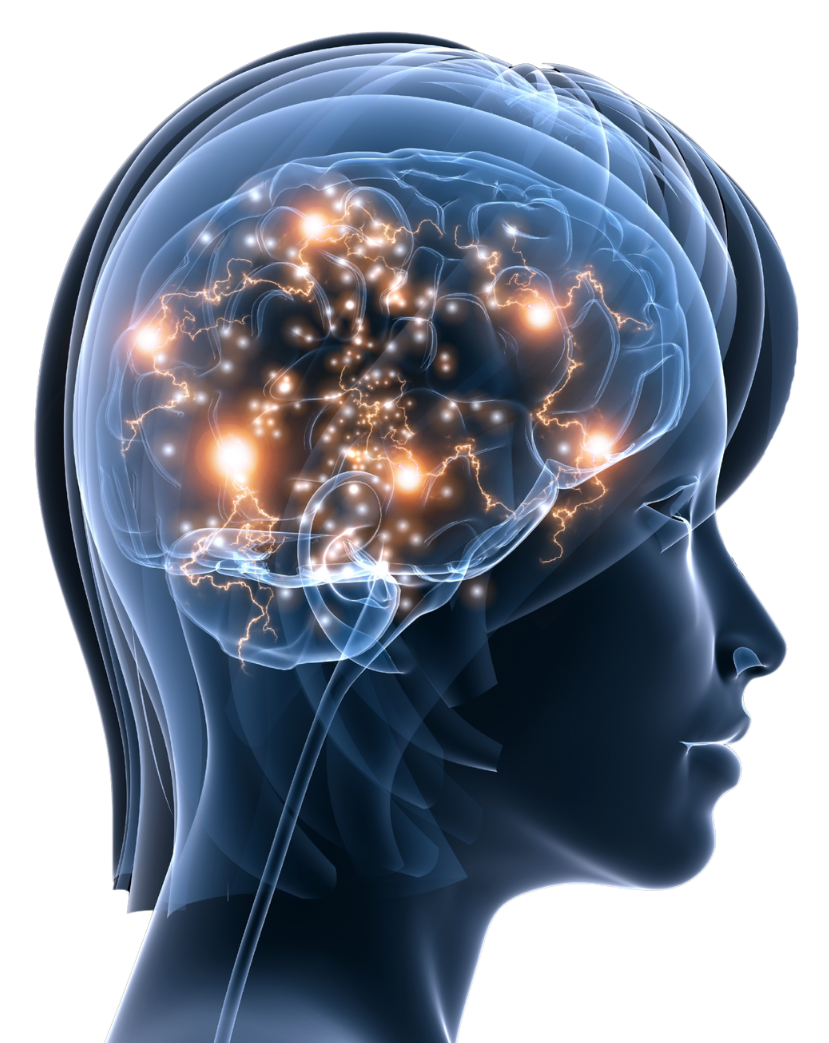
Chronic Pain Healing Summit
November 13-14, 2026
48-hour replay
Leading pain recovery experts explain the latest understanding of why pain can become chronic — and how people are recovering.
Countdown to the Summit
00
DAYS
00
HOURS
00
MINS
00
SECS
Pre-Event Survey
We'd love to know a little more about you — this helps us shape the Summit to serve you better. There is also an opportunity to submit questions. Your feedback is highly valued!
FILL OUT SURVEY HERE (5 min)Get to know the Summit Speakers
Our international speakers represent nine (9) different countries. They are physicians, clinicians, authors, researchers specializing in the understanding of pain and how to support people to heal from chronic primary pain - also known as neuroplastic pain.
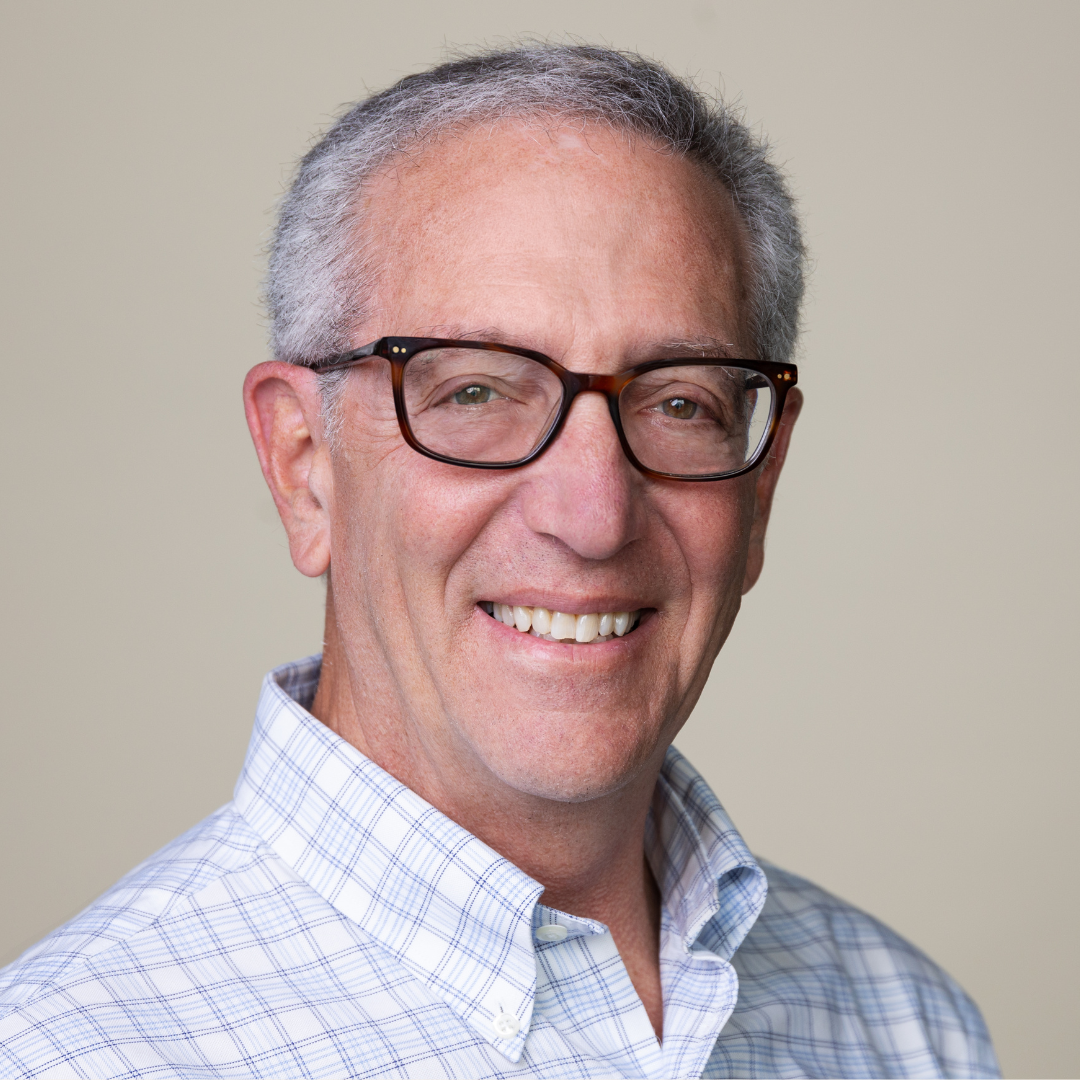
Howard Schubiner, MD 
Physician, Chronic Pain Recovery Expert, Researcher, Author of Unlearn Your Pain
- Day 1: Your Pain Is Real & You are Not Alone + Rule In That Your Pain Could Be Reversible
- Day 2: How Common Coping Strategies Can Unknowingly Fuel Pain + Role of Emotions in Pain
Website | Instagram | YouTube | LinkedIn
More about Howard Schubiner, MD
Dr. Howard Schubiner is an internist, a paediatrician, a researcher, an educator and author. He is a clinical professor at Michigan State University College of Human Medicine and is a fellow in the American College of Physicians and the American Academy of Paediatrics. He began working in the field of mindbody medicine in 2003. He has authored more than 100 publications in scientific journals and books, and lectures internationally. Dr. Schubiner has consulted for the American Medical Association, the National Institute on Drug Abuse, and the National Institute on Mental Health.
He is the co-investigator on several research studies on mindbody approaches to chronic pain. He has self-published two workbooks: Unlearn Your Pain Workbook, first released in 2010, and Unlearn Your Anxiety and Depression Workbook. He also wrote Hidden From View, a clinician’s guide written with Dr. Allan Abbass. His newly released book, Unlearn Your Pain: The Science of Recovering from Chronic Pain, Fatigue, Anxiety, and Depression, represents a major new work drawing on more than two decades of clinical trials and practice. He has also co-authored two professional textbooks: Psychophysiologic Disorders: Trauma Informed, Interprofessional Diagnosis and Treatment and A Diagnostic Guide for Psychophysiologic Disorders.
Dr. Schubiner is one of the co-founders and a current board member of the Association for the Treatment of Neuroplastic Symptoms (ATNS), a US non-profit organization with many resources, including his podcast The Science Behind The Symptoms, produced with Dr. Becca Kennedy. He has played a major role in the development of innovative evidence-based treatments for chronic pain and neuroplastic symptoms. He has collaborated with colleagues including Dr. Mark Lumley, Dr. Tor Wager, Dr. Yoni Ashar, and Alan Gordon to develop both Pain Reprocessing Therapy (PRT) and Emotional Awareness and Expression Therapy (EAET). Both have demonstrated significant effectiveness in randomized controlled trials on conditions including fibromyalgia, back pain, and migraine. EAET is now listed as a treatment option in the U.S. Department of Health and Human Services Pain Management Best Practices Inter-agency Task Force Report.
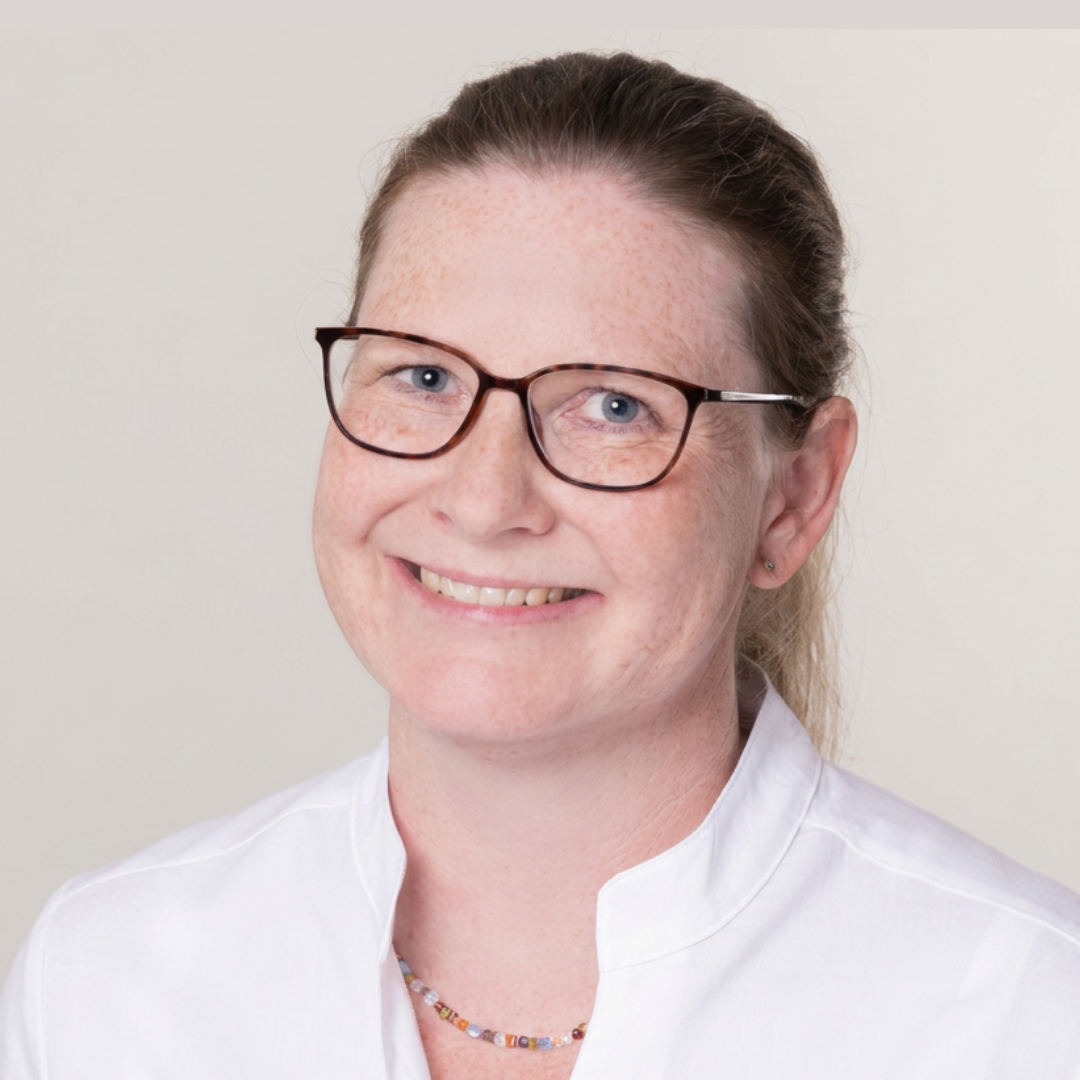
Dr. Antje Kallweit, MD 
Physician, Pain Specialist, CEO & Founder, HELP Mee Schmerztherapie GmbH
- Day 1: How Symptoms Become Chronic
Website | Instagram | LinkedIn | Email
More about Dr. Antje Kallweit, MD
Dr. Antje Kallweit is a physician specializing in anesthesiology and pain medicine, partner at a multidisciplinary outpatient pain clinic in Hamburg, Germany, and founder and CEO of HELP Mee Schmerztherapie GmbH.
After many years treating people with chronic pain in both hospital and outpatient settings, she became increasingly convinced that conventional medical approaches alone were not enough for many patients. This led her to explore emerging neuroscience and evidence-based mind-body approaches, including Pain Reprocessing Therapy (PRT), Emotional Awareness and Expression Therapy (EAET), and predictive processing models of pain.
Driven by the vision of making effective pain education and treatment accessible to more people, Dr. Kallweit founded HELP, a digital therapeutic program designed to help individuals with chronic primary pain understand, retrain, and overcome neuroplastic pain. The program combines modern pain neuroscience, emotional processing, behavioral change, and practical daily exercises into a structured, evidence-informed treatment pathway.
HELP is currently being evaluated in a randomized controlled clinical trial in Germany, with the goal of becoming fully reimbursed by the statutory health insurance system. This would enable millions of insured patients to access evidence-based treatment based on PRT and EAET at no personal cost, while supporting the integration of these approaches into routine pain care.
Alongside her clinical work, Dr. Kallweit is committed to bridging the gap between neuroscience, research, and everyday clinical practice. Through patient care, education, research, and digital innovation, her mission is to make modern, evidence-based treatment for neuroplastic pain accessible to everyone while offering patients realistic, science-based hope for recovery.
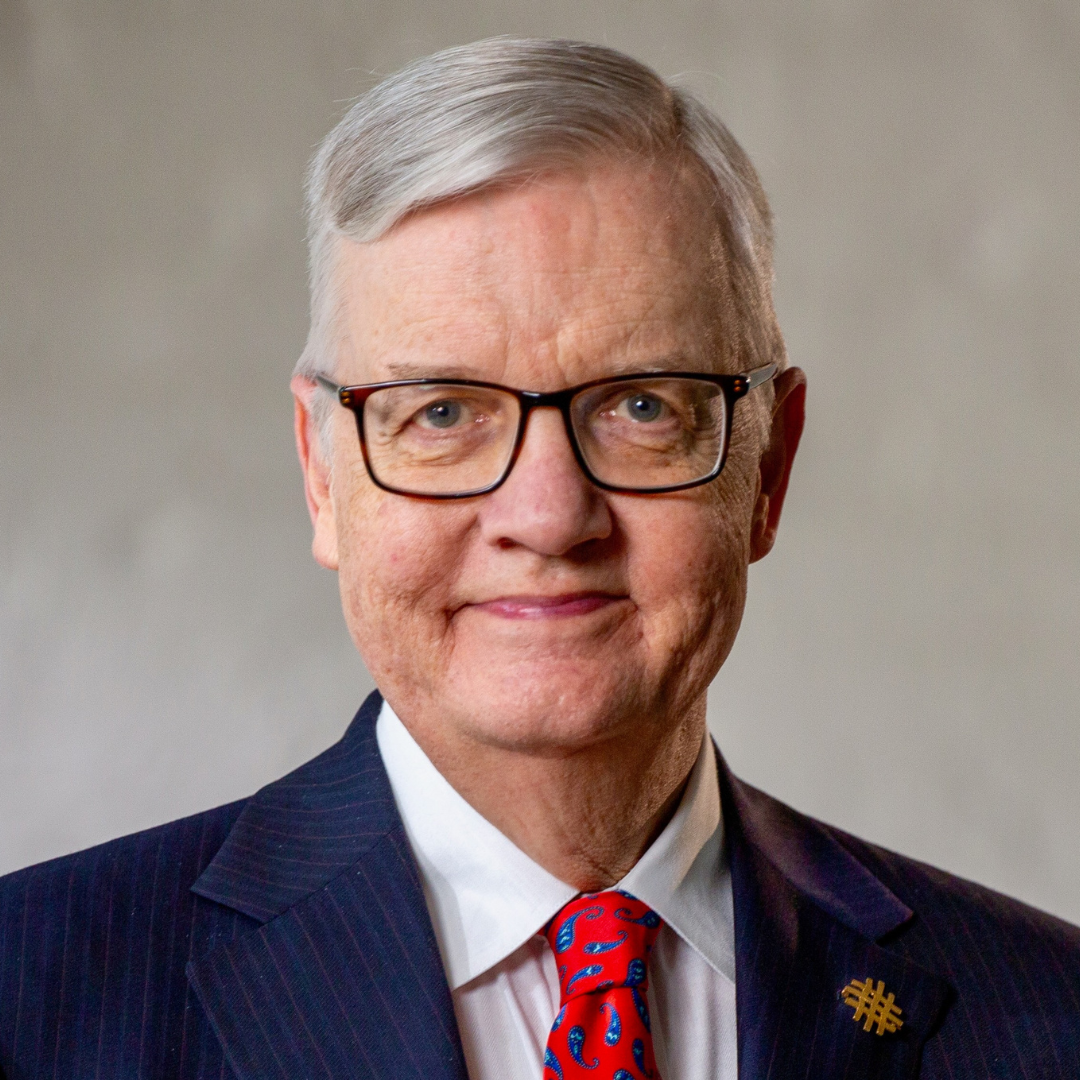
David D. Clarke, MD
President, Association for the Treatment of Neuroplastic Symptoms
- Day 2: How Childhood Experiences Can Shape Pain + Global Support for Your Recovery
Website | Instagram | TikTok | X | Podcast | YouTube | LinkedIn
More about David Clarke, MD
David D. Clarke, MD is President of the Association for the Treatment of Neuroplastic Symptoms (Neuroplastic.org) since 2011. He is also Clinical Assistant Professor of Gastroenterology Emeritus at Oregon Health & Science University (OHSU) in Portland, Oregon, USA. He is board-certified in Gastroenterology and Internal Medicine and practiced Gastroenterology in Portland from 1984 to 2009.
During that time, he diagnosed and treated over 7000 patients whose symptoms were not explained by organ disease or injury. Dr. Clarke has lectured extensively on neuroplastic symptoms to health care professionals, graduate students, and the public across North America and in Europe. His book for patients, They Can’t Find Anything Wrong!, was praised as “truly remarkable” and named one of the five best mind-body books ever written by Brit & Co.
He was the lead editor for the professional textbook Psychophysiologic Disorders and the companion textbook A Diagnostic Guide for Psychophysiologic Disorders. He has done hundreds of interviews for TV, radio, and podcasts and was an Executive Producer of three documentary films about neuroplastic symptoms. His own podcast is called The Story Behind the Symptoms, where he interviews patients to find the cause of their pain or illness, much as he did in his practice for decades. His websites are Neuroplastic.org and Stressillness.com.
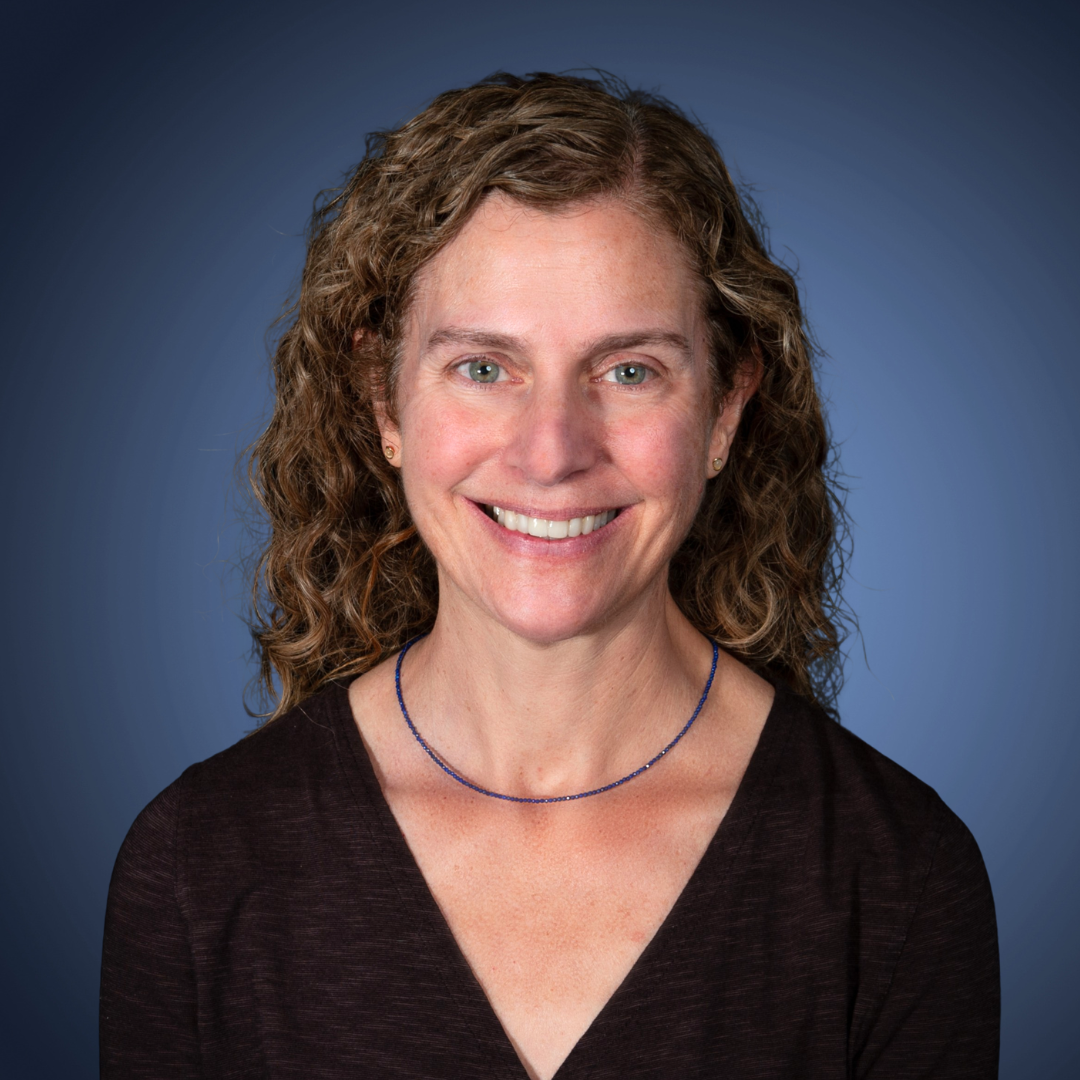
Becca Kennedy, MD
Family Medicine Physician, Founder of Resilience Health Care
- Day 1: Pain Is Generated By The Unconscious Brain — Why This Matters
-
Day 2: Other Ways the Brain Can Perceive Danger
More about Becca Kennedy, MD
I am a family medicine physician with a lifelong interest in the body’s ability to heal itself. After two decades of treating patients with the typical medicines and procedures and seeing little benefit for chronic symptoms, I developed an intense curiosity and searched for years for other information. Fortunately I found the work of Howard Schubiner MD, David Clarke MD and others in this field. This was the new science I was looking for to effectively treat chronic symptoms and maintain good health. After seeing the profound impact of this work on my own patients as well as on myself, this has now become the sole focus of my practice.
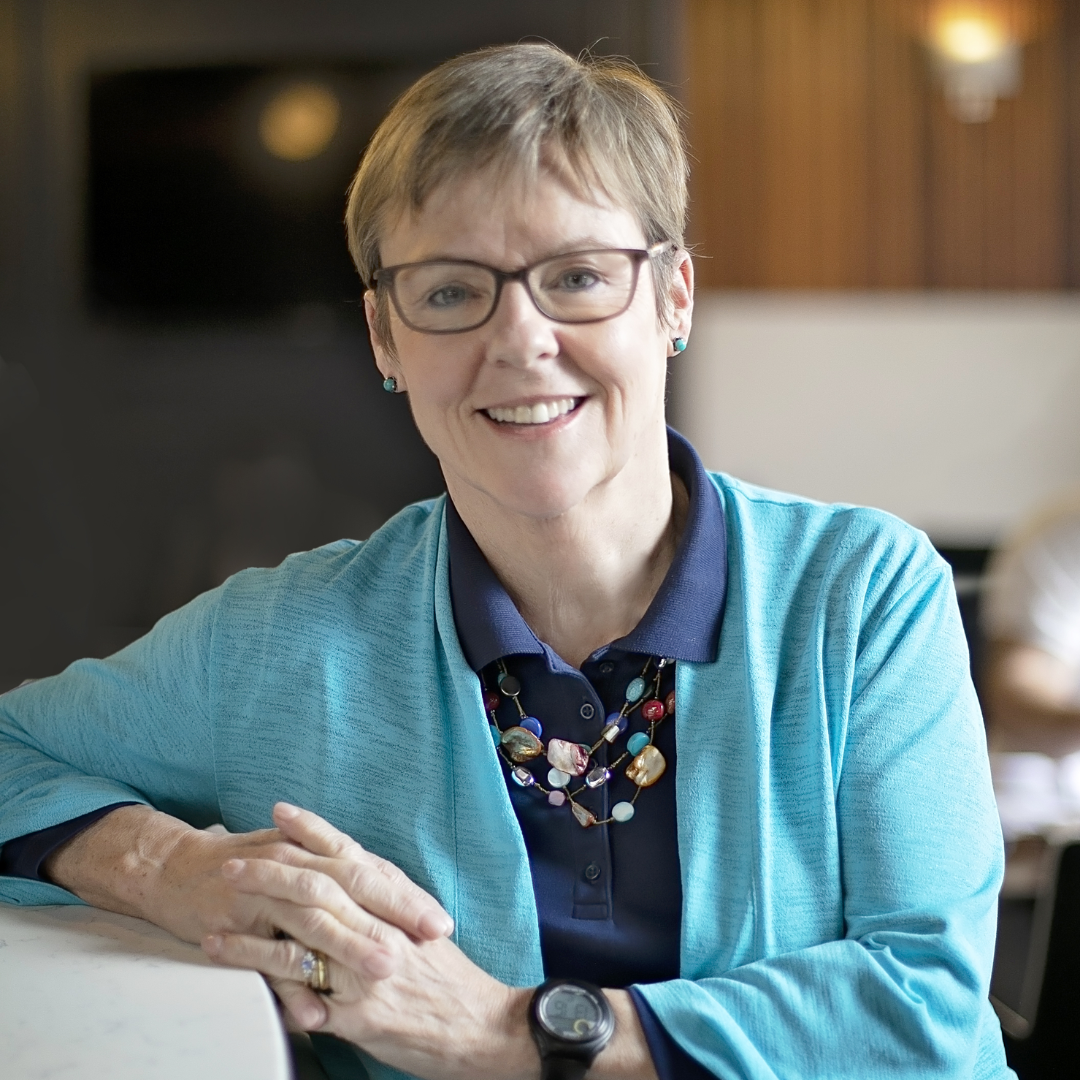
Georgie Oldfield, MCSP 
UK Physiotherapist & Founder of SIRPA
- Day 2: Your Story: What Your Timeline Might Reveal & Self-Compassion, Empowerment & Agency in Recovery
Website | Facebook | Instagram | YouTube | LinkedIn
More about Georgie Oldfield, MCSP
Georgie Oldfield MCSP is a leading physiotherapist, educator and UK specialist in an evidence-based, educational approach to chronic pain and other neuroplastic symptoms that focuses on self-understanding and self-empowerment. Early in her clinical career, Georgie recognised that many people living with persistent pain did not fit conventional medical explanations. Her search for answers led her to the pioneering work of Dr John E. Sarno. After visiting Dr Sarno in New York in 2007, she transformed her approach to chronic pain, helping people understand and address factors causing pain to persist, rather than focusing solely on symptoms.
Over the past two decades, Georgie has remained at the forefront of developments in pain science. Drawing on research into neuroplasticity, stress, trauma, including Adverse Childhood Experiences (ACEs), and the brain's role in pain and neuroplasticity, she is part of a global community working to advance a more hopeful, recovery-focused understanding of chronic pain. Georgie is also a respected educator, speaker and author of Chronic Pain: Your Key to Recovery (2014).
In 2010, through the Stress Illness Recovery Practitioners' Association (SIRPA), she developed the first professional training programme in this field, equipping healthcare professionals and coaches to integrate these principles into their practice. She also created SIRPA's online recovery programme, which has evolved into a comprehensive resource featuring experienced SIRPA-trained practitioners.
An accomplished international speaker, Georgie has spoken at events in the US, Malta, Spain and Northern Ireland. She also delivered a TEDx talk in 2019 and has appeared as an invited specialist on ITV's Tonight programme discussing chronic pain and, more recently, on Channel 4's documentary Live Well with The Drug-Free Doctor. Since 2015, SIRPA has hosted 4 international conferences in London, bringing together clinicians and practitioners committed to improving understanding and outcomes for people living with chronic pain and other neuroplastic symptoms.
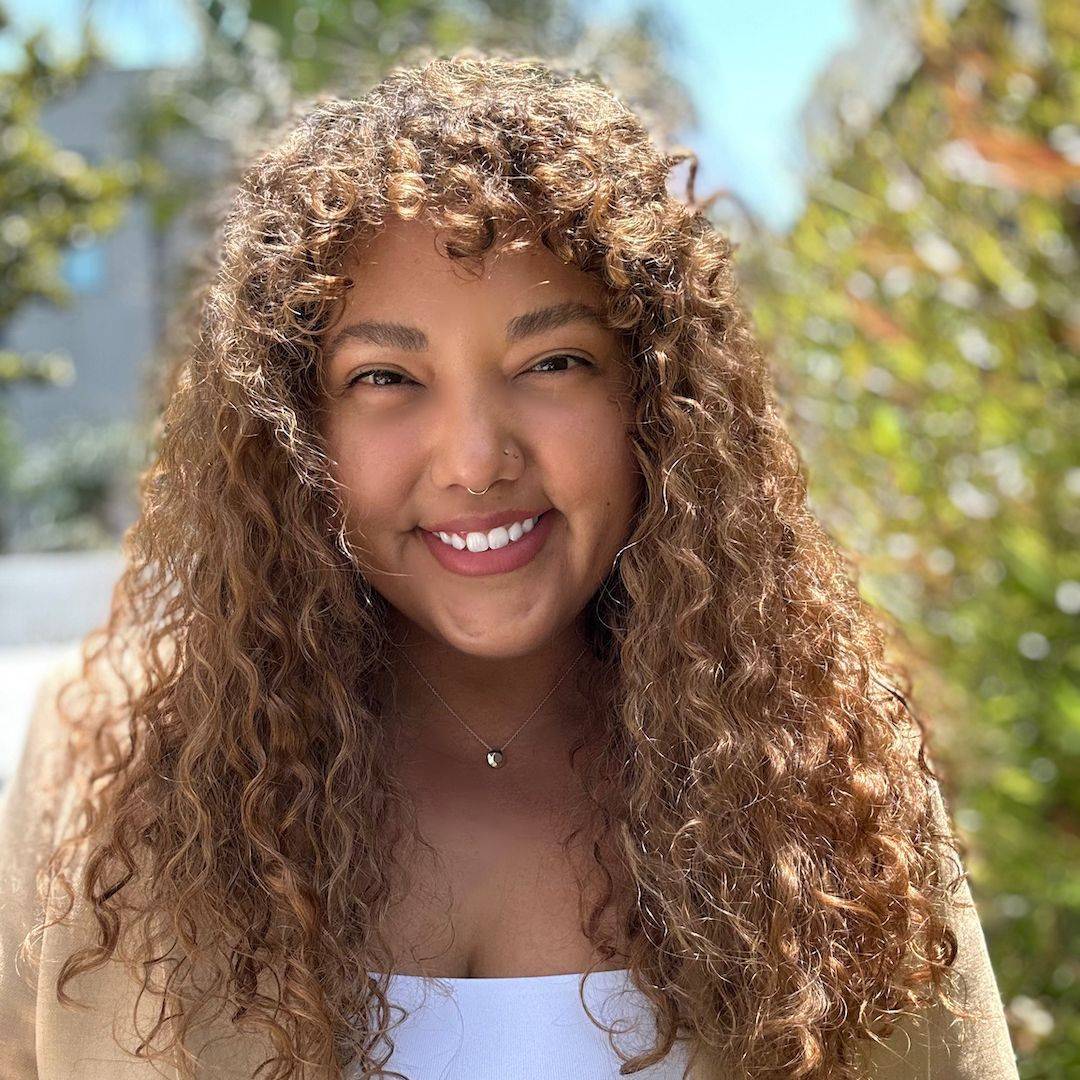
Vanessa Blackstone, MSW
Founder, Pain Psychology Centre UK
- Day 1: How The Nervous System Influences Pain
- Day 2: Restore Safety With Symptoms: Pain Reprocessing Therapy (PRT) + Guided Practice: Rewiring Pain Patterns in Real Time
Website | Facebook | Instagram | Substack | LinkedIn | Email
More about Vanessa Blackstone, MSW
Vanessa Blackstone, MSW, ACSW, citizen of the Eastern Band of Cherokee Indians, is the Founder and Executive Director of Pain Psychology Centre UK, a Board Member of the Association for the Treatment of Neuroplastic Symptoms (ATNS), and co-author of The Pain Reprocessing Therapy Workbook. Vanessa specializes in Pain Reprocessing Therapy (PRT), neuroplastic symptoms, and helping people understand the role of the brain and nervous system in chronic pain and persistent physical symptoms.
Her work is informed by both professional expertise and lived experience. After years of experiencing chronic migraine, vertigo, IBS, pelvic floor pain, post-concussion symptoms, chronic hives, and other persistent symptoms, she recovered through approaches that helped her understand and change the brain and nervous system processes contributing to her symptoms.
Vanessa spent years building the Pain Psychology Center as its Executive Director, helping grow the clinical home of Pain Reprocessing Therapy. She is now continuing that work as Founder and Executive Director of Pain Psychology Centre UK, expanding access to PRT-informed care, education, and professional collaboration internationally.
Vanessa teaches and speaks internationally on Pain Reprocessing Therapy and neuroplastic symptoms, provides professional training and consultation, and teaches PRT principles to UCLA dental residents treating orofacial pain. She is also the author of the Springer Nature chapter, “Pain Reprocessing Therapy for Migraine Headaches in Women: Achieving Symptom Eradication and Recovery,” published in Psychosocial Interventions for Chronic Pain in Women and Girls.
Her teaching combines neuroscience and research with practical, relatable examples designed to make complex concepts understandable and applicable to everyday life.
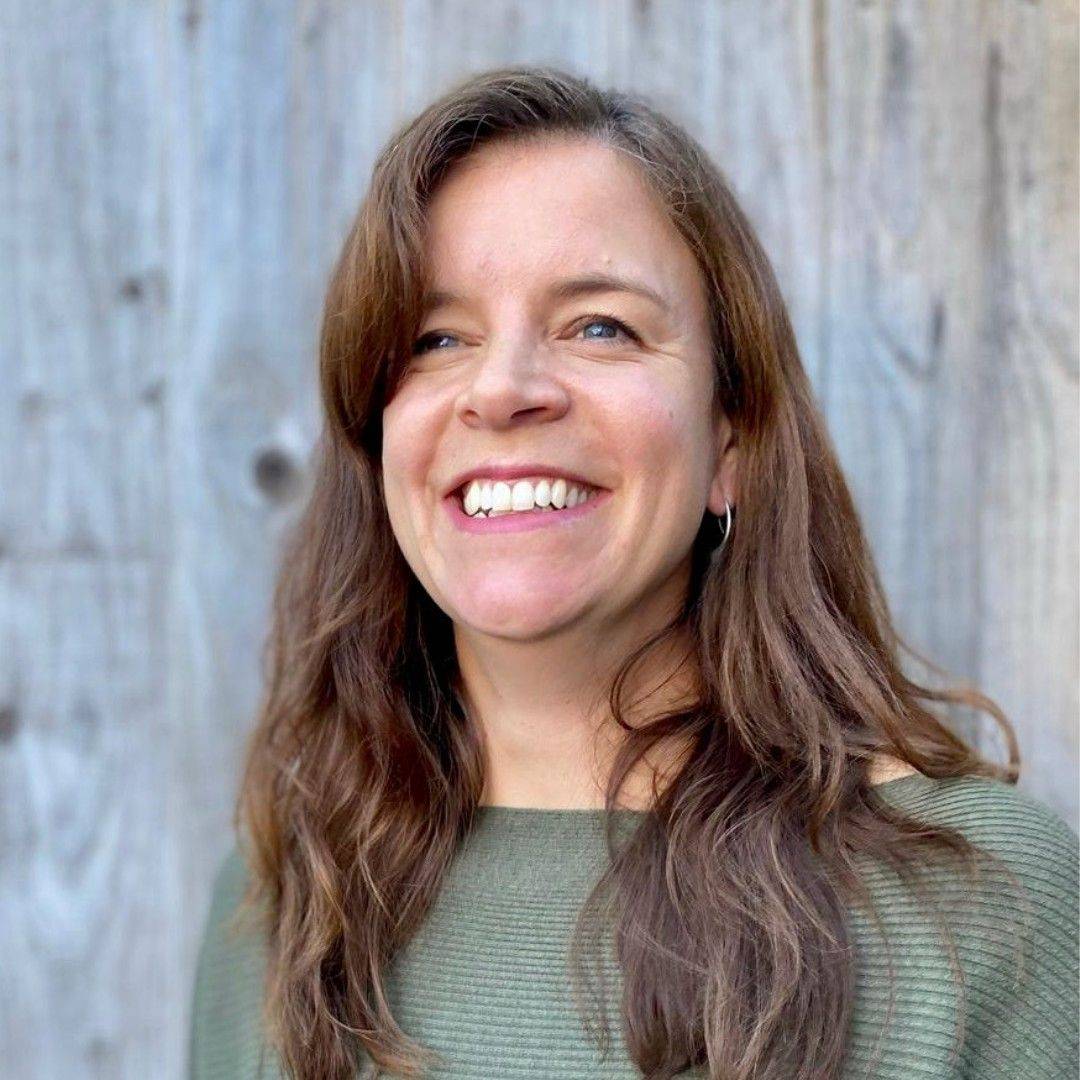
Dr Sarah Hadfield, MBChB, MRCGP
GP & Mind-Body Coach, Mind-Body Healthcare
Day 2: Building Nervous System Capacity and Resilience
More about Dr. Sarah Hadfield
Dr Sarah Hadfield is a GP and has worked in the NHS for over 20 years. She lived in New Zealand for four years, where she completed her GP training and first heard about mind-body medicine in 2006. Since then, the course of her career has been focused on learning as much as she could about this fascinating field and developing the clinical skills necessary for supporting patients in their healing. Alongside her NHS work, Sarah now works with patients with various psycho-physiologic disorders as a mind-body coach through her clinic, Mind-Body Healthcare. She is working with other healthcare professionals in the UK to integrate the mind-body approach into NHS services and is involved in educating doctors about mind-body medicine.
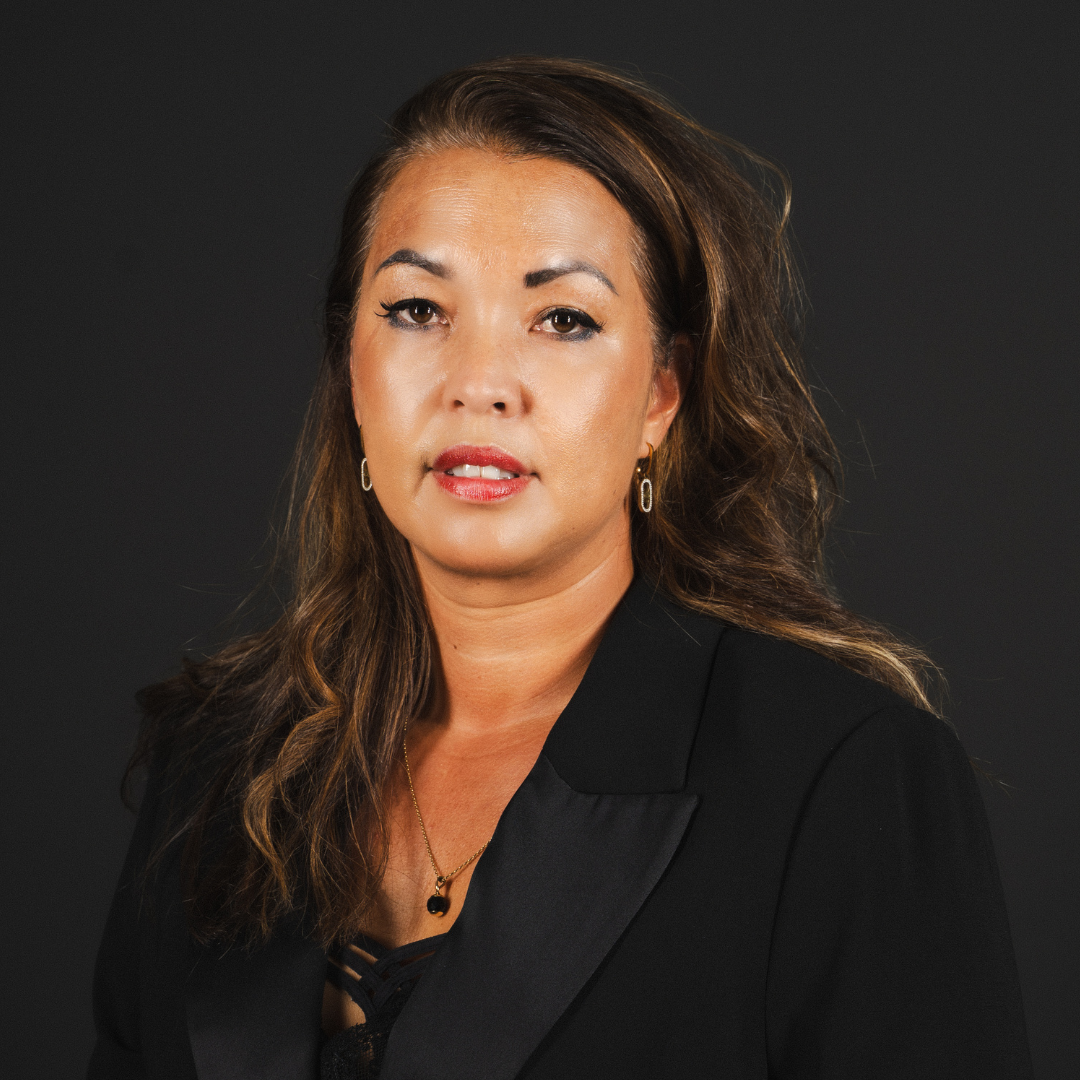
Lian Tjon Soei Len, MD 
Anesthesiologist & Pain Specialist | Lifestyle & Integrative Medicine Physician | Medical Leader Health & Lifestyle
- Day 1: Understanding The Mindbody Connection
More about Lian Tjon Soei Len, MD
Lian Tjon Soei Len, MD is an anesthesiologist, pain specialist, lifestyle and integrative medicine physician, and Medical Leader Health & Lifestyle at DC Klinieken in the Netherlands. For more than two decades, she has worked with people living with persistent pain. Her work focuses on the interaction between the nervous system, lifestyle, stress, emotions, and the mind-body connection in chronic pain. She has a particular interest in neuroplastic pain and translating scientific insights into practical approaches for patients and healthcare professionals.
Lian completed postgraduate training in Lifestyle & Integrative Medicine, leadership at INSEAD, and Transition Management at the Dutch Research Institute for Transitions (DRIFT). In 2023, she received the Lifestyle Professional of the Year award from the Dutch Association of Lifestyle Medicine (Arts & Leefstijl). Alongside her clinical work, she teaches at several educational institutions, speaks at conferences, and advises healthcare organisations on integrating lifestyle medicine into specialist care.
Her recent work extends beyond the individual patient to the broader transformation of healthcare. Through the concept of Transition Pain, she explores the challenges of moving from a disease-focused model of care toward a more integrated, health-oriented approach for patients, professionals, and healthcare systems alike.
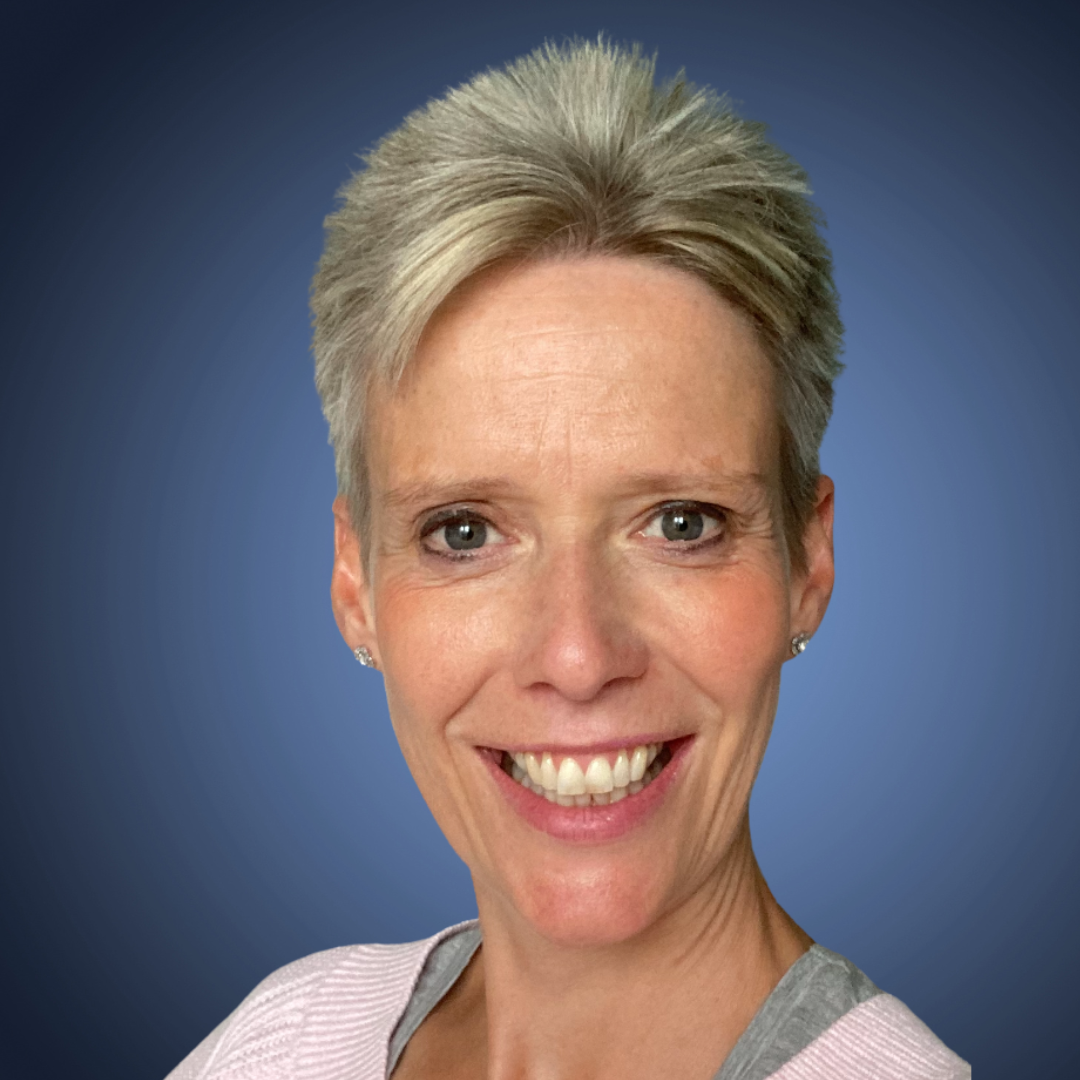
Dr Barbara Phipps,
BMedSci (hons), BM, BS, MRCGP
Pain Specialty Doctor
- Day 1: Understanding The Different Types of Pain + Rule Out Underlying Structural or Disease Cause
More about Dr Barbara Phipps
Barbara has over 25 years of experience working as a doctor in the UK NHS. After spending most of her career as a General Practitioner, she now works exclusively with people who experience long-term pain.
In 2019, Barbara developed a collaborative NHS and third-sector group programme for people living with chronic pain in Edinburgh. She continues to lead this programme alongside colleagues from Health All Round, a community health charity. She also works clinically within the NHS Borders Chronic Pain Service.
Alongside her clinical work, Barbara teaches within undergraduate and postgraduate medicine at The University of Edinburgh. She is a Fellow of the British Society of Lifestyle Medicine.
In 2023, alongside colleagues from Living Proof, she hosted a one-night-only show at the Edinburgh Festival Fringe entitled Stories of Hope and Recovery from Chronic Pain. The team hopes to do another set of bigger shows at the Fringe Festival in 2027.
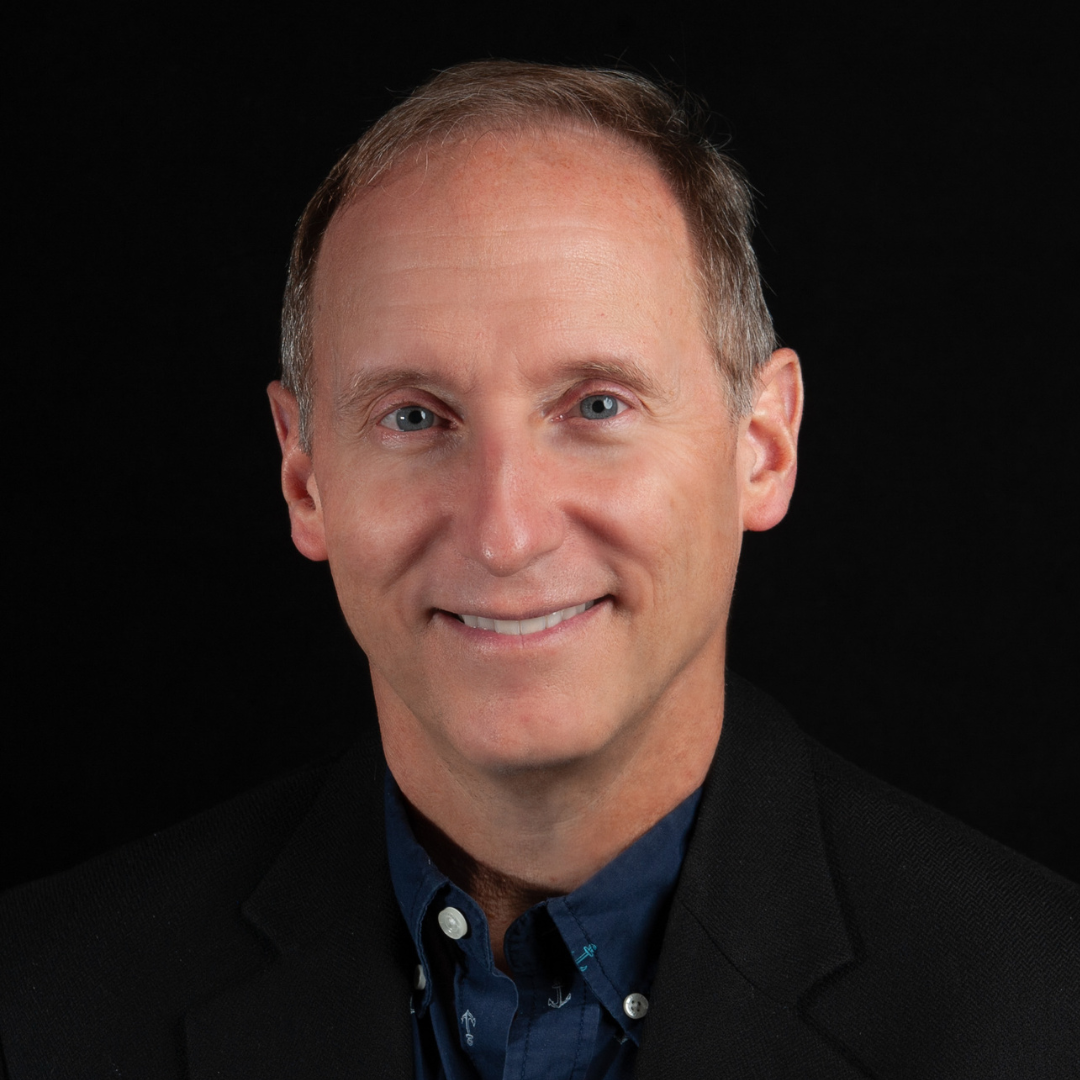
Mark A. Lumley, Ph.D.
Distinguished Professor, Department of Psychology, Wayne State University
- Day 2: Restore Safety With Emotions: Emotional Awareness & Expression Therapy (EAET) + Guided Practice
More about Mark A. Lumley, Ph.D.
Dr. Mark A. Lumley, Ph.D. is a clinical psychologist and Distinguished Professor in the Department of Psychology at Wayne State University in Detroit, Michigan, USA. He is recognized as one of the world’s leading researchers on the role of psychosocial stress and emotional processes in chronic pain conditions and in the development and testing of psychological interventions targeting these processes to reduce or eliminate pain. For example, he has studied the health benefits of expressive writing or emotional disclosure about stressful experiences. He is part of several teams researching Pain Reprocessing Therapy. Along with his colleague, Dr. Howard Schubiner, he developed and has demonstrated in many clinical trials the benefits of Emotional Awareness and Expression Therapy (EAET) for people with chronic pain. He has been continuously funded by the National Institutes of Health and has published over 225 scientific articles. Dr. Lumley is on the editorial boards of numerous scientific journals and is a Fellow of several professional societies. He is the President-Elect of the nation-wide Society for Health Psychology (American Psychological Association Division 38) and will be President of that organization in 2027-2028. Dr. Lumley loves mentoring and training. He has personally mentored nearly 50 psychologists to their PhDs, and along with Dr. Schubiner trains professionals in EAET and is publishing a book for practitioners on this therapy. On a personal note, he is the father of four adult sons and grandfather of two grandsons.
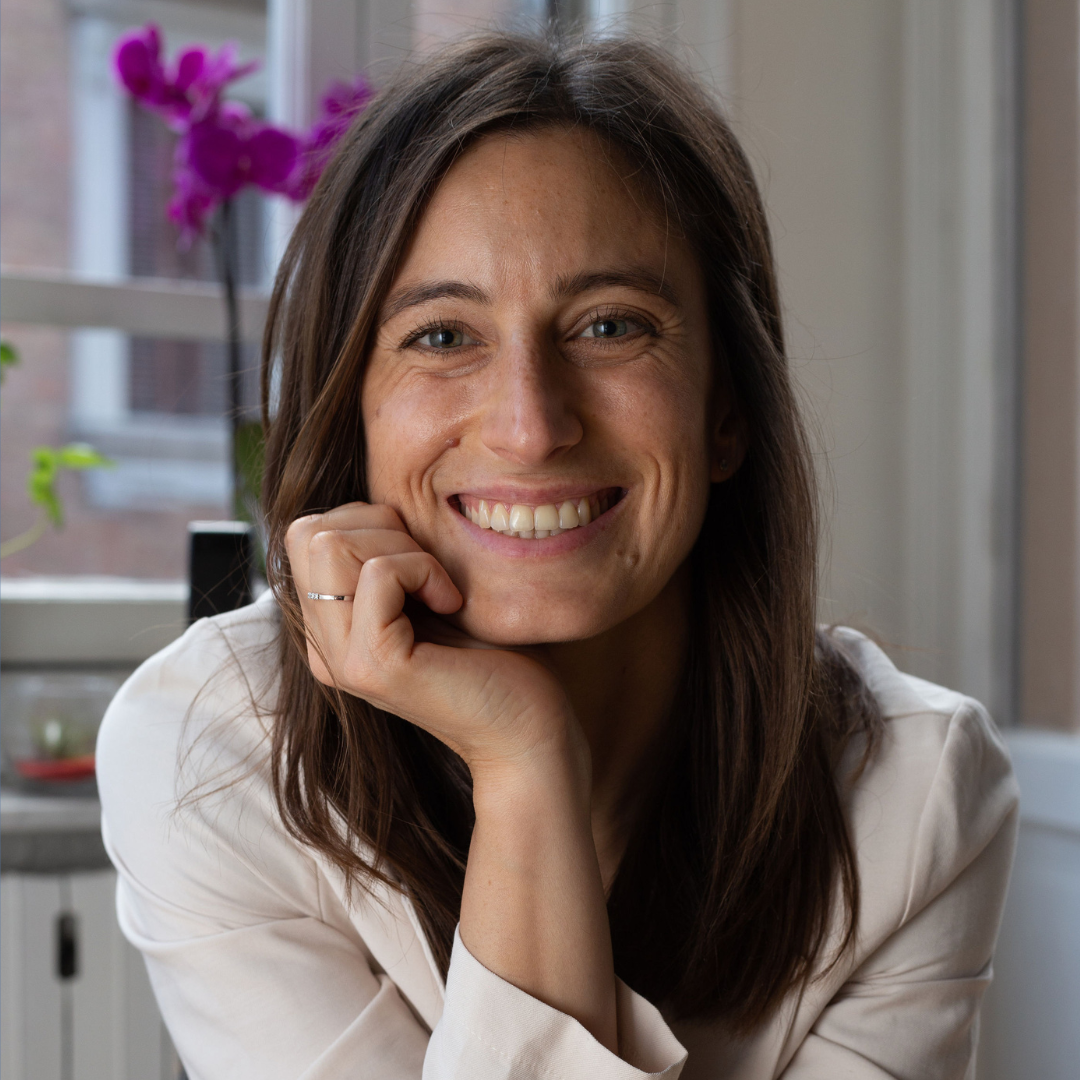
Eleonora Camerone, PhD 
Researcher and Psychologist
- Day 1: How Expectations & Beliefs Influence Pain and Healing
More about Eleonora Camerone, PhD
Eleonora Camerone, PhD, is a researcher and psychologist specialising in chronic pain. As a researcher, Dr. Camerone studies pain perception, bridging experimental and clinical chronic pain research. She investigates the role of expectations, learning, and emotions in the transition from acute to chronic pain and in the maintenance of chronic pain, across a variety of pain models, from pain artificially elicited in healthy individuals to patients with neuropathic pain and other conditions such as fibromyalgia.
As a clinician, she is completing her clinical psychology training and is a certified Pain Reprocessing Therapy practitioner. Since 2023, she has worked with individuals experiencing persistent pain, both in private practice and in the public sector.
Dr. Camerone has authored more than 20 peer-reviewed publications and a book chapter, and has trained clinicians through workshops on evidence-based approaches to chronic pain treatment. Originally from Italy, Dr. Camerone has lived and trained between Italy and the United Kingdom. She completed her BSc and MSc in Psychology in the UK, her PhD in Italy, and later returned to the UK for postdoctoral research.
Outside of her professional work, she enjoys yoga, reading, and spending time in nature, from mountains to the sea.
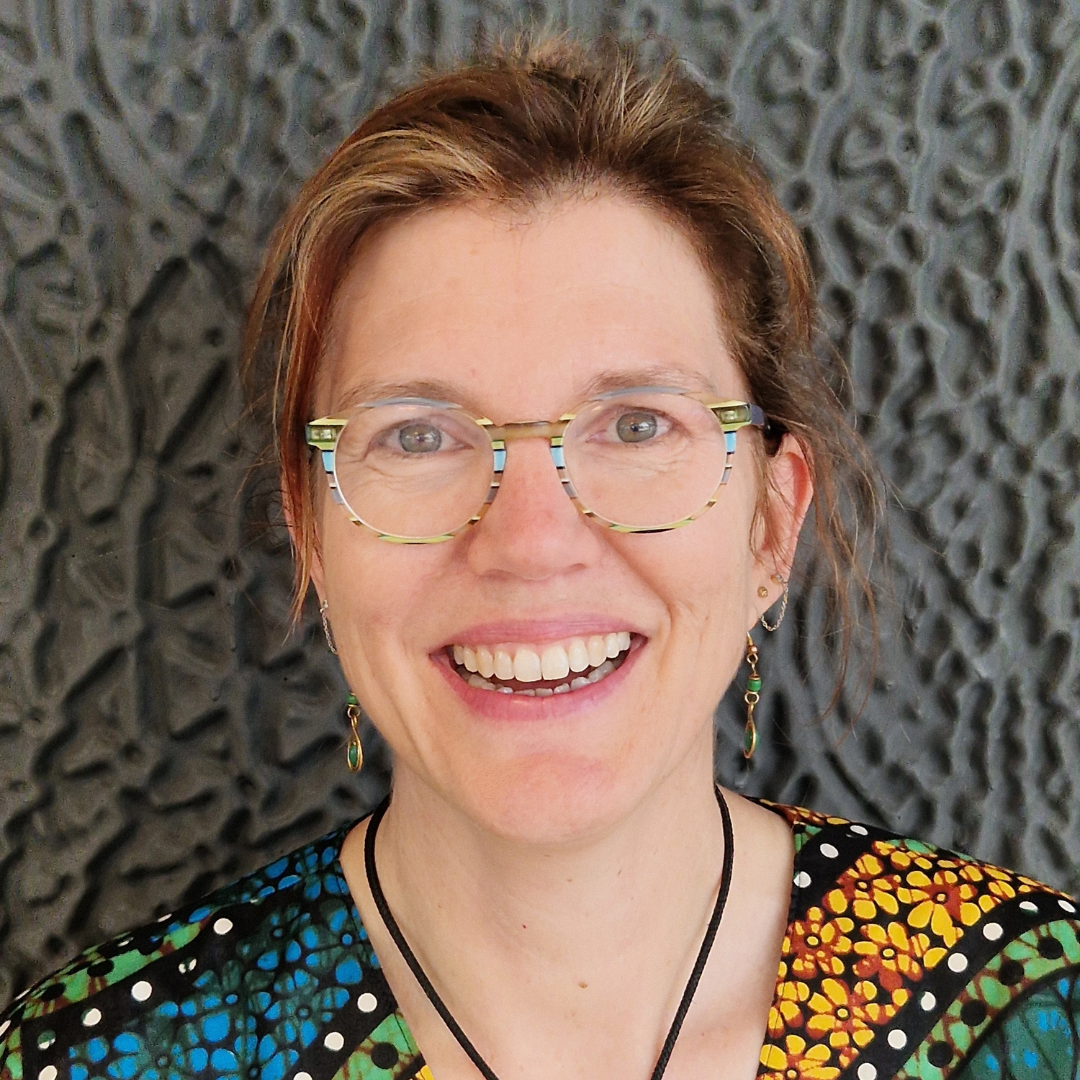
Christine Deurman, MD, PhD
Public health physician & researcher
- Day 1: How Pain Is Created & Learned
More about Christine Deurman, MD, PhD
I am a Dutch public health physician with additional training in Tropical and Infectious Diseases from the Liverpool School of Tropical Medicine. Having spent several years working across East and Southern Africa, I developed a strong interest in the complex interaction between physical health, behaviour and environment.
On returning to the Netherlands, I worked as a medical advisor, where I became fascinated by patients who recovered from chronic pain and other persistent physical symptoms by addressing not only the physical dimensions of their condition, but also its emotional and psychological aspects. I wanted to understand how that recovery was possible, which led me to explore the role of the nervous system and dive into the neuroscientific foundation of symptom perception and generation.
Together with colleagues, I co-founded a working group within the Dutch Association of Lifestyle Medicine (Arts en Leefstijl). Drawing on modern neuroscience, we explored how the nervous system can contribute to the persistence, and recovery, of chronic symptoms, including chronic pain.
Today, I am a PhD researcher at Leiden University Medical Centre (LUMC), investigating recovery stories of individuals with persistent physical symptoms, including chronic pain. I also teach healthcare professionals about the role of the brain and nervous system in chronic symptoms and pain, translating emerging scientific insights into clinical practice.
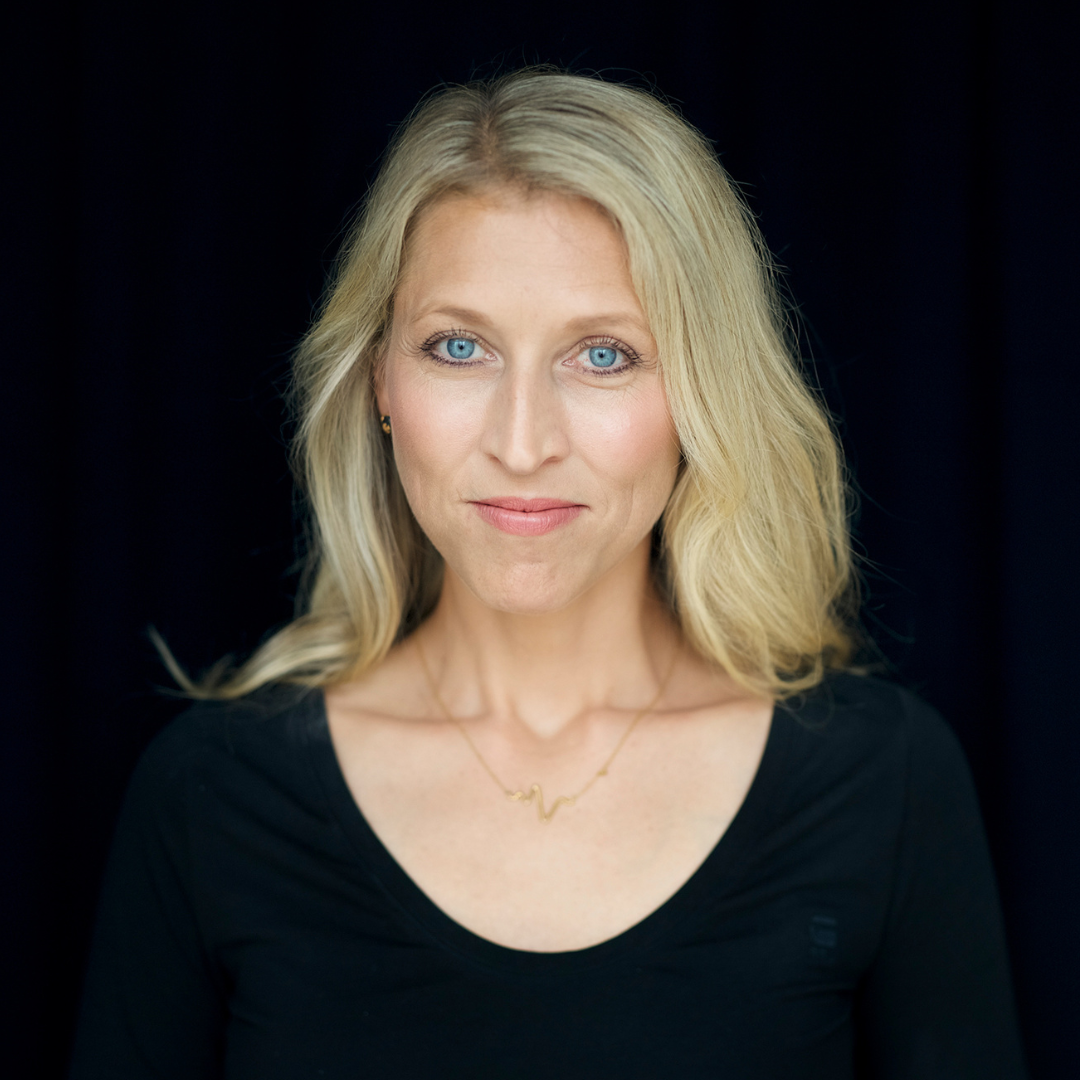
Silje Endresen Reme, PhD
Professor of health psychology at University of Oslo & Pain psychologist at Oslo University Hospital
- Day 1: Neuroplasticity: The Brain’s Ability To Change Makes Healing Possible
Website | Facebook | Instagram | LinkedIn | Email
More about Silje Endresen Reme, PhD
Silje Endresen Reme, PhD, is Professor of Health Psychology at the University of Oslo and a Clinical Pain Psychologist at Oslo University Hospital. She leads the Mind-Body Lab Oslo, where her research explores how the brain and body interact in the development, persistence, and recovery from chronic pain, fatigue, and other persistent physical symptoms.
A central focus of Dr. Reme’s work is understanding how learning, expectations, perceived threat, and brain–body processes can contribute to persistent symptoms – and how these same mechanisms can be harnessed to promote recovery. Her research spans chronic primary pain, Long Covid and chronic fatigue, prevention of chronic post-surgical pain, stress-related conditions, and work disability.
Dr. Reme has led and contributed to numerous randomized clinical trials investigating psychological and mind-body interventions. More recently, her work has focused particularly on Pain Reprocessing Therapy (PRT) and related approaches that aim to help the brain reinterpret persistent symptoms as safe rather than threatening. She currently leads research examining how these principles can be applied across chronic pain, fatigue, and Long Covid.
She also brought PRT to a broad Norwegian audience through the television documentary series Harald og Sytepavene, in which she treated people with longstanding chronic pain using PRT. The series followed their treatment and recovery journeys and helped spark a wider public conversation in Norway about the role of the brain in chronic pain and the possibility of recovery.
Dr. Reme completed her PhD at the University of Bergen and subsequently held a postdoctoral fellowship at Harvard University. Across her clinical work, research, teaching, and public engagement, she is particularly interested in bridging rigorous science with a hopeful clinical message: persistent symptoms are real, but for many people they may also be reversible.
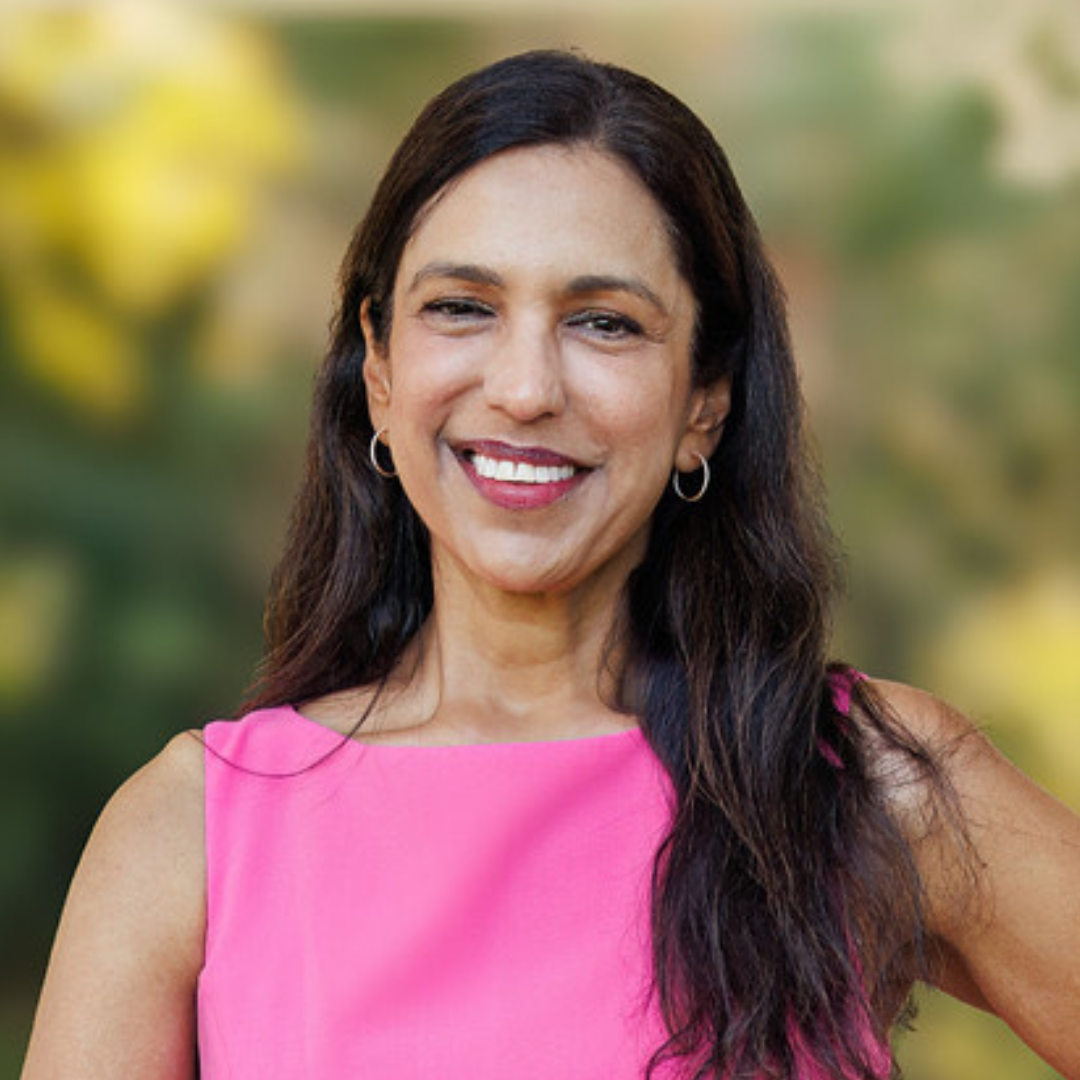
Rita Gupta, MD
Physician and Chronic Symptom Recovery Coach
- Day 2: Why Women Experience More Chronic Pain
Website | Instagram | YouTube | Email
More about Rita Gupta, MD
Dr. Rita Gupta is a board-certified physician, mind-body medicine expert, and mindfulness teacher whose work bridges modern neuroscience, integrative medicine, and the human experience of healing. She specializes in helping people understand and recover from chronic pain and persistent physical symptoms through an approach that recognizes the complex relationship between the brain, body, emotions, and lived experience.
Dr. Gupta completed her residency training at Mayo Clinic and is board-certified in Family Medicine and Integrative Medicine. She completed fellowship training through the Andrew Weil Center for Integrative Medicine and has advanced training in Pain Reprocessing Therapy, Emotional Awareness and Expression Therapy, and other evidence-based approaches for neuroplastic pain and symptoms. She is also a certified mindfulness and meditation teacher and integrates compassion-based practices into her clinical and educational work.
With nearly two decades of family medicine practice and hospital experience, Dr. Gupta now focuses on why symptoms can persist even when traditional medical approaches don’t provide clear answers or lasting relief. Her work integrates neuroscience, mind-body medicine, emotional awareness, mindfulness, and nervous system regulation to help people move beyond fear of their symptoms and develop greater trust in themselves and their bodies.
Dr. Gupta is a speaker, educator, and advocate for a more compassionate and scientifically informed understanding of chronic pain and persistent symptoms. At the heart of her work is the belief that healing helps people reconnect with themselves, reclaim their lives, and rediscover possibility.
Get to know the Recovery Panel
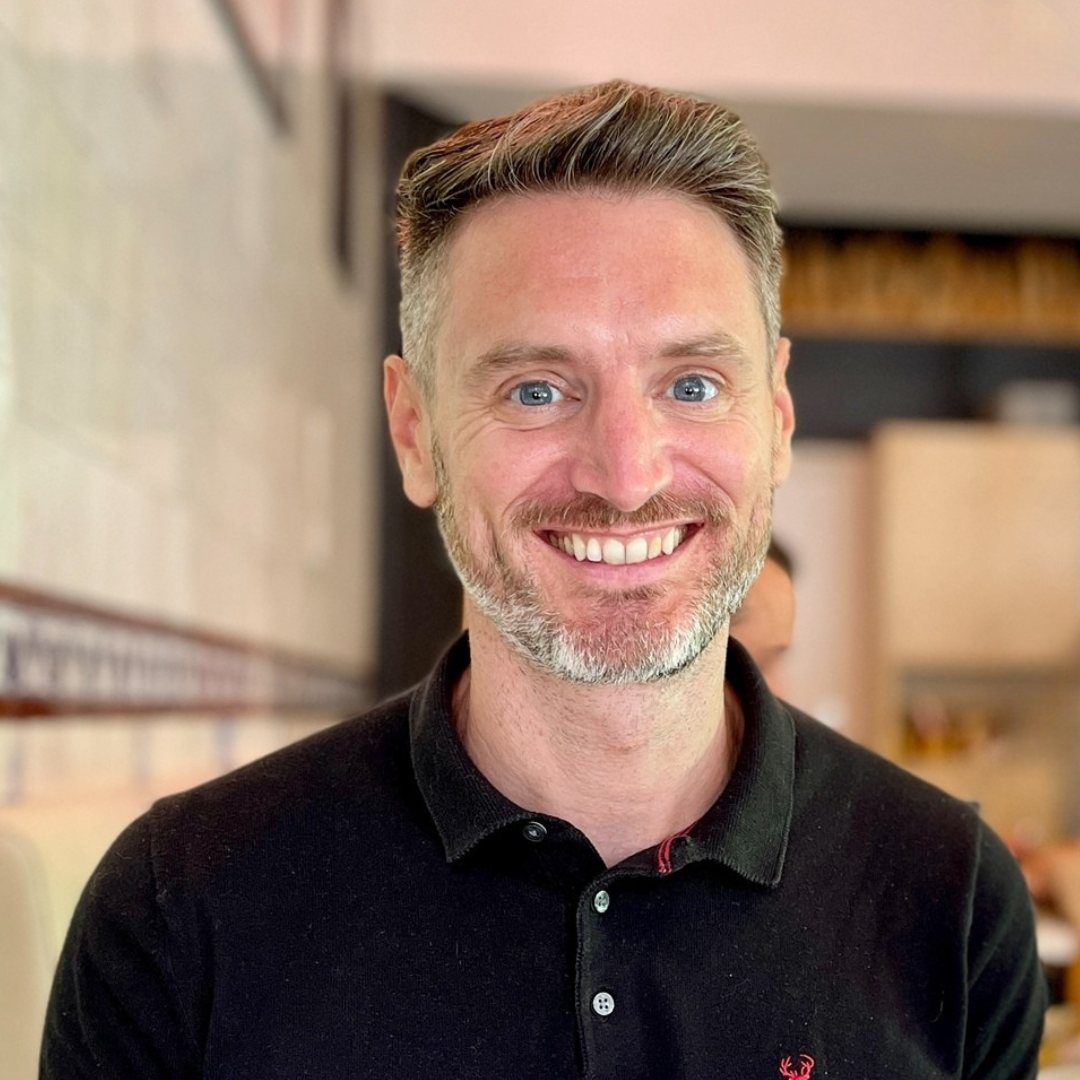
Jean Itier 
Mind Body Therapist
- Day 1: The Path to Recovery: 5 People Share Their Healing Journey (Panel Discussion)
- Day 2: Recovery Panel (Part 2): What Healing Actually Looked Like (Panel Discussion)
Website | Instagram | Substack | YouTube | LinkedIn | Email
More about Jean Itier
Jean Itier is a chronic pain therapist and the founder of Yc Thérapies, working bilingually in English and French with people whose pain has outlasted every scan, referral and explanation they have been given. He knows that territory from the inside. For two years, back, neck and sciatic pain ran his life. He worked his way through doctors, physiotherapists, osteopaths, chiropractors and Ayurveda, convinced that a physical problem must have a physical solution. The pain only got worse.
What he could not see at the time was the context. He had moved from France to Scotland, leaving behind his business and his community. His marriage had ended. He had grown up in a household that taught him to stay permanently on alert. His body was not broken. His nervous system was doing precisely what it had learned to do. Reading Alan Gordon's The Way Out changed the question he was asking. Pain Reprocessing Therapy gave him a framework that finally fitted, and recovery followed.
He now hikes, swims and practises yoga, all things he had quietly written off. He trained so that he could offer others the route he had found. Jean is a certified Pain Reprocessing Therapist, has completed SIRPA Level 3 Practitioner Training, and holds a Hypnotherapy Practitioner Diploma accredited by the National Council for Hypnotherapy. He is also a yoga therapist.
Before moving into private practice he worked as a community link worker based in a GP surgery, which gave him a close view of where conventional care meets persistent pain, and where it misses. Much of his current work is about access, bringing evidence-based mind-body approaches to French-speaking audiences where almost none of this material exists in translation. He writes on Substack and teaches through his YouTube channel, Mind Body Wisdom. He lives on the Scottish coast and works online with clients internationally.
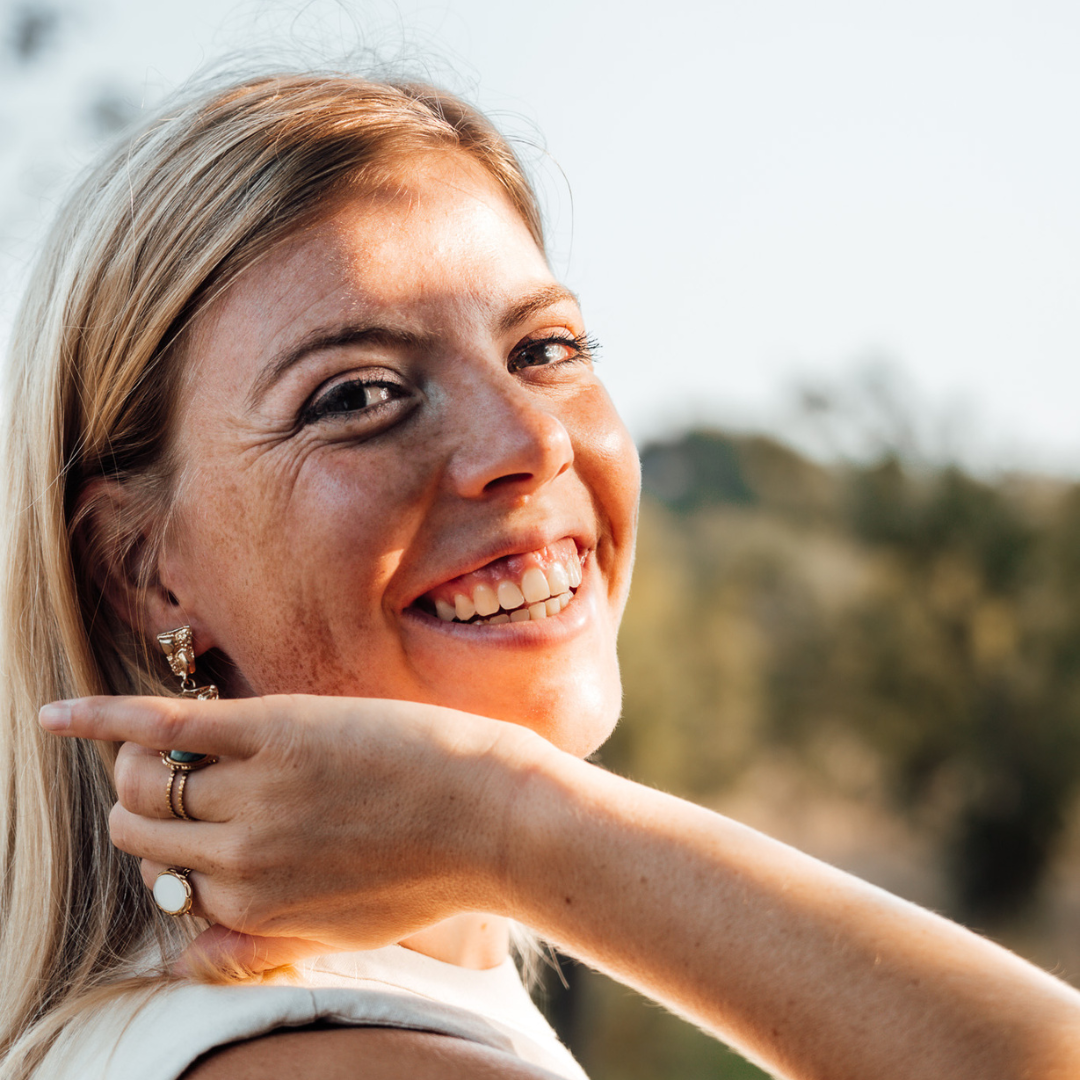
Michelle Kraaij
Behavioral Scientist | Mind-Body Therapist, Route to Recovery
- Day 1: The Path to Recovery: 5 People Share Their Healing Journey (Panel Discussion)
- Day 2: Recovery Panel (Part 2): What Healing Actually Looked Like (Panel Discussion)
Website | Facebook | Instagram | YouTube | Podcast | LinkedIn | Email
More about Michelle Kraaij
Michelle Kraaij is a Behavioral Scientist and Mind-Body Therapist from the Netherlands. After recovering from 15 years of chronic pain, she helps people recover from chronic symptoms and build a meaningful life through neuroscience, emotional processing, and a body-based approach.
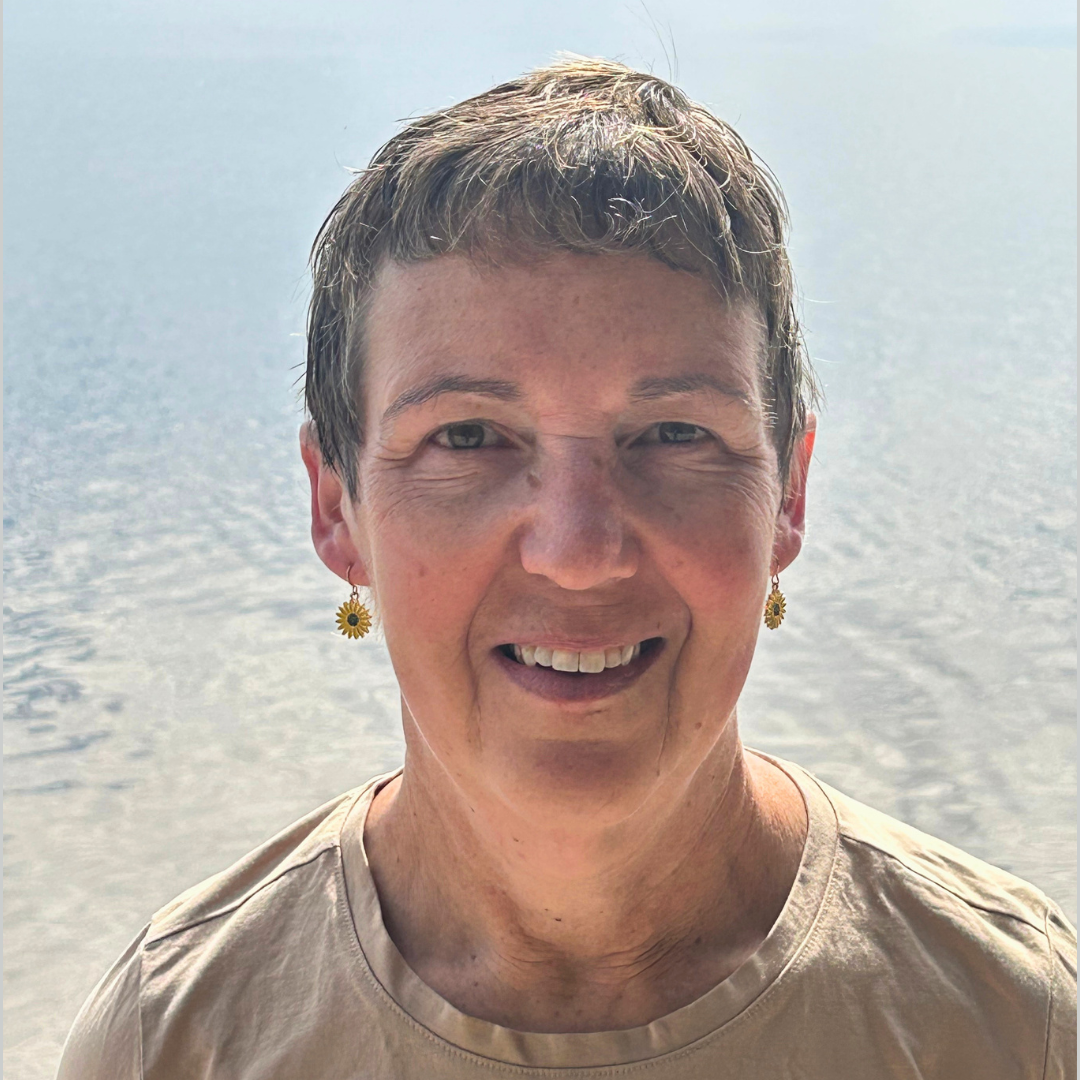
Jayne Plante 
Recovery Panelist
- Day 1: The Path to Recovery: 5 People Share Their Healing Journey (Panel Discussion)
- Day 2: Recovery Panel (Part 2): What Healing Actually Looked Like (Panel Discussion)
More about Jayne Plante
Jayne Plante is a layperson whose quality of life was greatly impacted by a lifetime of chronic pain and other symptoms. At age 58, she stumbled across the concept of neuroplasticity, and with the guidance of a mind-body therapist, she now lives a transformed life. Her days are spent enjoying life to the fullest, including continuing to spread awareness of mind-body modalities so others can find recovery as well.
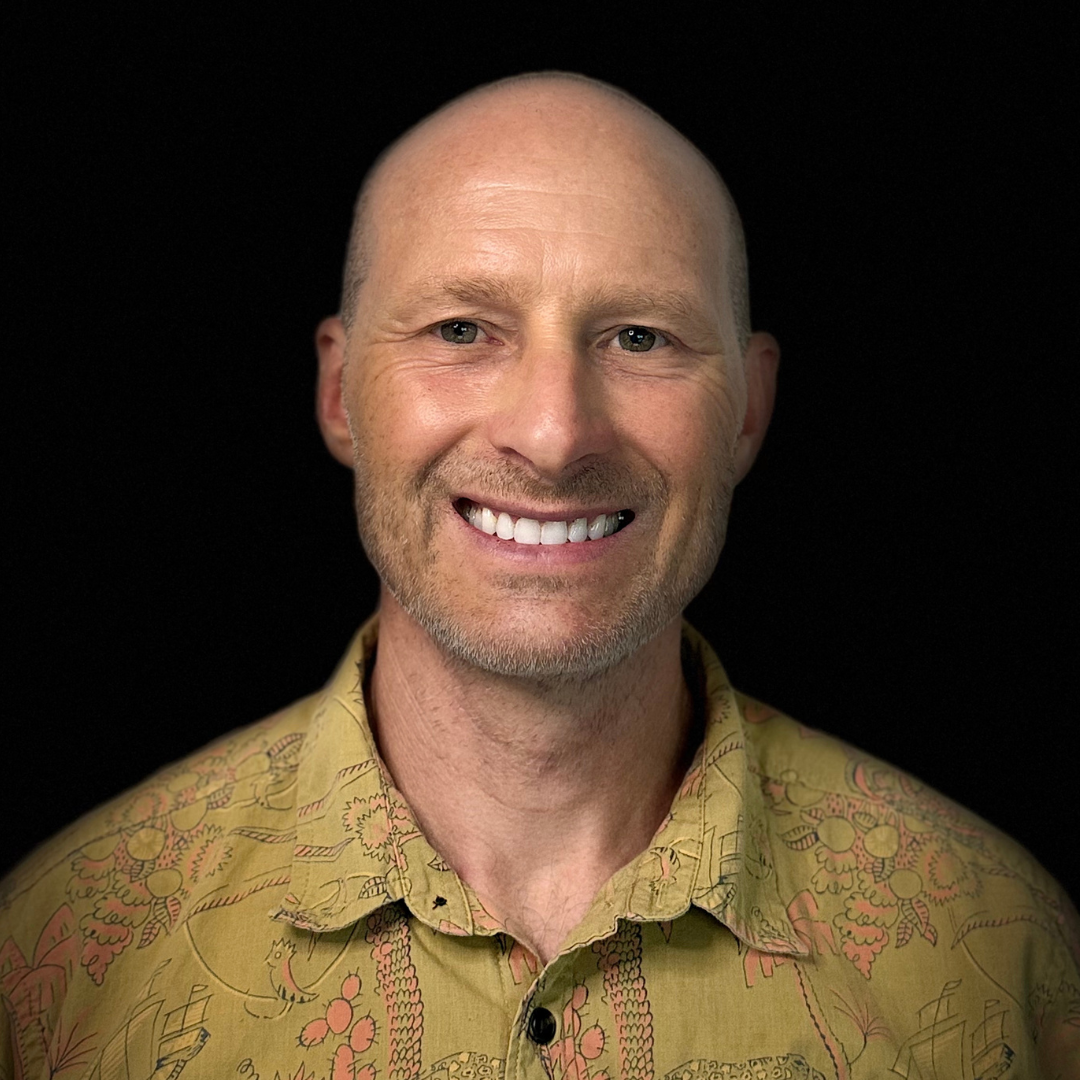
Jim Prussack, MPT MMT
Licensed Physical Therapist, The Pain PT
- Day 1: The Path to Recovery: 5 People Share Their Healing Journey (Panel Discussion)
- Day 2: Recovery Panel (Part 2): What Healing Actually Looked Like (Panel Discussion)
Website | Facebook | Instagram | YouTube | Email
More about Jim Prussack, MPT MMT
Jim Prussack is a licensed physical therapist who coaches patients with a wide variety of neuroplastic symptoms through his private practice The Pain PT. Jim initially became interested in working with neuroplastic symptoms in 2002 after doing a post-graduate training in Australia, learning about chronic pain. Jim has gone on since then to do many trainings as the field has evolved and now exclusively treats neuroplastic symptoms. Jim has also overcome his own various neuroplastic symptoms at different times in life, bringing a personal level to his work.
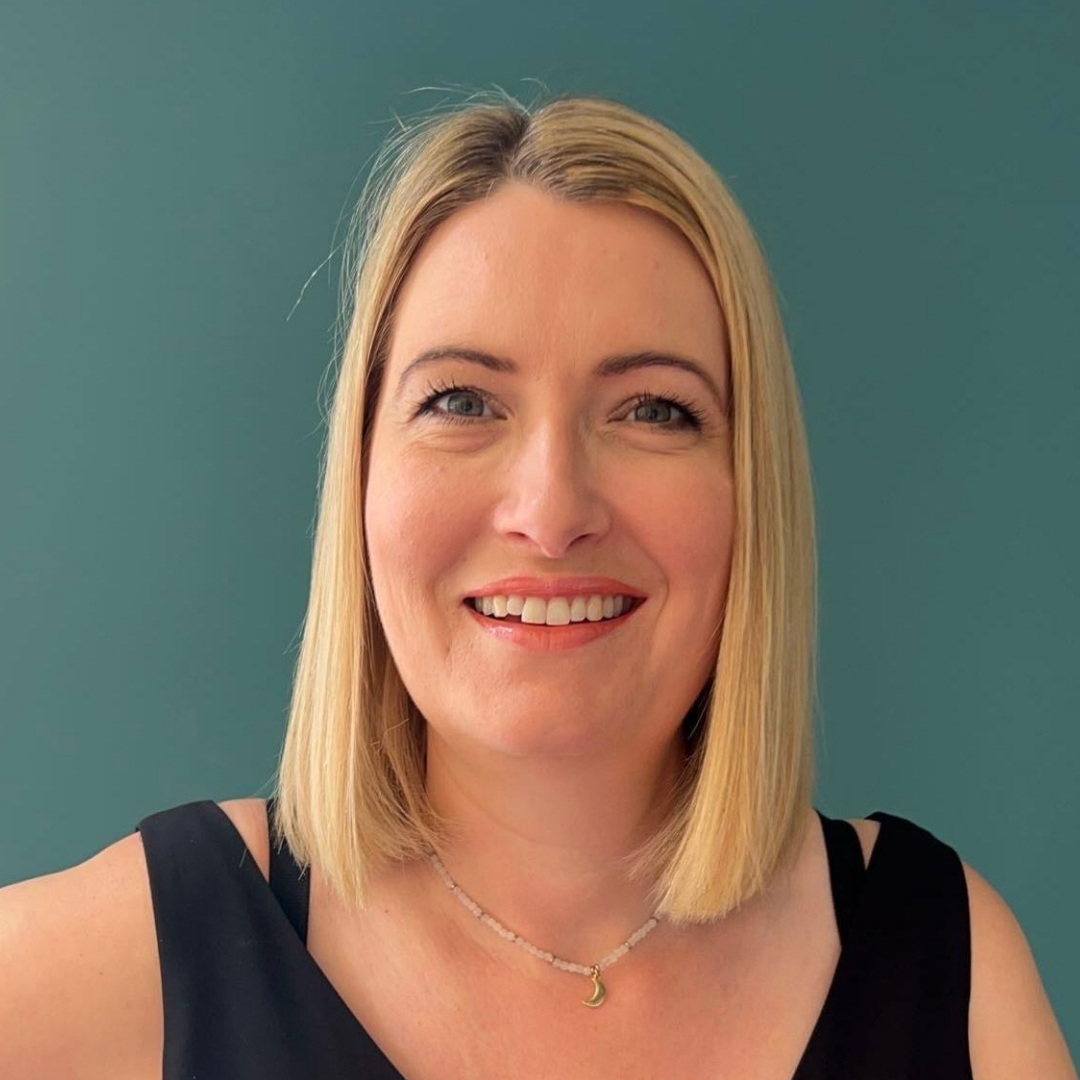
Sally Tether
Recovery Panelist
- Day 1: The Path to Recovery: 5 People Share Their Healing Journey (Panel Discussion)
- Day 2: Recovery Panel (Part 2): What Healing Actually Looked Like (Panel Discussion
More about Sally Tether
Sally is a 48-year-old mum of two adult daughters. She suffered with headaches as a child, then developed migraines and lived with chronic migraine for over 25 years. After exhausting every medical treatment available and reaching rock bottom, she came across the Curable app while scrolling on social media. That led her to discover Nicole Sachs’ work, and she dived in. She no longer lives with chronic migraine and is now living a fulfilling life. Sally is currently training to become a coach because she wants to spread the word and help people free themselves from chronic pain and chronic conditions.
Get to know the Mindful Check-In Lead
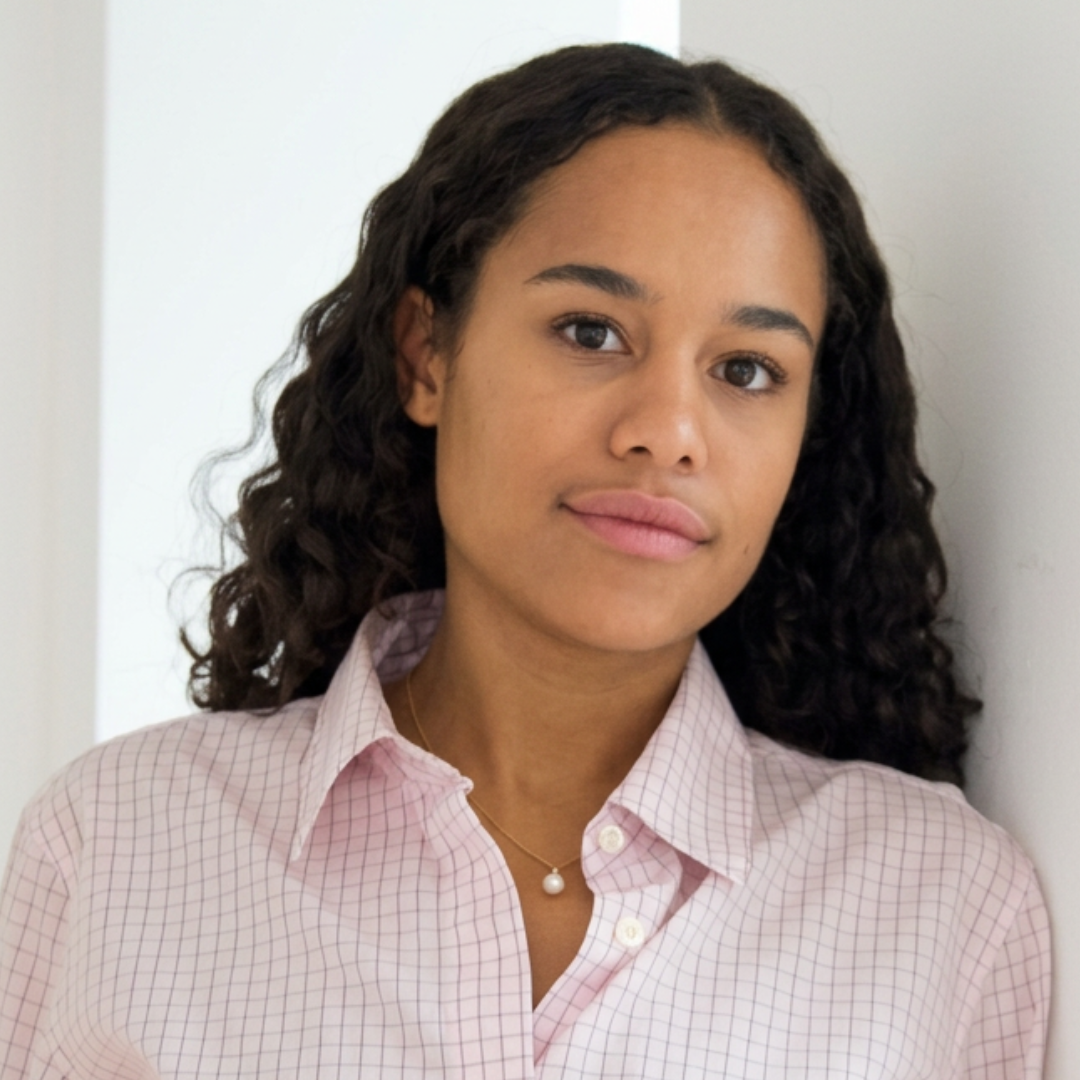
Alex McQueen, MA
Founder, SOLV by Alex McQueen and Intake Coordinator, Pain Psychology Centre UK
- Day 1 + 2: Mindful Moment Check-Ins
Website | Instagram | LinkedIn | Recovery Story
More about Alex McQueen, MA
Alex is a neuroplastic recovery coach and intake coordinator at the Pain Psychology Centre UK. With an MA in Medical Humanities & History and certifications in yoga and meditation teaching, she brings a holistic, compassionate, and scientifically informed style to her work, endlessly curious about the body, the brain, and the stories we tell about illness and healing. Alex is trained in Pain Reprocessing Therapy (PRT), Freedom From Chronic Pain (FFCP), and the Sarno x Sachs Solution (SxS).
Her own recovery from several decade-long chronic symptoms, including pelvic pain, foot pain, neck pain, jaw pain, anxiety, and IBS, deepened her passion and strengthened her belief that chronic pain does not have to be a life sentence. It has become her purpose to compassionately help people resolve their chronic symptoms, improve overall wellbeing and cultivate a deeper connection with themselves.
Alex divides her time between Amsterdam and London. She enjoys history, art, yoga, hiking, and dogs.
Get to know the Co-Hosts

Sarah Howarth
Co-director, Living Proof
Co-Host + Summit Advisory Council Member
Website | Facebook | Instagram | YouTube | LinkedIn | Email
More about Sarah Howarth
Sarah Howarth is Co-Director of Living Proof, a UK-based not-for-profit organisation dedicated to raising awareness of the neuroplastic approach to health and recovery from chronic symptoms. Sarah recovered from severe and debilitating chronic pain, including Interstitial Cystitis, pelvic pain, and low-back pain, using neuroscience-informed, mind-body approaches. She is passionate about helping others discover the science, resources, and support they need to heal. Through Living Proof, she shares hope grounded in neuroscience, empowering people to better understand their symptoms and reclaim their lives.
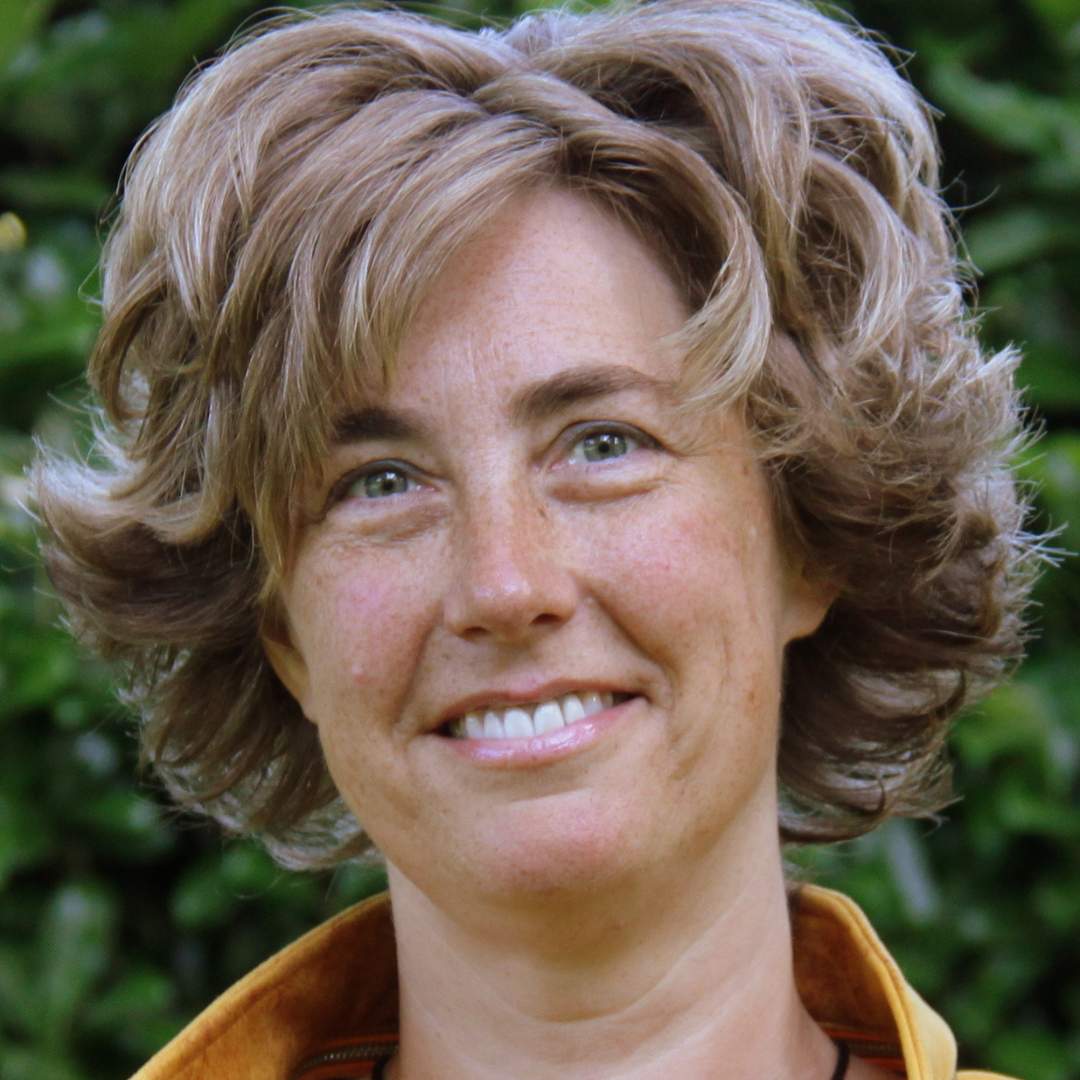
Marjon Oomens, MSc.
Co-founder & Director, the Emovere Foundation
Co-Host + Summit Advisory Council Member
Website | Website | Facebook | Instagram | LinkedIn | LinkedIn (Emovere Foundation) | Email
More about Marjon Oomens, MSc.
Marjon Oomens studied Business Administration at the Erasmus University Rotterdam in the Netherlands and has more than 20 years of experience as an international business manager in multinational companies. Throughout her career, she experienced various chronic pain conditions that conventional medical treatments were unable to resolve. After enduring eight years of daily post-whiplash pain and other persistent symptoms, she made a full recovery within three months through mind-body-emotion work.
This life-changing experience inspired her to leave her corporate career and co-found the Emovere Foundation, where she serves as the Director. The Emovere Foundation promotes emotional awareness and the mind-body connection to provide more options for healing chronic pain and other persistent symptoms, as well as supporting prevention and empowering self-care. As a non-profit organisation, Emovere works with a dedicated network of volunteers and strategic partners.
With tens of thousands of supporters, event participants, and social media followers, the foundation is building a grassroots movement that aims to shift the healthcare paradigm by inspiring, educating, and connecting people. Together, we can create a ripple effect!
Meet Your Host
Karen Ash, ACC 
ICF-Certified Neuroplastic Symptom Recovery Coach | Founder, Migraine Oasis and HealABLE Pathways
- HealABLE Pathways | Facebook | Instagram
- Migraine Oasis | Facebook | Instagram | YouTube | Podcast | Recovery Story | Recovery Story | LinkedIn
Karen Ash, ACC is an ICF-certified Neuroplastic Symptom Recovery Coach (NSRC) and founding member of the ATNS Coaches Advisory Council. After 34 years living with chronic migraine, a 2020 burnout forced a five-month medical leave and introduced her to the mindbody approach to healing. That discovery changed everything. She left her career in pharmaceutical management, went back to school, and became an ICF-certified coach dedicated to helping others heal from neuroplastic pain and symptoms. Karen founded Migraine Oasis, a brand dedicated to the nuances of migraine pain recovery, and hosts the Migraine Oasis Podcast and YouTube channel. She also founded HealABLE Pathways, the event producer behind the Chronic Pain Healing Summit, a global collaboration with the industry’s leading non-profit organizations: ATNS in the US, Living Proof in the UK, and the Stichting Emovere Foundation in the Netherlands. Her coaching is grounded in Pain Neuroscience Education, Pain Reprocessing Therapy (PRT), and Emotional Awareness and Expression Therapy (EAET). She has trained with leaders in mindbody medicine, including Dr. Howard Schubiner, Dr. Mark Lumley, Dr. David Clarke, Dr. Dan Ratner, Nicole Sachs, LCSW, and Alan Gordon, LCSW. Karen works with an international clientele via telehealth from Basel, Switzerland.More about Karen Ash, ACC
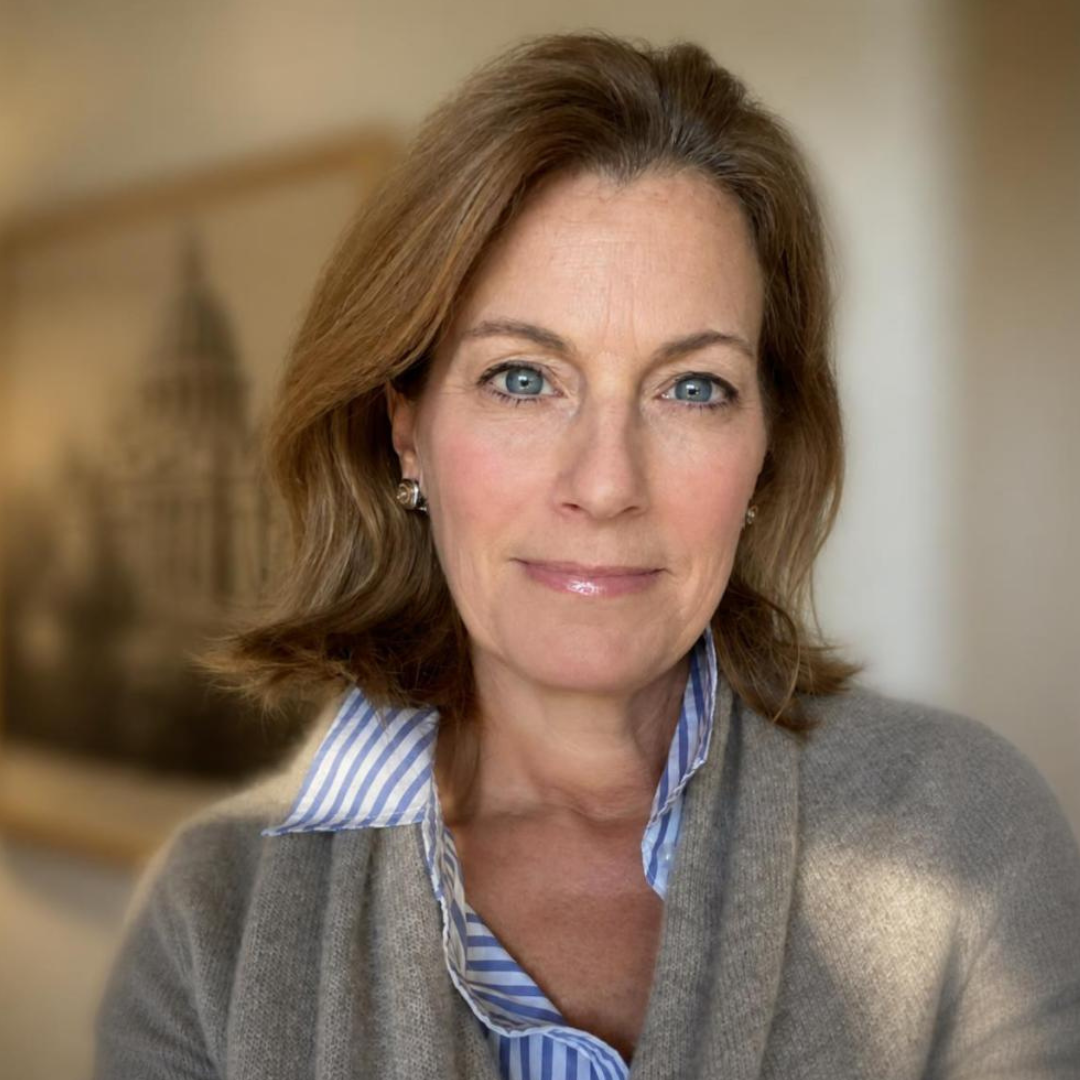
Agenda: Day 1 (Friday, November 13, 2026)
New Understanding of Pain
Section 1: You Are Not Alone
- The Path to Recovery: 5 People Share Their Healing Journey (Panel Discussion: Jean Itier, Michelle Kraaij, Jayne Plante, Jim Prussack, Sally Tether)
- Your Pain Is Real & You Are Not Alone (Howard Schubiner, MD)
Section 2: Could This Healing Approach Support You?
- Understanding The Different Types of Pain (Barbara Phipps, MD)
- Rule Out Underlying Structural or Disease Cause (Barbara Phipps, MD)
- Rule In That Your Pain Could Be Reversible (Howard Schubiner, MD)
Section 3: New Understanding of Pain
- The Evolution of How We Understand Pain
- The Mindbody Connection (Lian Tjon Soei Len, MD)
- How Pain Is Created & Learned (Christine Deurman, MD, MPH)
- How the Nervous System Influences Pain (Vanessa Blackstone, MSW)
Section 4: Power of The Brain
- Pain Is Generated By The Unconscious Brain - Why It Matters (Becca Kennedy, MD)
- Neuroplasticity: The Brain’s Ability To Change Makes Healing Possible (Silje Endresen Reme, PhD)
- How Expectations & Beliefs Influence Pain and Healing (Eleonora Camerone, PhD)
- How Symptoms Become Chronic (Antje Kallweit, MD)
Agenda: Day 2 (Saturday, November 14, 2026)
How Did You Get Here - And How Can You Heal?
Section 5: How the Brain Can Get Stuck in Protection Mode
- How Childhood Experiences Can Shape Pain (David Clarke, MD)
- Why Women Experience More Chronic Pain? (Rita Gupta, MD)
- Your Story: What Your Timeline Might Reveal (Georgie Oldfield, MCSP)
Section 6: The Hidden Drivers of Pain
- How Common Coping Strategies Unknowingly Fuel Pain (Howard Schubiner, MD)
- The Role of Emotions in Pain (Howard Schubiner, MD)
- Other Ways the Brain Can Perceive Danger (Becca Kennedy, MD)
Section 7: How Healing Actually Happens
- Restore Safety With Symptoms: Pain Reprocessing Therapy (PRT) (Vanessa Blackstone, MSW)
- Guided Practice: Rewiring Pain Patterns in Real Time (Vanessa Blackstone, MSW)
- Restore Safety With Emotions: Emotional Awareness & Expression Therapy (EAET) (Mark Lumley, Ph.D)
- Guided Practice: An EAET Technique You Can Use Today (Mark Lumley, Ph.D)
- Building Nervous System Capacity and Resilience (Sarah Hadfield, MD)
- Self-Compassion, Empowerment and Agency in Recovery (Georgie Oldfield, MCSP)
- Recovery Panel Continued: What Healing Actually Looked Like (Panel Discussion: Jean Itier, Michelle Kraaij, Jayne Plante, Jim Prussack, Sally Tether)
Section 8: Resources & Your Next Steps
- Global Support for Your Recovery (Sarah Howarth (Living Proof-UK), Marjon Oomens, MSc. (Emovere Foundation-NL), David Clarke, MD (ATNS-US)
- Your Possible Next Steps & Resources (Karen Ash, ACC)
Created, Produced & Hosted By:
Special Thanks To Our Advisory Council:


Questions? [email protected]