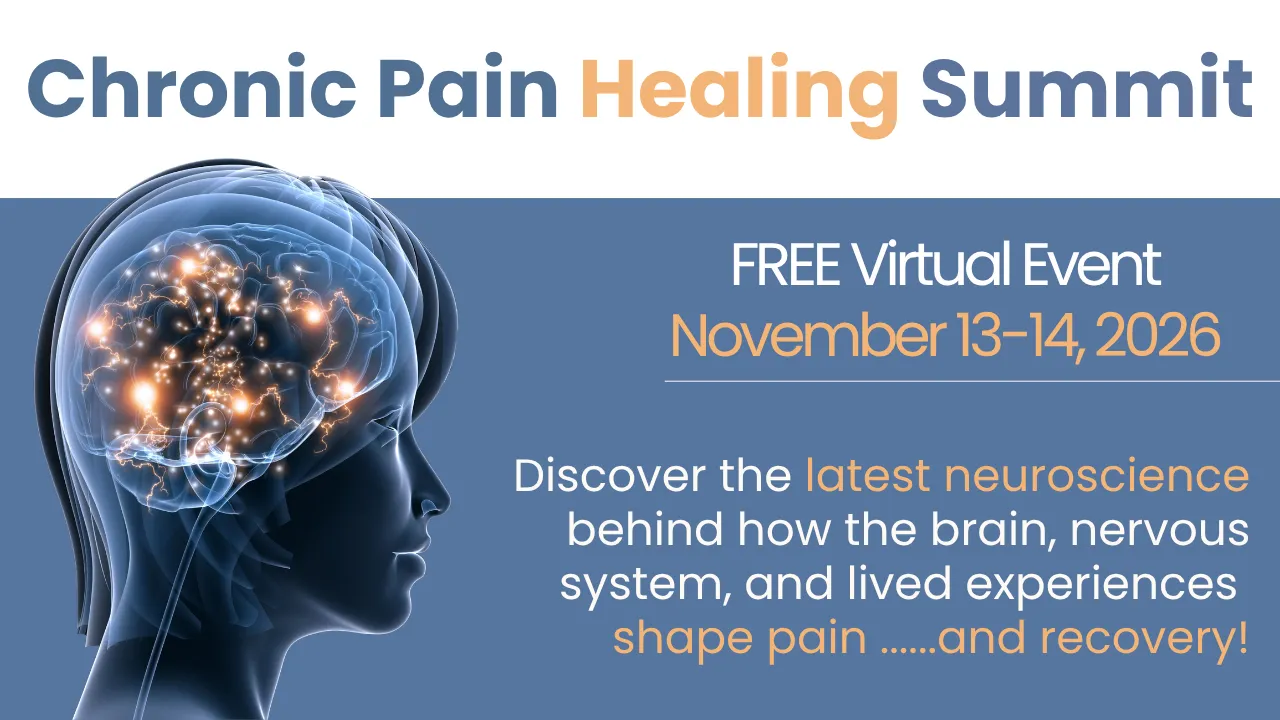
Chronic Pain Healing Summit
November 13-14, 2026
48-hour free replay
or upgrade to 1-Year Access Pass
Leading pain recovery experts explain the latest understanding of why pain can become chronic — and how people are recovering.
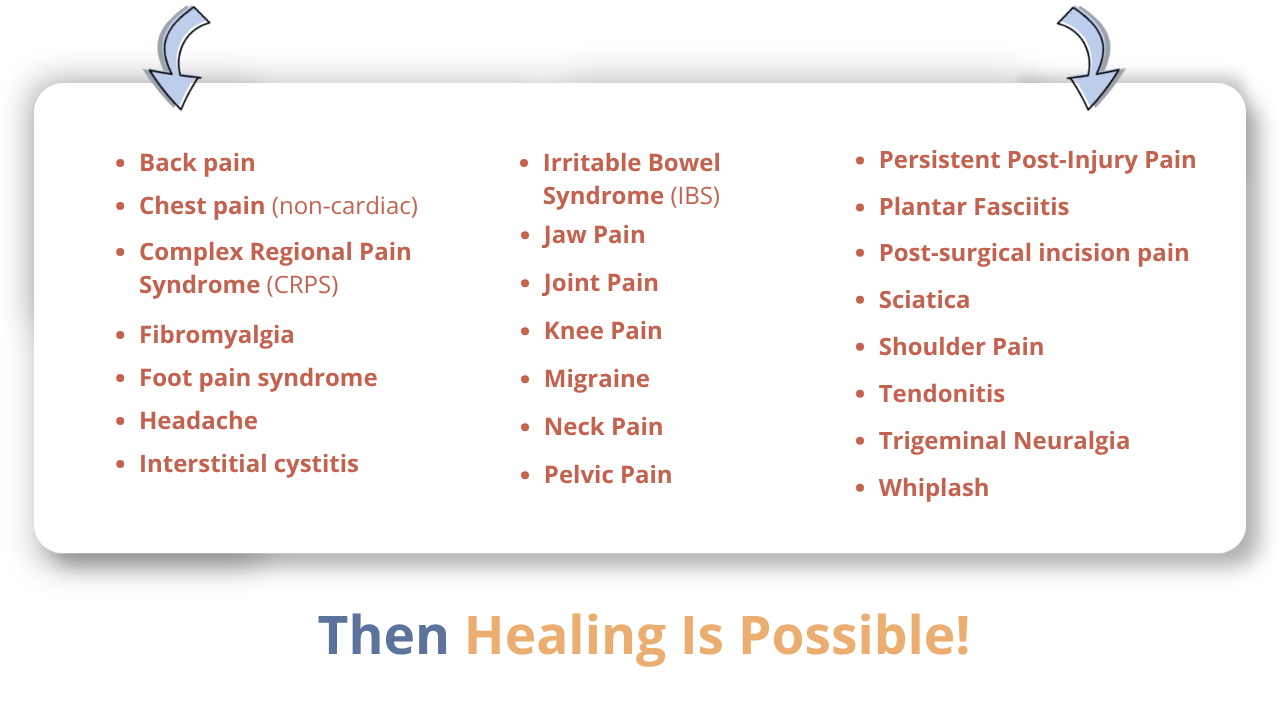
Register Now - Save My Spot!If You're Currently Suffering From Persistent Pain
(Lasting 3+ months and not caused by structural damage or disease)
Our Speakers Have Been Featured In


Meet Our International Speakers
Learn From Experts Who Want To Help You Get Out Of Chronic Pain
This Summit brings together practitioners, researchers, and educators, many with lived experience of healing from chronic conditions, who have made it their life’s mission to share this work.
They have collectively supported tens of thousands of patients in their recovery.
Read speakers' full bios here.
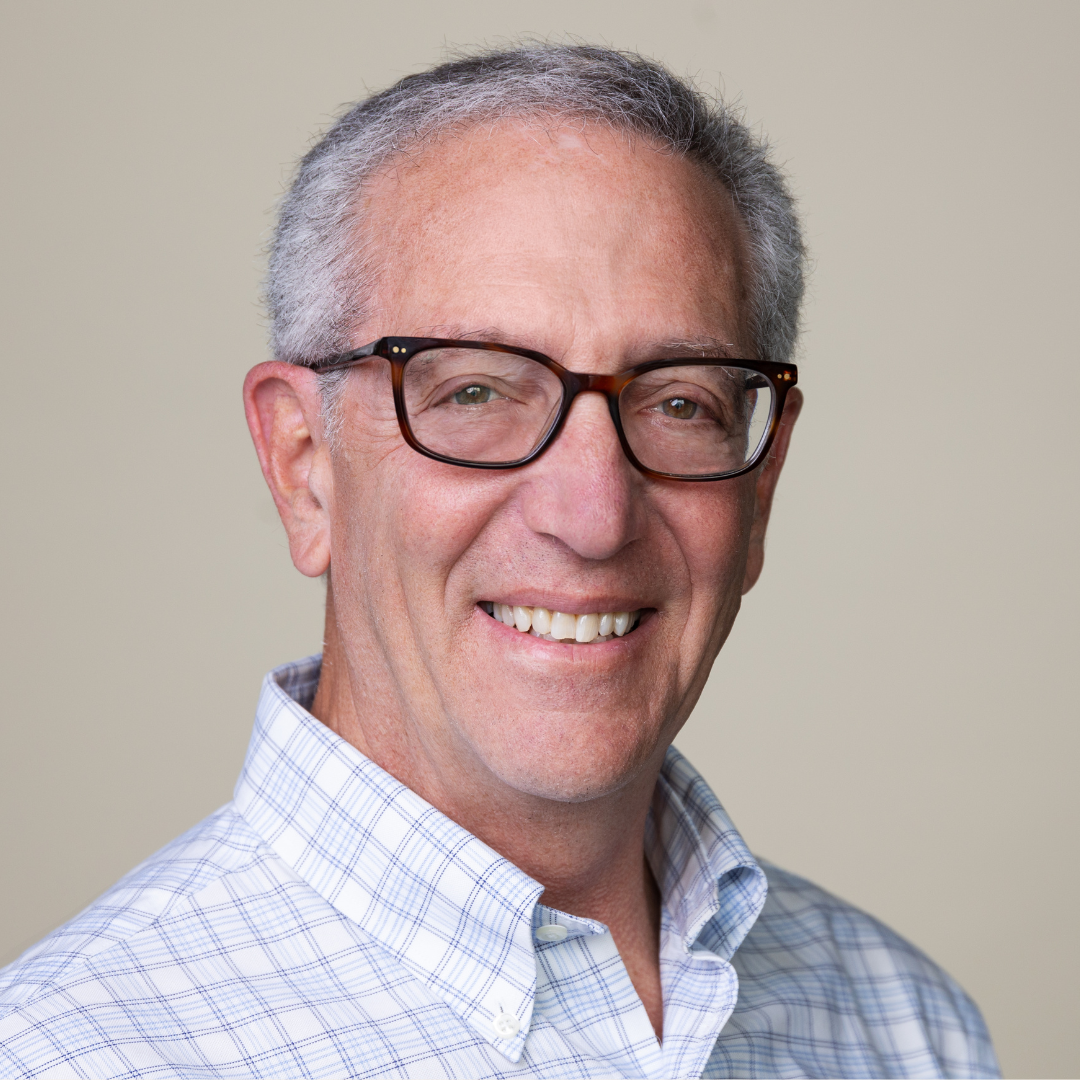
Howard Schubiner, MD 
Physician, Chronic Pain Recovery Expert, Researcher, Author of Unlearn Your Pain
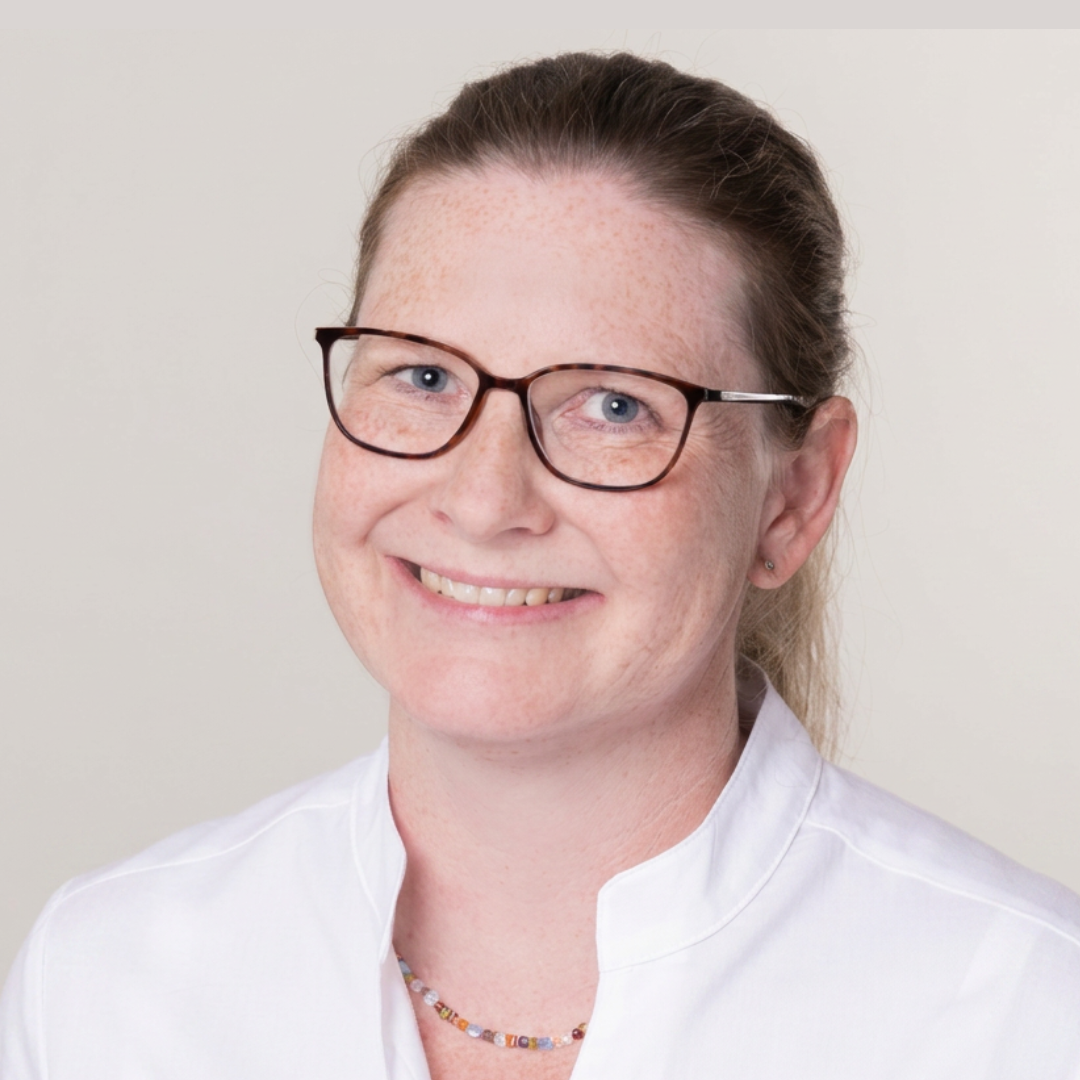
Dr. Antje Kallweit, MD 
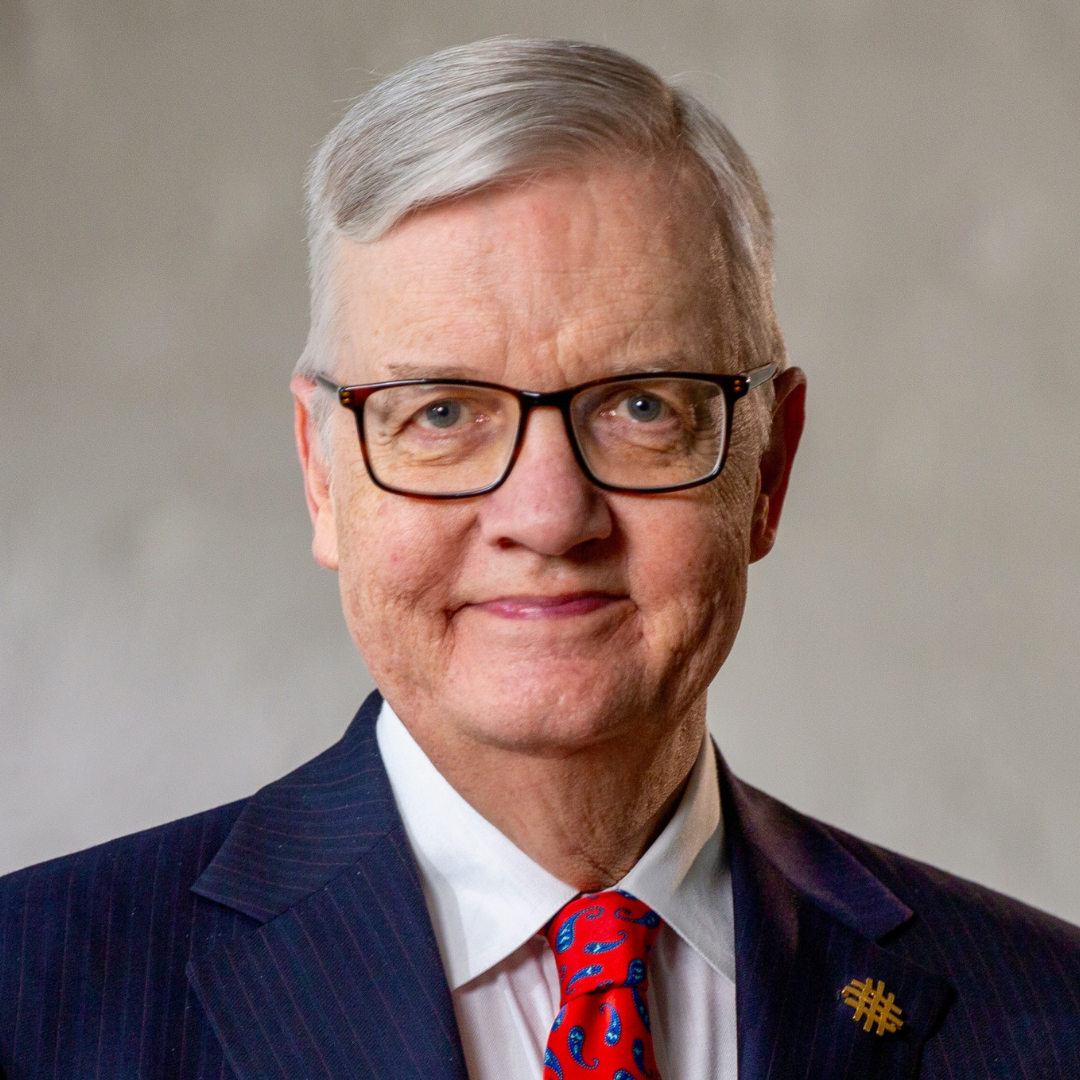
David Clarke, MD
Association for the Treatment of Neuroplastic Symptoms, President & Co-Founder
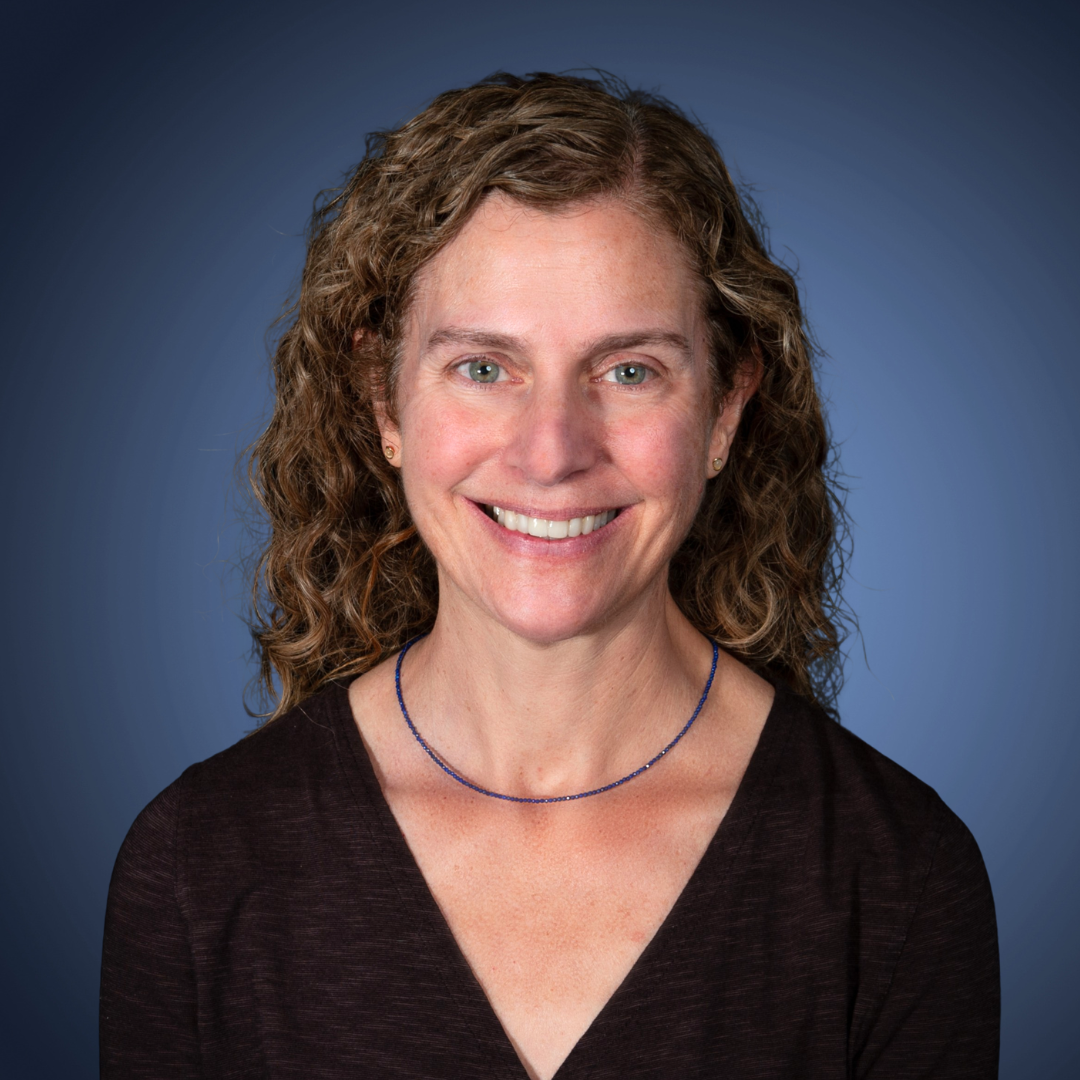
Becca Kennedy, MD
Family Medicine Physician, Co-founder of Arc
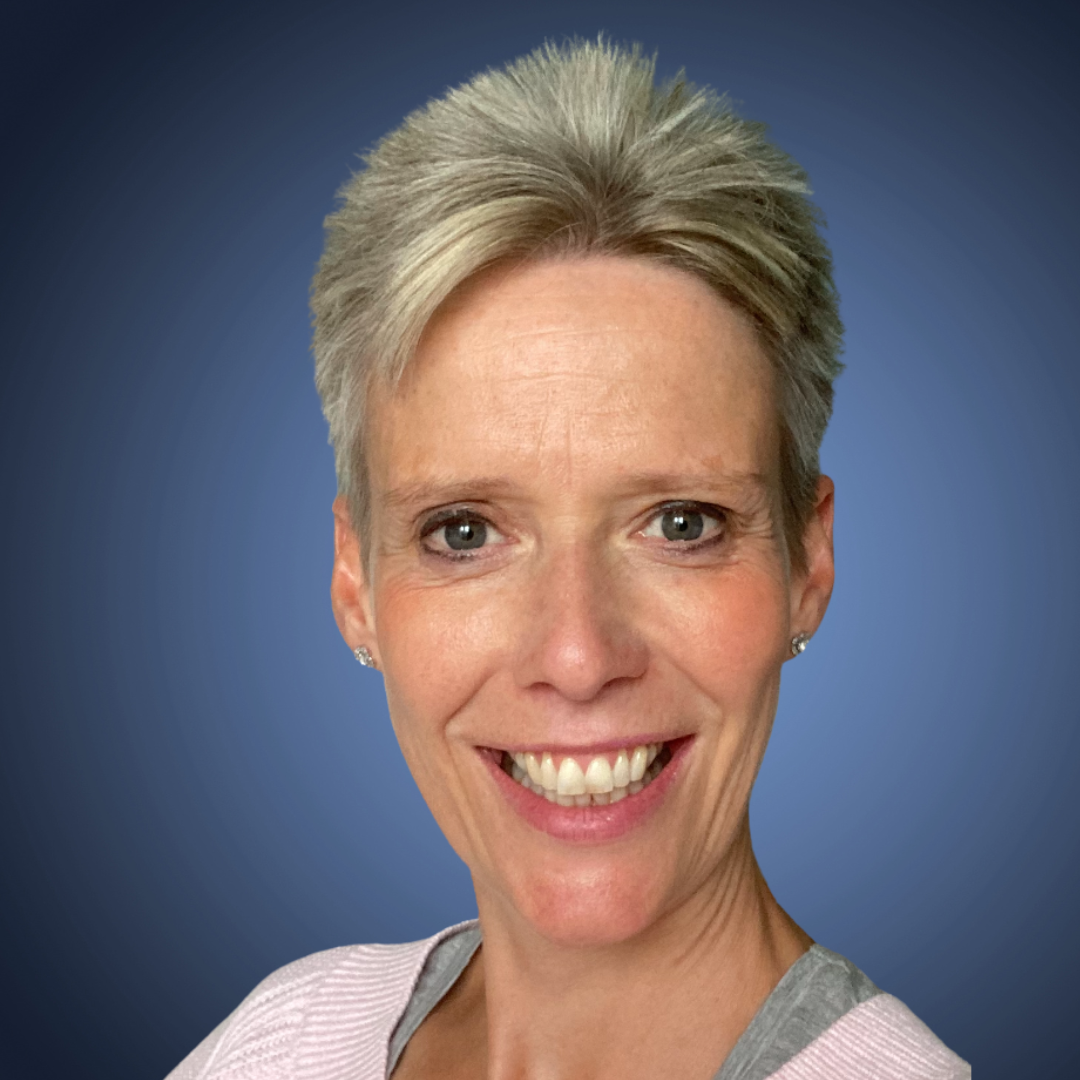
Dr Barbara Phipps,
BMedSci (hons), BM, BS, MRCGP 
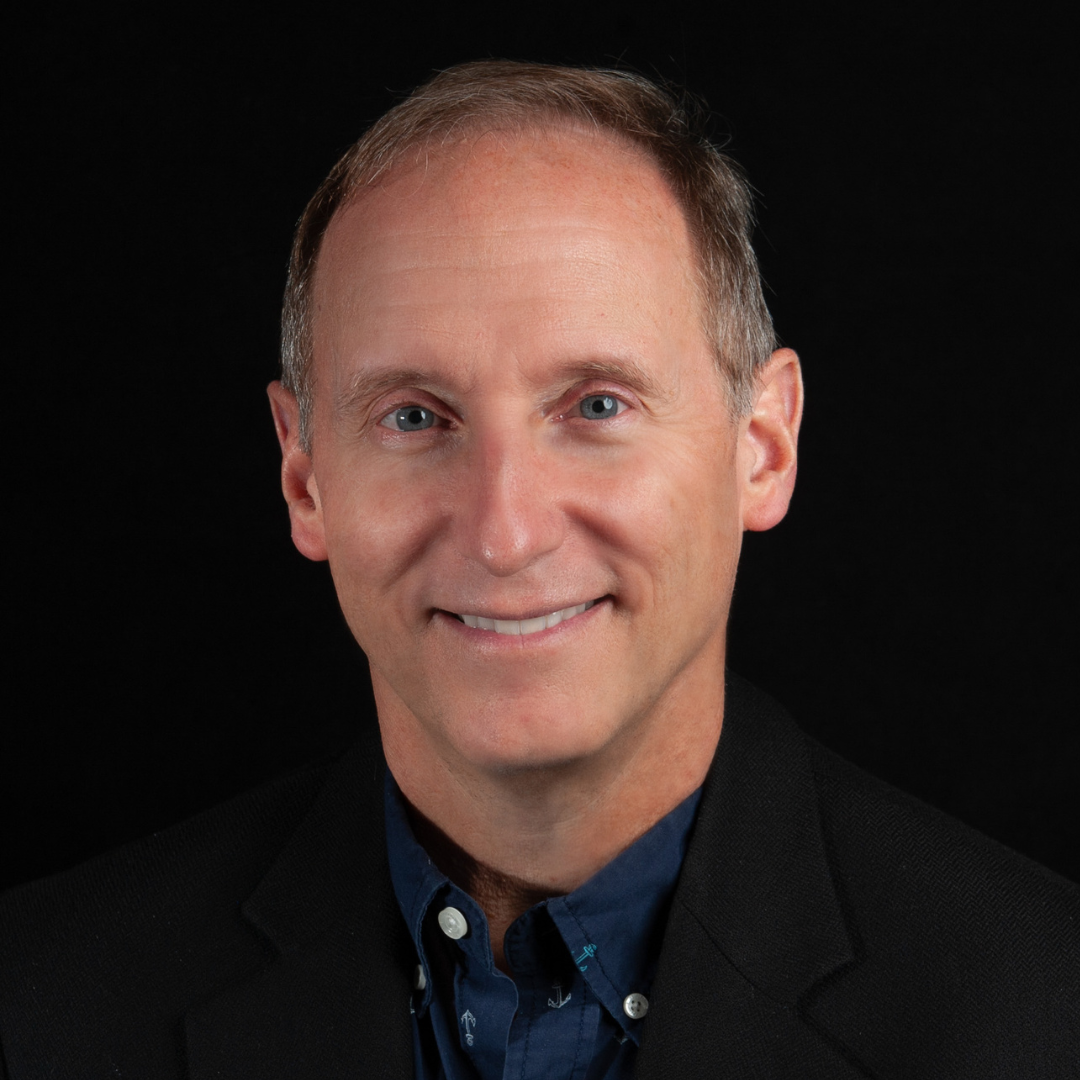
Mark Lumley, Ph.D.
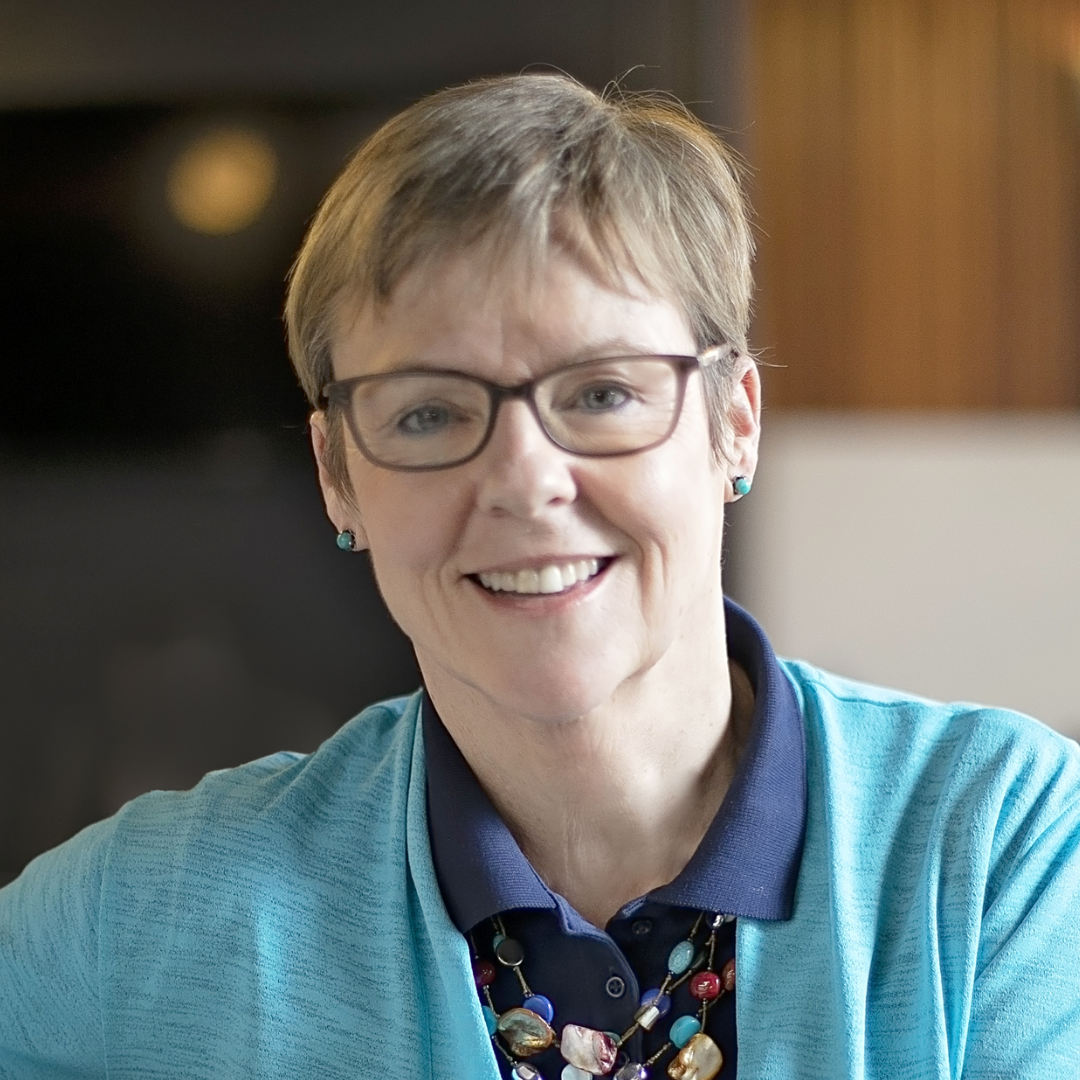
Georgie Oldfield, MCSP
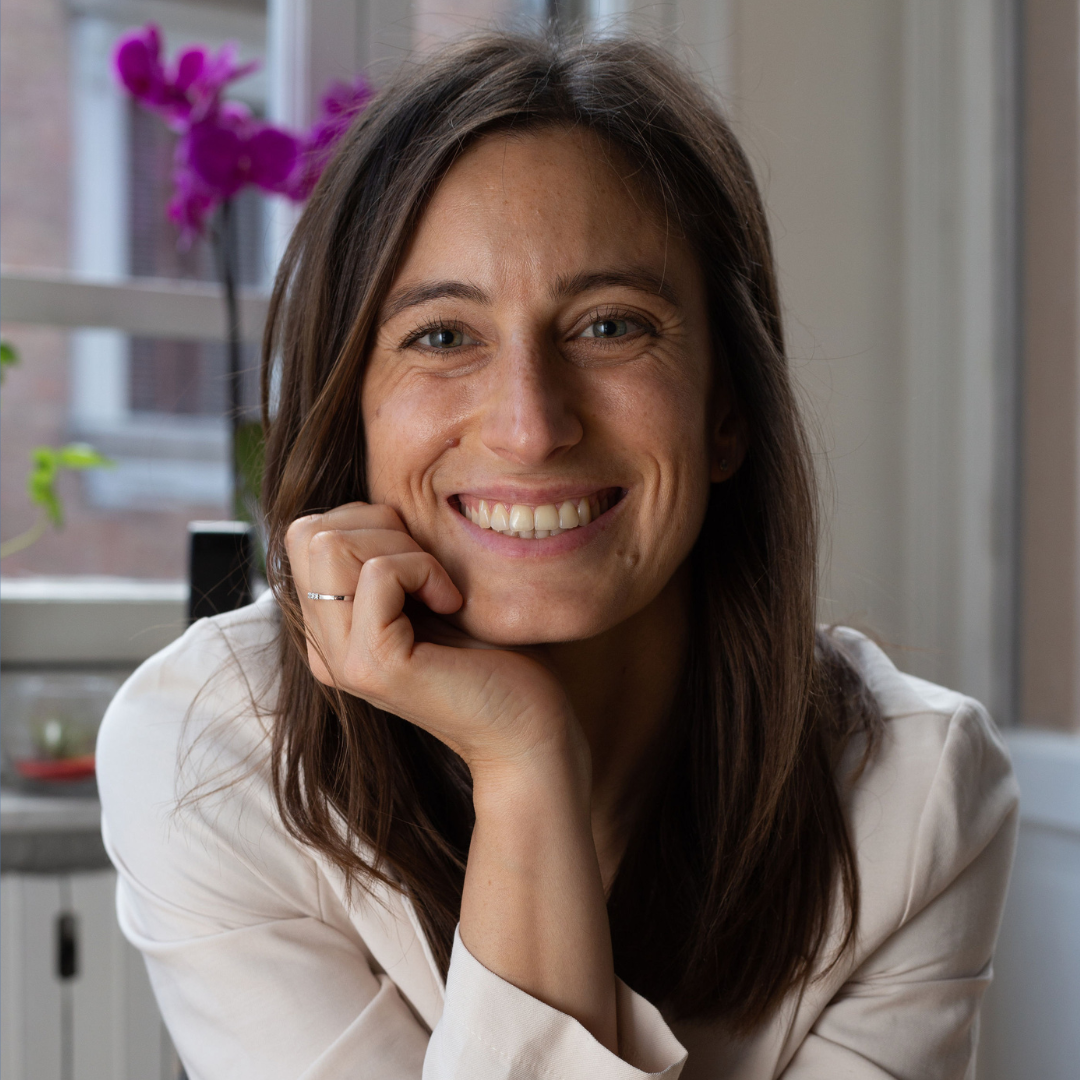
Eleonora Camerone, PhD 
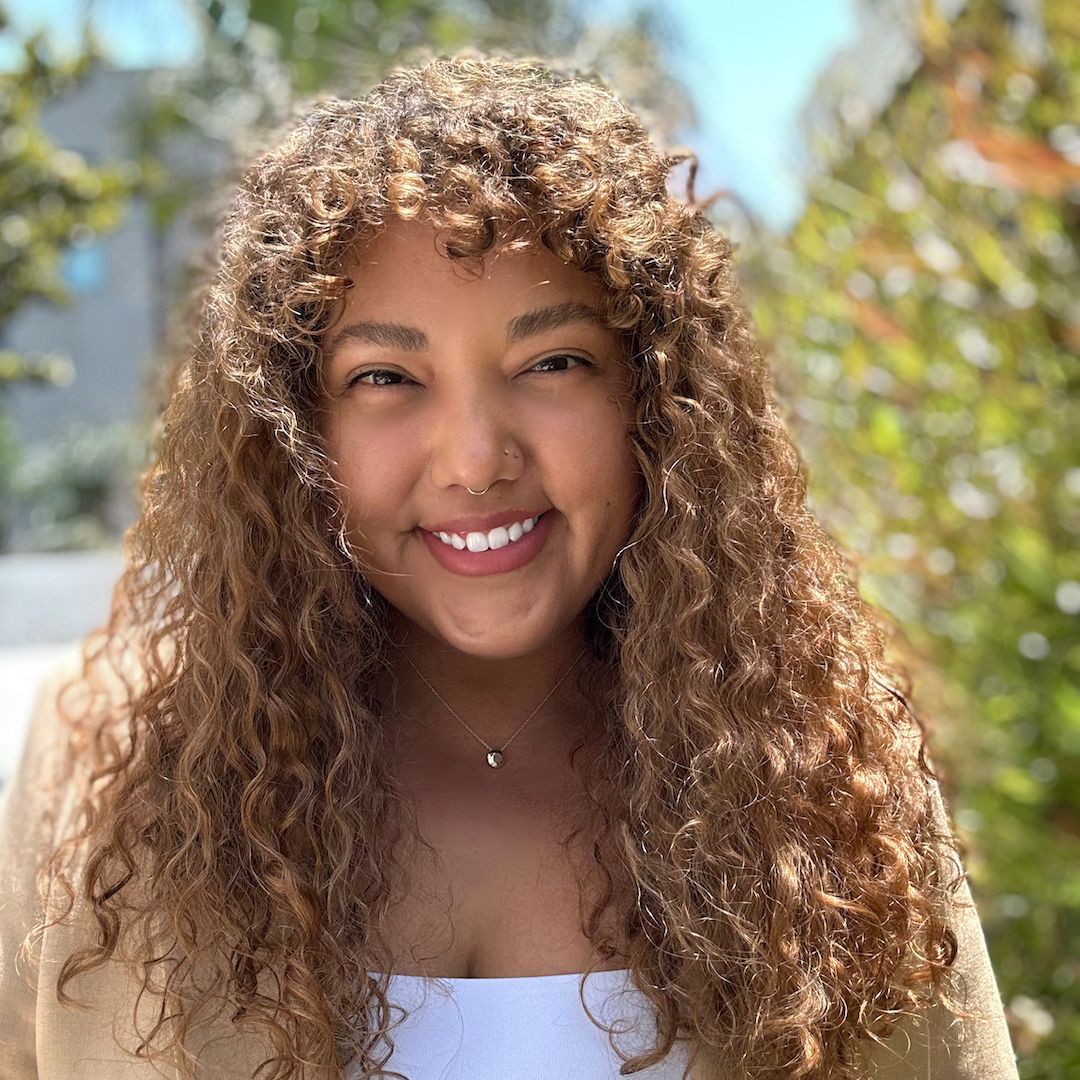
Vanessa Blackstone, MSW, ACSW
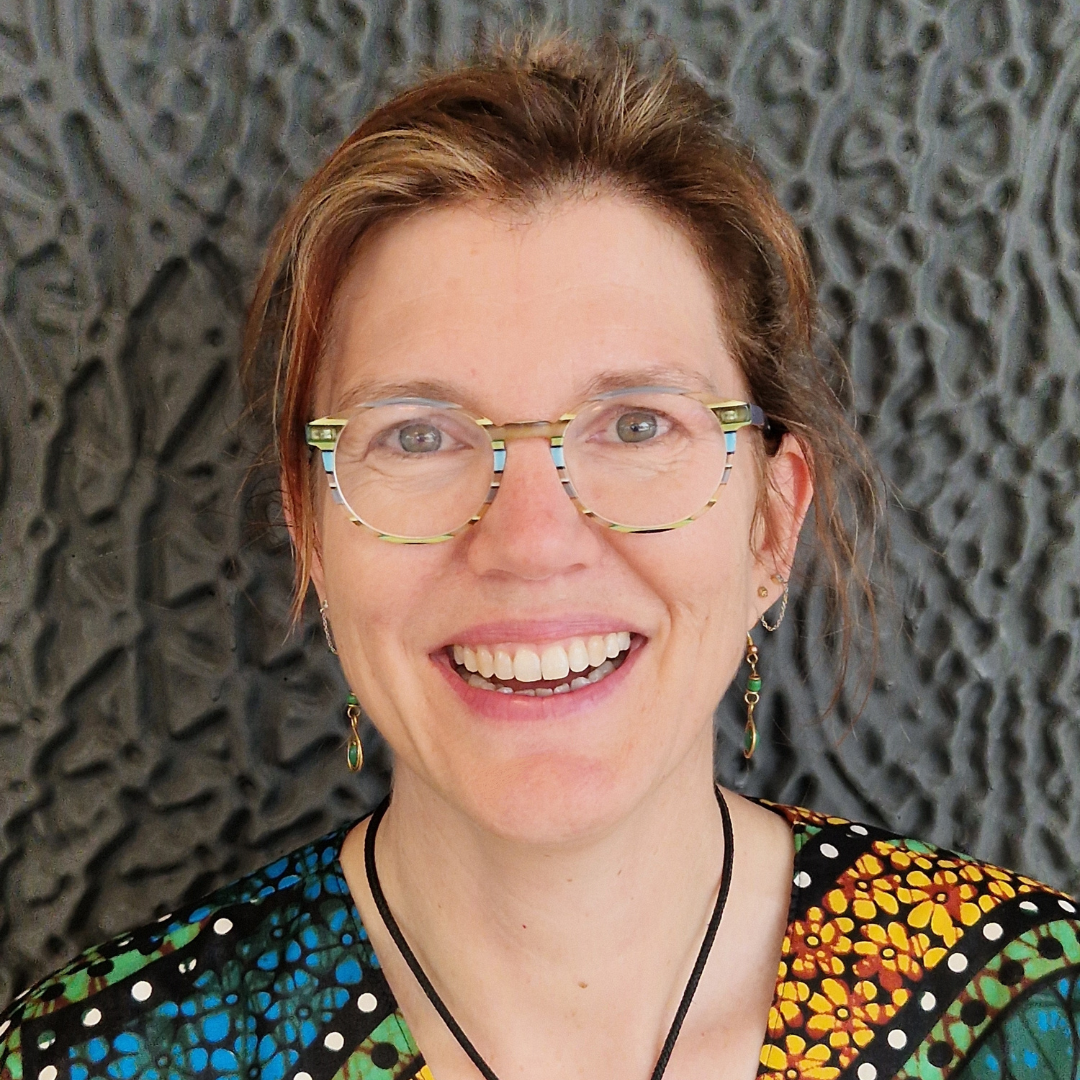
Christine Deurman, MD, MPH 
Public Health Physician and PhD Candidate
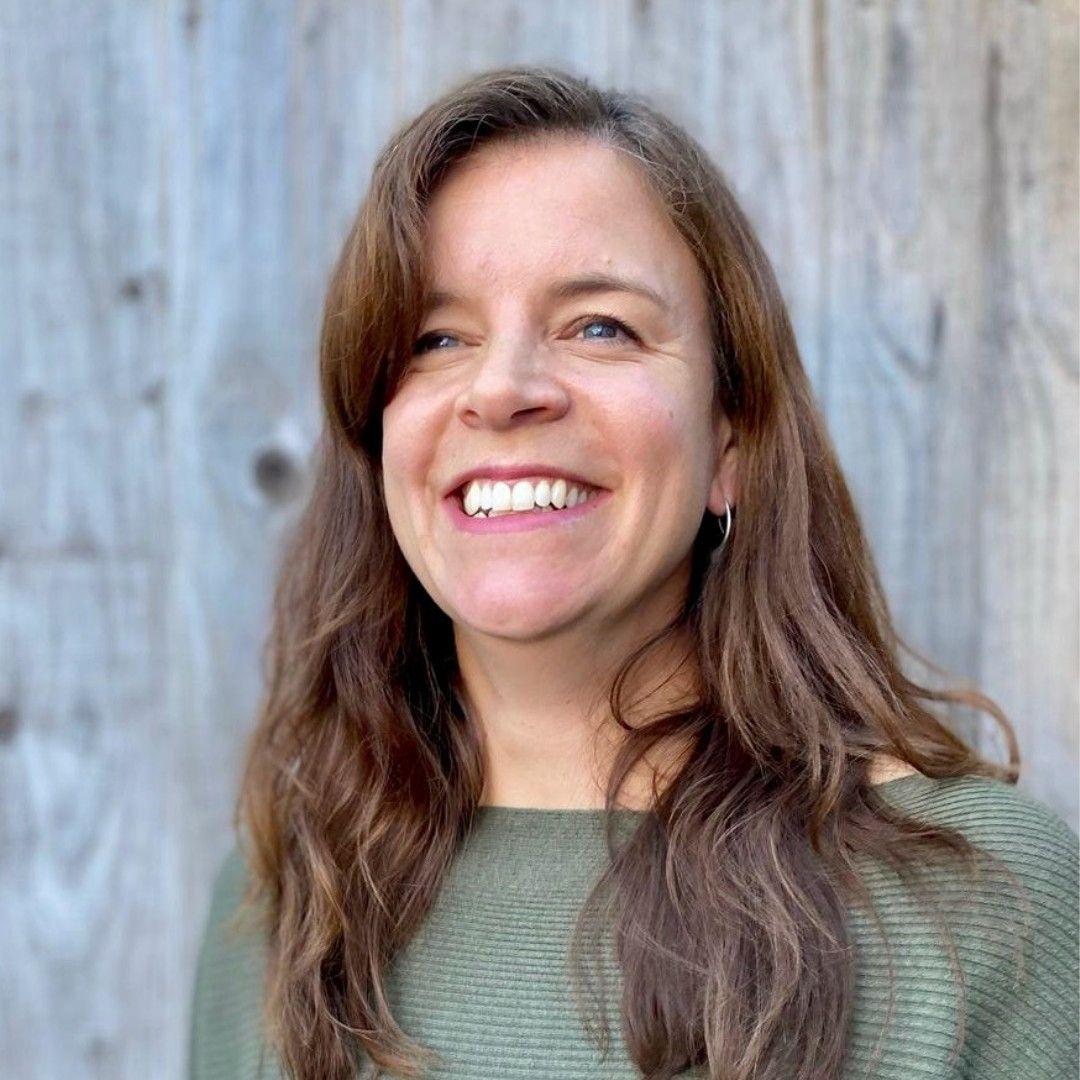
Dr Sarah Hadfield, MBChB, MRCGP
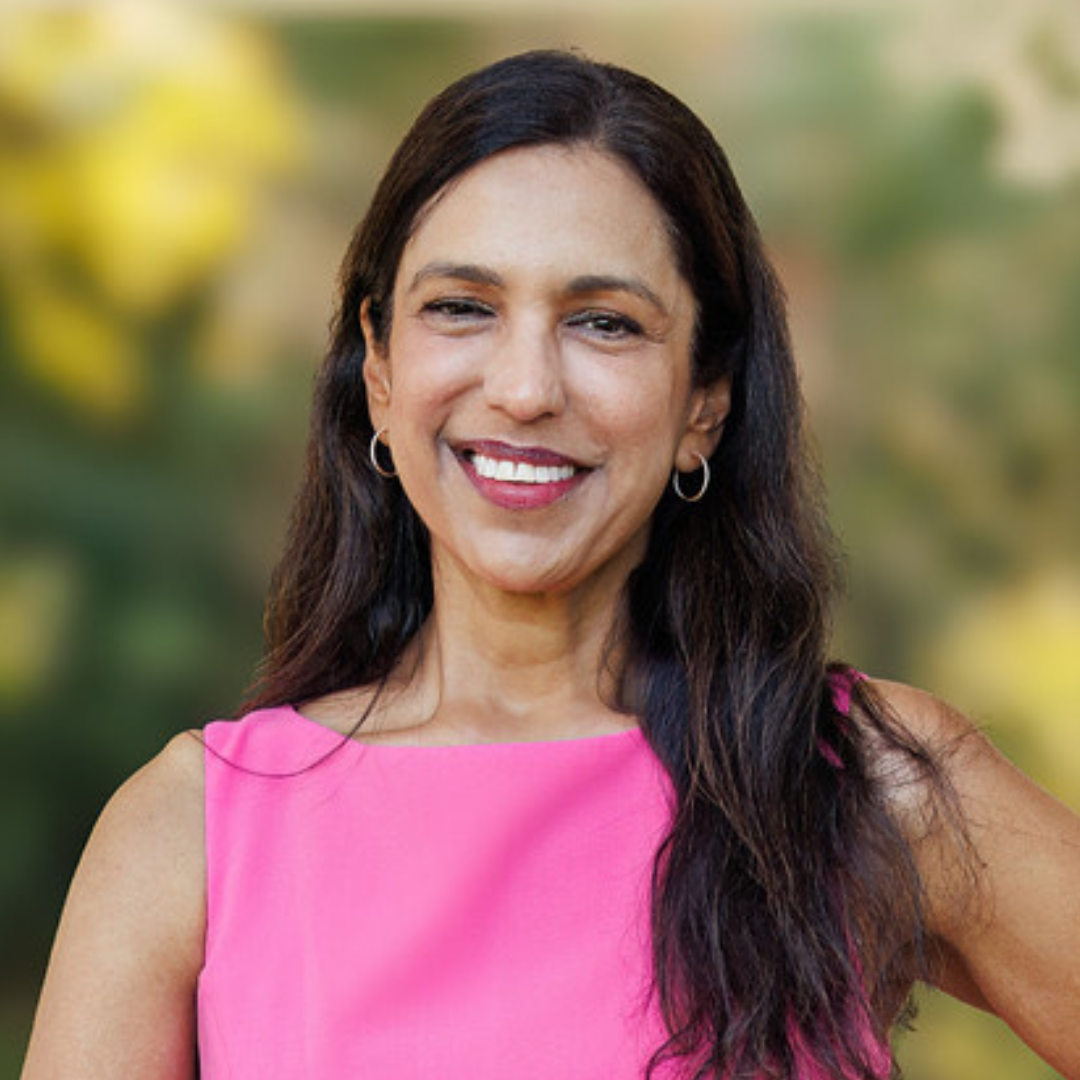
Rita Gupta, MD
Physician, Chronic Symptom Recovery Coach
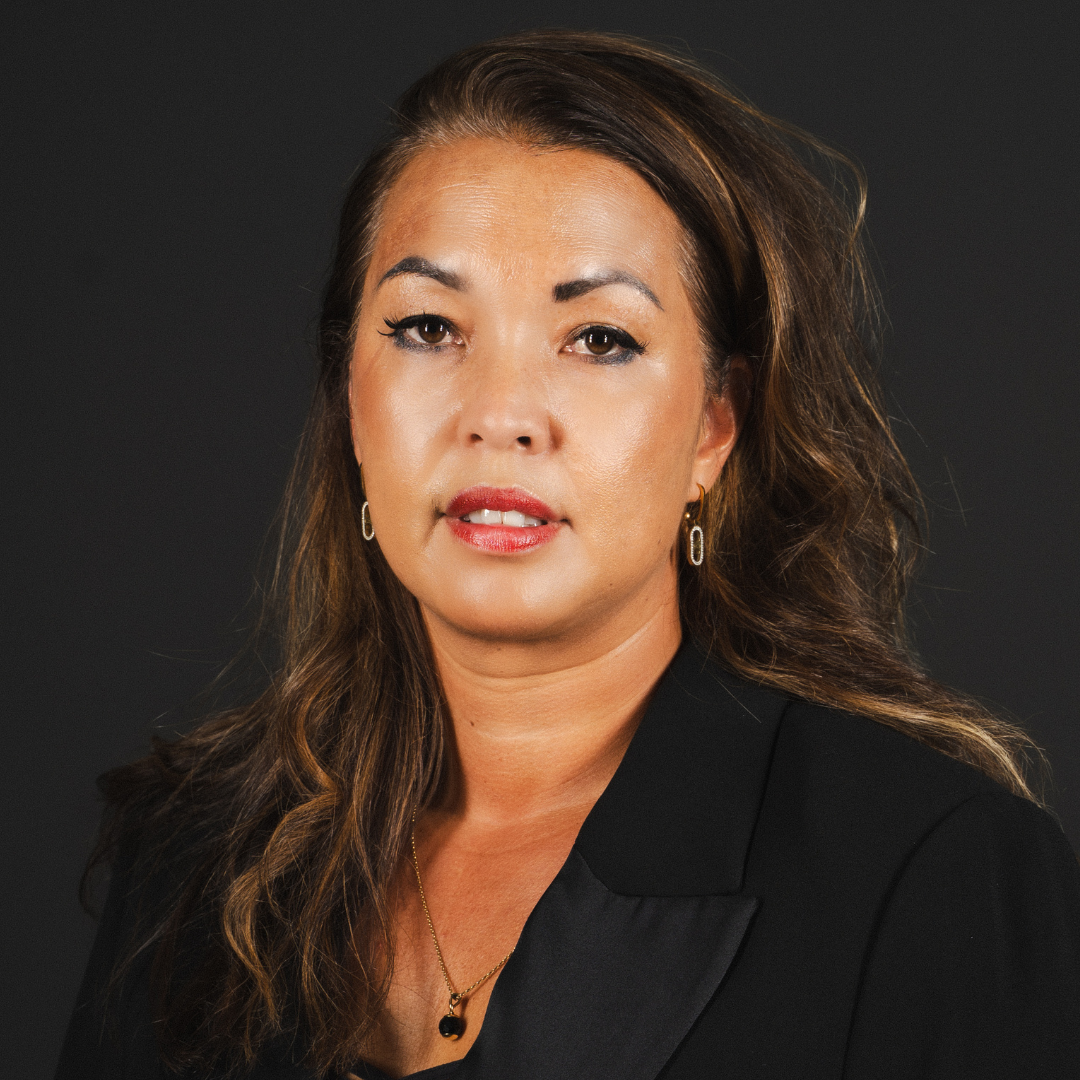
Lian Tjon Soei Len, MD
Anaesthesiologist & Pain Specialist | Lifestyle & Integrative Medicine Physician | Medical Leader Health & Lifestyle
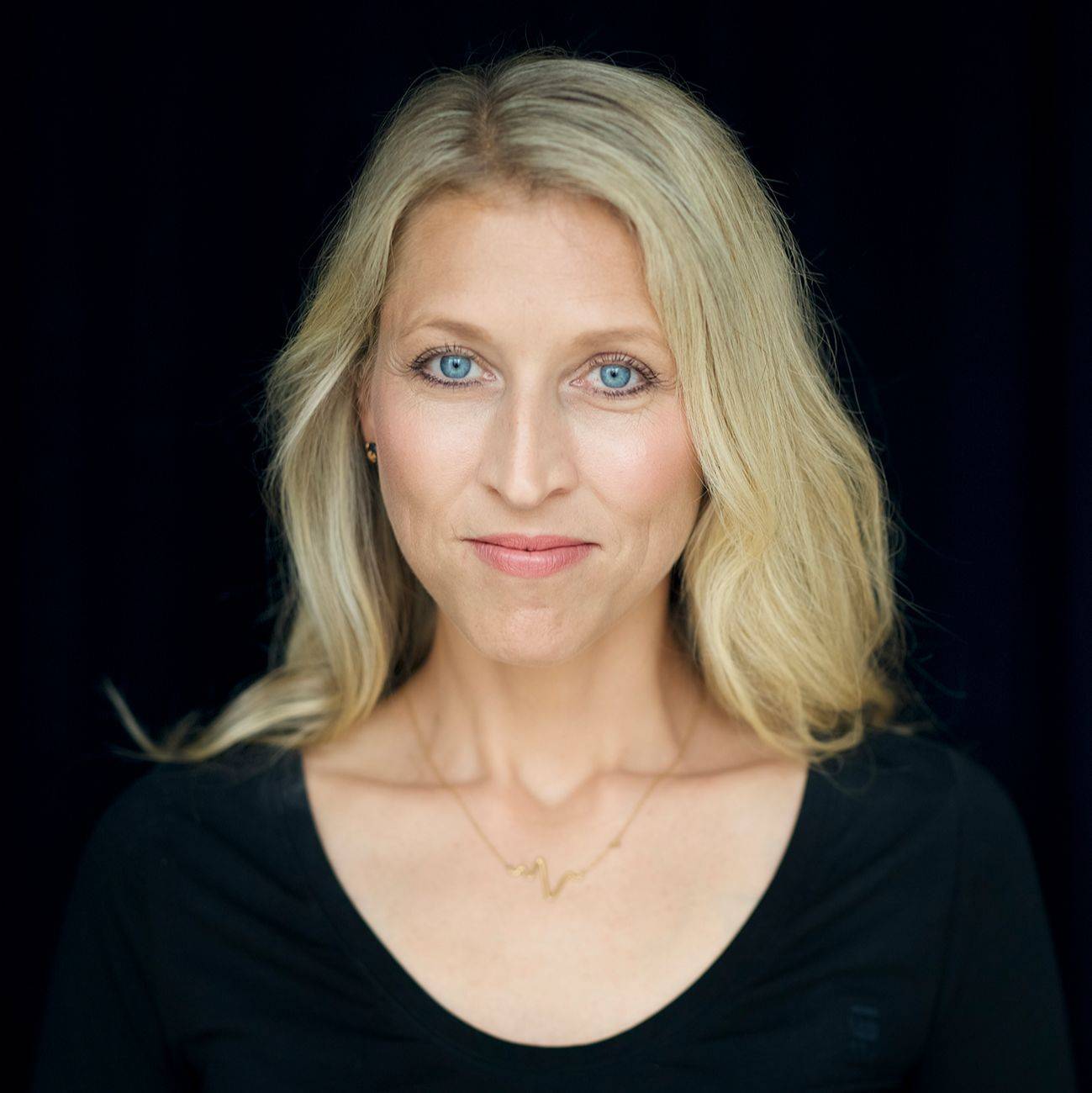
Silje Reme, PhD 
Professor of health psychology at University of Oslo & Pain psychologist at Oslo University Hospital
Register Now!
Don't miss this incredible FREE Event.
Unsure of availability? No worries, replay will be available.
Prefer to Watch at Your Own Pace?
Unsure of your Availability on Summit dates?
Upgrade to the
1-YEAR ACCESS PASS
✓ 1 Year Access ✓ Workbook ✓ Watch or Listen via Mobile App ✓ Bonus Content
Give yourself time to absorb, revisit, and put what you learn into practice.
Get Your 1-Year Access Now!This Event Is Right For You If...
-
Medical tests or scans don't clearly explain your pain.
-
You want to reduce or eliminate persistent pain, not just manage it.
-
Pain has persisted long after an injury should have healed
-
You've tried many treatments but relief has been limited or temporary
-
Your diagnosis doesn't fully explain everything you're experiencing
-
You feel overwhelmed by conflicting advice and don't know where to turn
-
You sometimes feel dismissed or not believed in your search for answers
-
You're open to understanding pain differently, even if you're skeptical
-
You want to learn directly from leading experts, all in one place
Meet The Recovery Panel
During the event, you'll hear directly from people who've been where you are.
Our Recovery Panel brings together individuals from around the world who once lived with persistent symptoms such as migraine, back pain, fibromyalgia, pelvic pain, bladder pain, IBS, and other chronic conditions. They understand the fear, frustration, grief, and isolation that can come with living in a body that no longer feels predictable.
They'll share what helped them heal, along with the setbacks, doubts, and small breakthroughs they experienced along the way. Because sometimes the most powerful source of hope is hearing from someone who truly understands the journey—and realizing you're not alone.
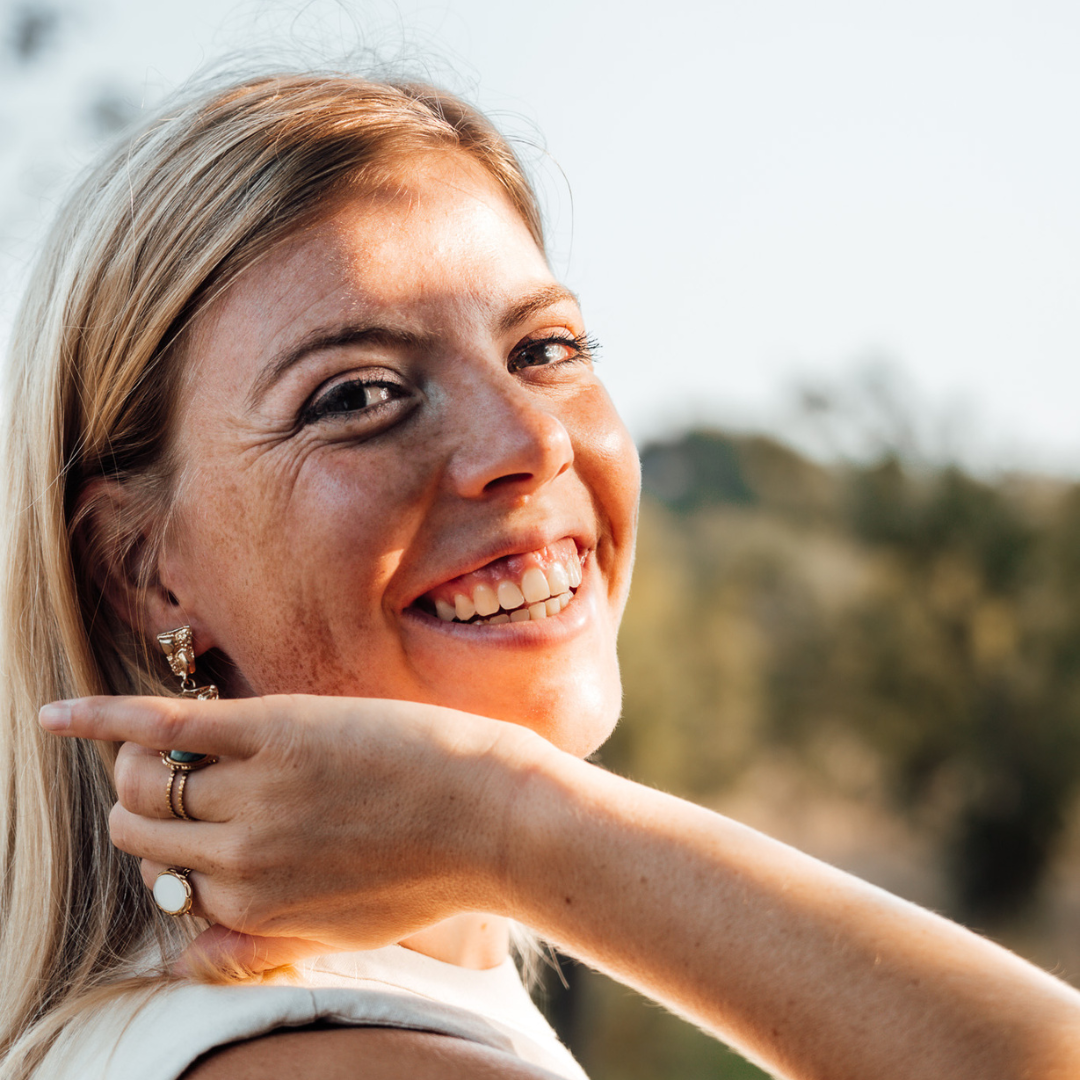
Michelle Kraaij
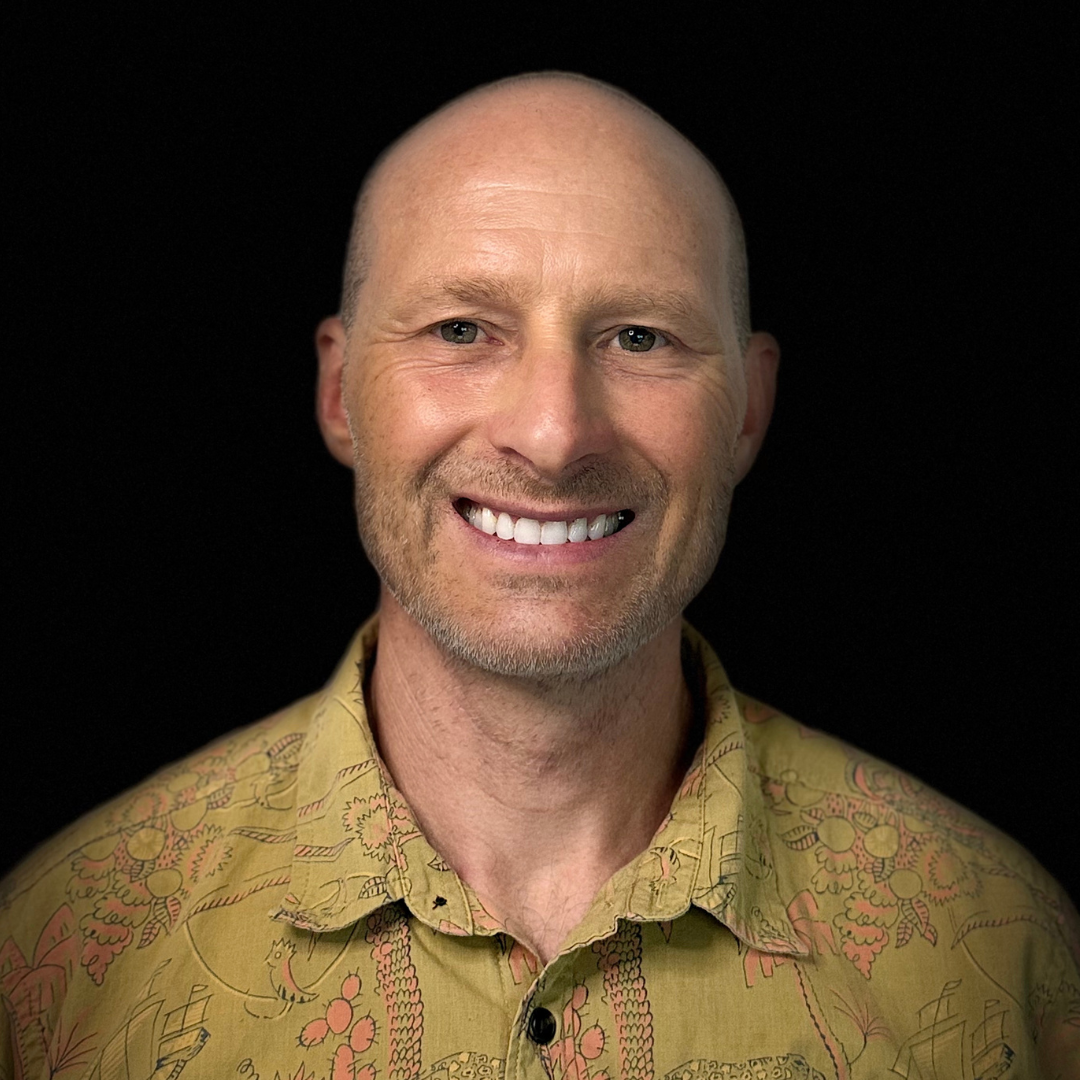
Jim Prussack, MPT, MMT
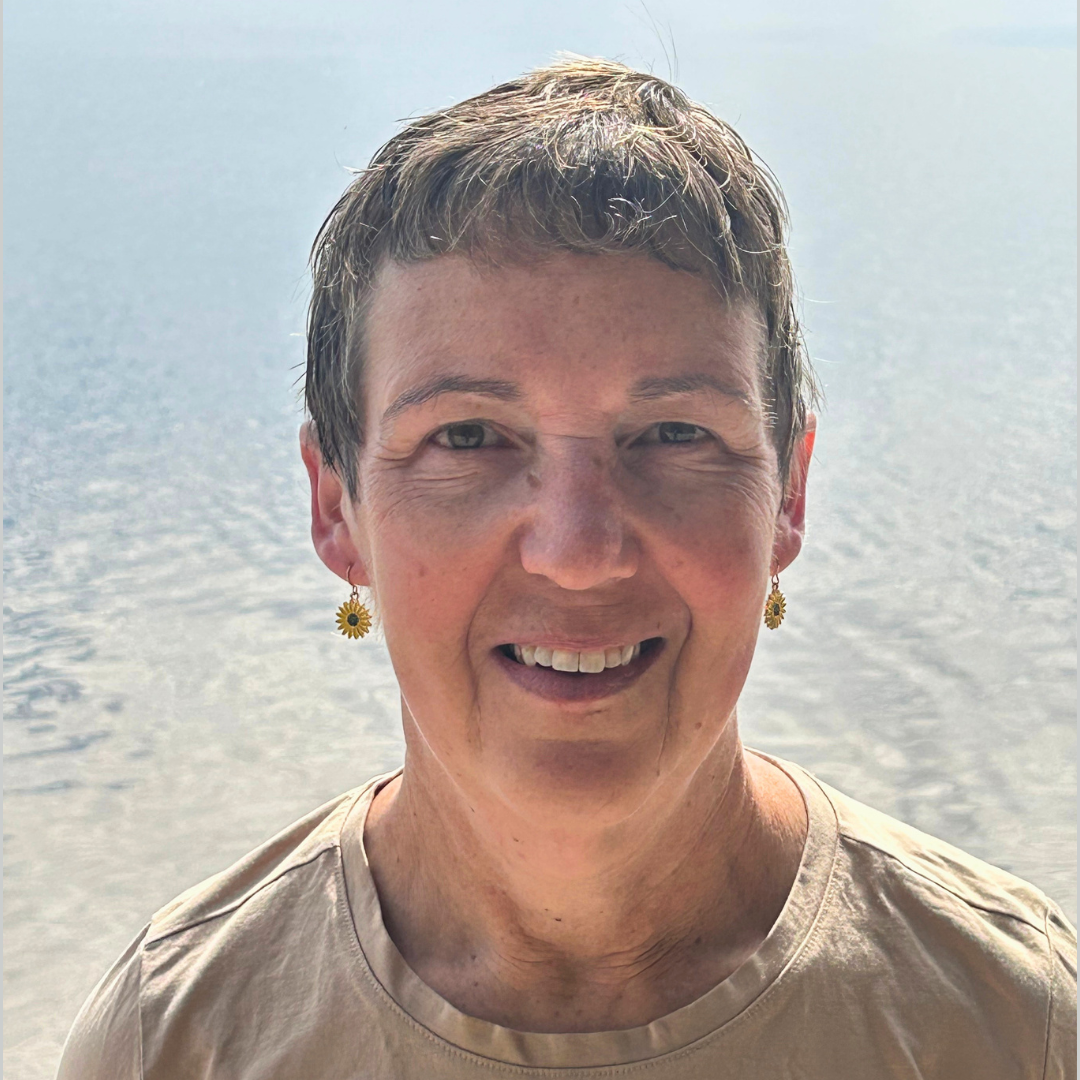
Jayne Plante 
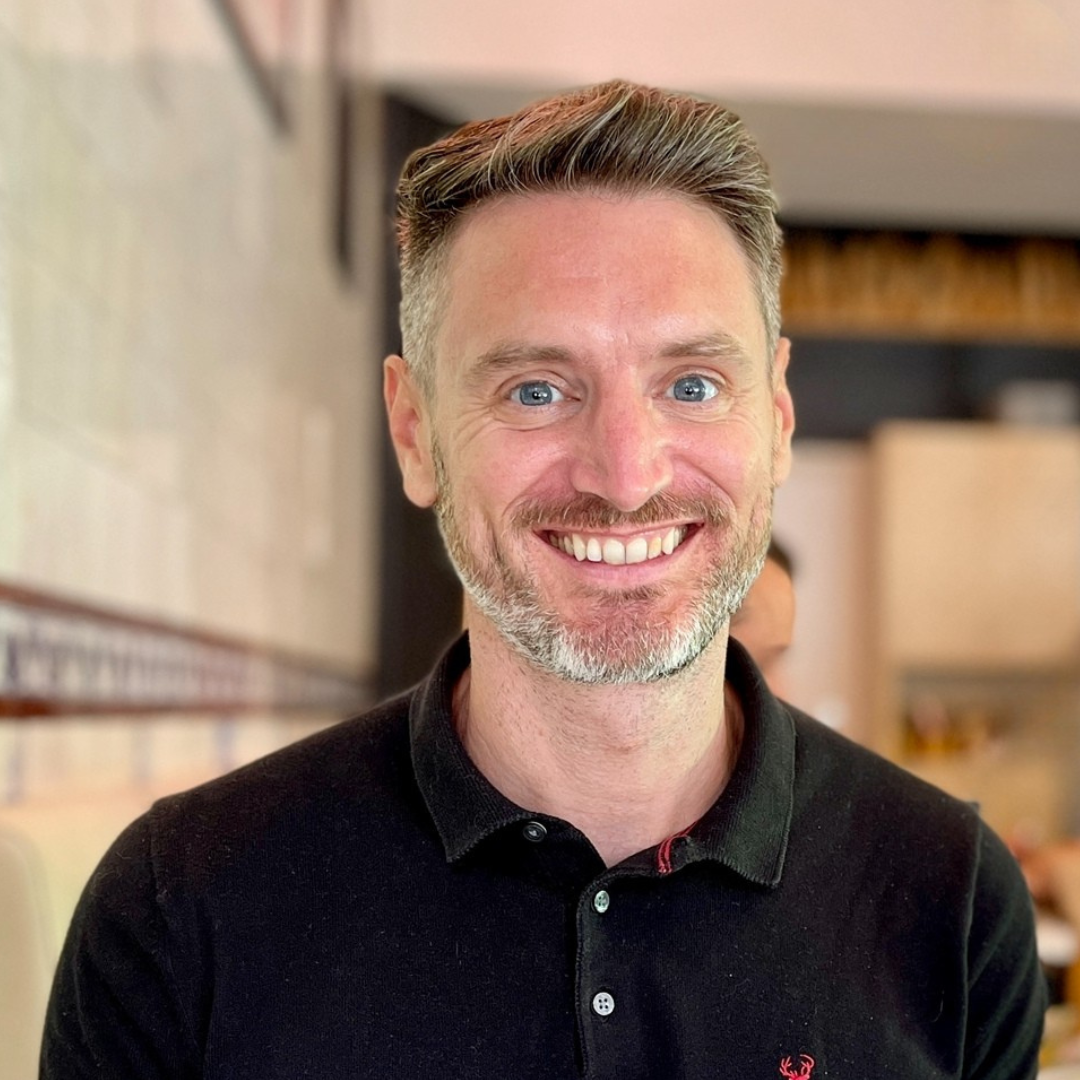
Jean Itier 
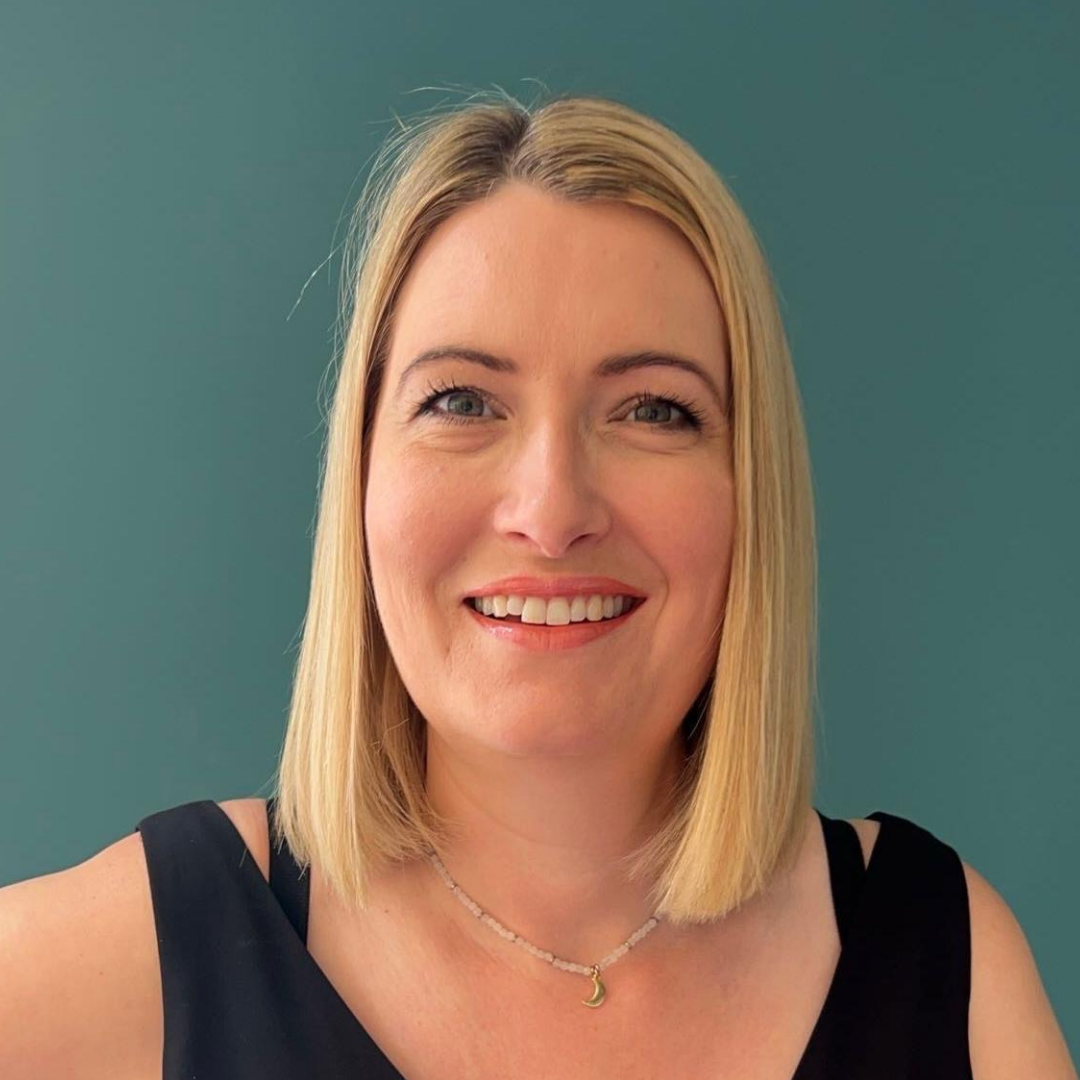
Sally Tether
Chronic Pain
Healing Summit
November 13 - 14, 2026
Over two days, you'll hear from leading doctors, researchers, and clinicians sharing what the latest science tells us about:
-
what drives persistent pain
-
how recovery is actually possible.
✔ No fluff.
✔ No complicated science.
✔ No overwhelming theory.
✔ No spending months piecing together advice from dozens of sources.
Just clear, evidence-based answers in plain language with practical steps you can begin exploring right away.
By the end of the event, you'll feel more informed, more hopeful, and empowered to take action toward real change.
This event is designed for someone in chronic pain. Sessions go live at 11:00 EST each day. All sessions are pre-recorded, with a 48-hour replay window to allow you to watch when you are feeling well and able.
Agenda: Day 1 (Friday, November 13, 2026)
New Understanding of Pain
Section 1: You Are Not Alone
- The Path to Recovery: 5 People Share Their Healing Journey (Panel Discussion: Jean Itier, Michelle Kraaij, Jayne Plante, Jim Prussack, Sally Tether)
- Your Pain Is Real & You Are Not Alone (Howard Schubiner, MD)
Section 2: Could This Healing Approach Support You?
- Understanding The Different Types of Pain (Barbara Phipps, MD)
- Rule Out Underlying Structural or Disease Cause (Barbara Phipps, MD)
- Rule In That Your Pain Could Be Reversible (Howard Schubiner, MD)
Section 3: New Understanding of Pain
- The Evolution of How We Understand Pain
- The Mindbody Connection (Lian Tjon Soei Len, MD)
- How Pain Is Created & Learned (Christine Deurman, MD, MPH)
- How the Nervous System Influences Pain (Vanessa Blackstone, MSW)
Section 4: Power of The Brain
- Pain Is Generated By The Unconscious Brain - Why It Matters (Becca Kennedy, MD)
- Neuroplasticity: The Brain’s Ability To Change Makes Healing Possible (Silje Reme, PhD)
- How Expectations & Beliefs Influence Pain and Healing (Eleonora Camerone, PhD)
- How Symptoms Become Chronic (Antje Kallweit, MD)
Agenda: Day 2 (Saturday, November 14, 2026)
How Did You Get Here - And How Can You Heal?
Section 5: How the Brain Can Get Stuck in Protection Mode
- How Childhood Experiences Can Shape Pain (David Clarke, MD)
- Why Women Experience More Chronic Pain? (Rita Gupta, MD)
- Your Story: What Your Timeline Might Reveal (Georgie Oldfield, MCSP)
Section 6: The Hidden Drivers of Pain
- How Common Coping Strategies Unknowingly Fuel Pain (Howard Schubiner, MD)
- The Role of Emotions in Pain (Howard Schubiner, MD)
- Other Ways the Brain Can Perceive Danger (Becca Kennedy, MD)
Section 7: How Healing Actually Happens
- Restore Safety With Symptoms: Pain Reprocessing Therapy (PRT) (Vanessa Blackstone, MSW)
- Guided Practice: Rewiring Pain Patterns in Real Time (Vanessa Blackstone, MSW)
- Restore Safety With Emotions: Emotional Awareness & Expression Therapy (EAET) (Mark Lumley, Ph.D)
- Guided Practice: An EAET Technique You Can Use Today (Mark Lumley, Ph.D)
- Building Nervous System Capacity and Resilience (Sarah Hadfield, MD)
- Self-Compassion, Empowerment and Agency in Recovery (Georgie Oldfield, MCSP)
- Recovery Panel Continued: What Healing Actually Looked Like (Panel Discussion: Jean Itier, Michelle Kraaij, Jayne Plante, Jim Prussack, Sally Tether)
Section 8: Resources & Your Next Steps
- Global Support for Your Recovery (Sarah Howarth (Living Proof-UK), Marjon Oomens, MSc. (Emovere Foundation-NL), David Clarke, MD (ATNS-US)
- Your Possible Next Steps & Resources (Karen Ash, ACC)
Meet your Mindful Check-in Lead
Throughout the summit, you'll be invited to pause for brief, guided Mindful Check-ins designed to help you slow down, check in with yourself, and notice what you need in the moment.
Alex will guide short, simple, evidence-based practices that will introduce practical tools you can continue using long after the summit ends.
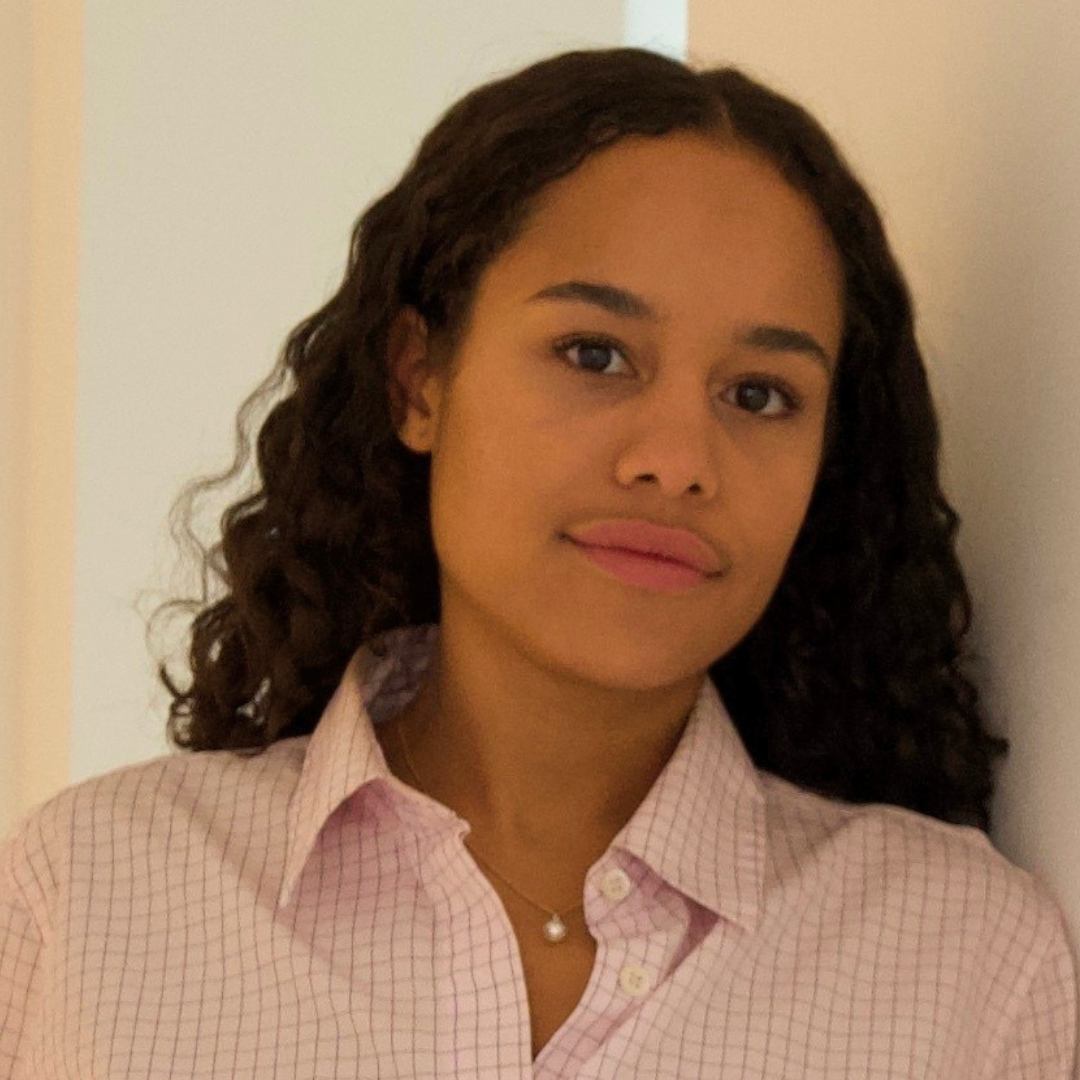
Alex McQueen
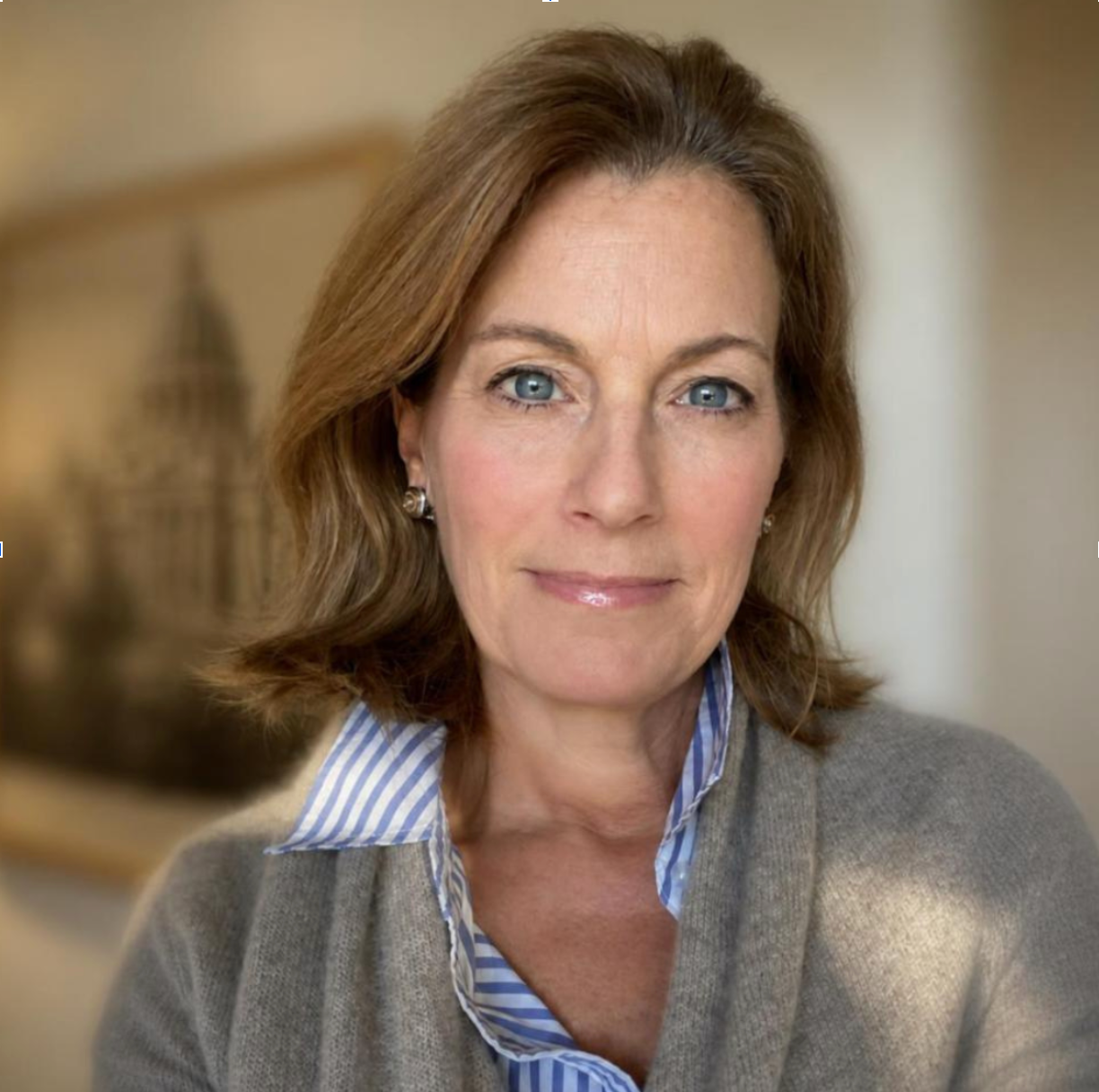
Meet Your Host
Hi, I'm Karen Ash 
Founder, HealABLE Pathways
Creator & Producer, Chronic Pain Healing Summit
At 17, I was diagnosed with chronic migraine and told it was something I'd have to manage for the rest of my life. Like so many others living with persistent pain, I tried to do everything right—treatment after treatment, avoiding every trigger—while my world slowly grew smaller around my suffering.
34 years later, everything changed when another health crisis led me to a clinic where I was introduced to an evidence-based approach that viewed chronic pain through a completely different lens. Together, we looked at my life to uncover the clues behind my symptoms, and the patterns we found were impossible to ignore. As I began doing the work, my symptoms slowly began to fade.
That journey led me to leave my pharmaceutical leadership career, train with leading physicians and researchers in pain recovery, become an ICF-certified coach, and found both Migraine Oasis and HealABLE Pathways.
I created the Chronic Pain Healing Summit because no one should have to spend decades before discovering this information. My hope is that these two days provide the understanding, practical tools, and—perhaps most importantly—the hope to believe that healing may be more possible than you've been led to believe.
I'm so glad you're here, and I can't wait to welcome you to the summit. - Karen
Created, Produced & Hosted By:
Special Thanks To Our Advisory Council:
Meet Our Advisory Council & Co-Hosts!
Proudly developed in collaboration with leading international nonprofit organizations.
While the Chronic Pain Healing Summit is created and produced by HealABLE Pathways, it has been developed in close collaboration with an international Advisory Council representing leading nonprofit organizations dedicated to advancing evidence-based education and supporting recovery from chronic pain.
Their generous guidance, expertise, and shared commitment have helped shape a summit that is grounded in science, guided by integrity, and designed to empower people living with chronic pain.
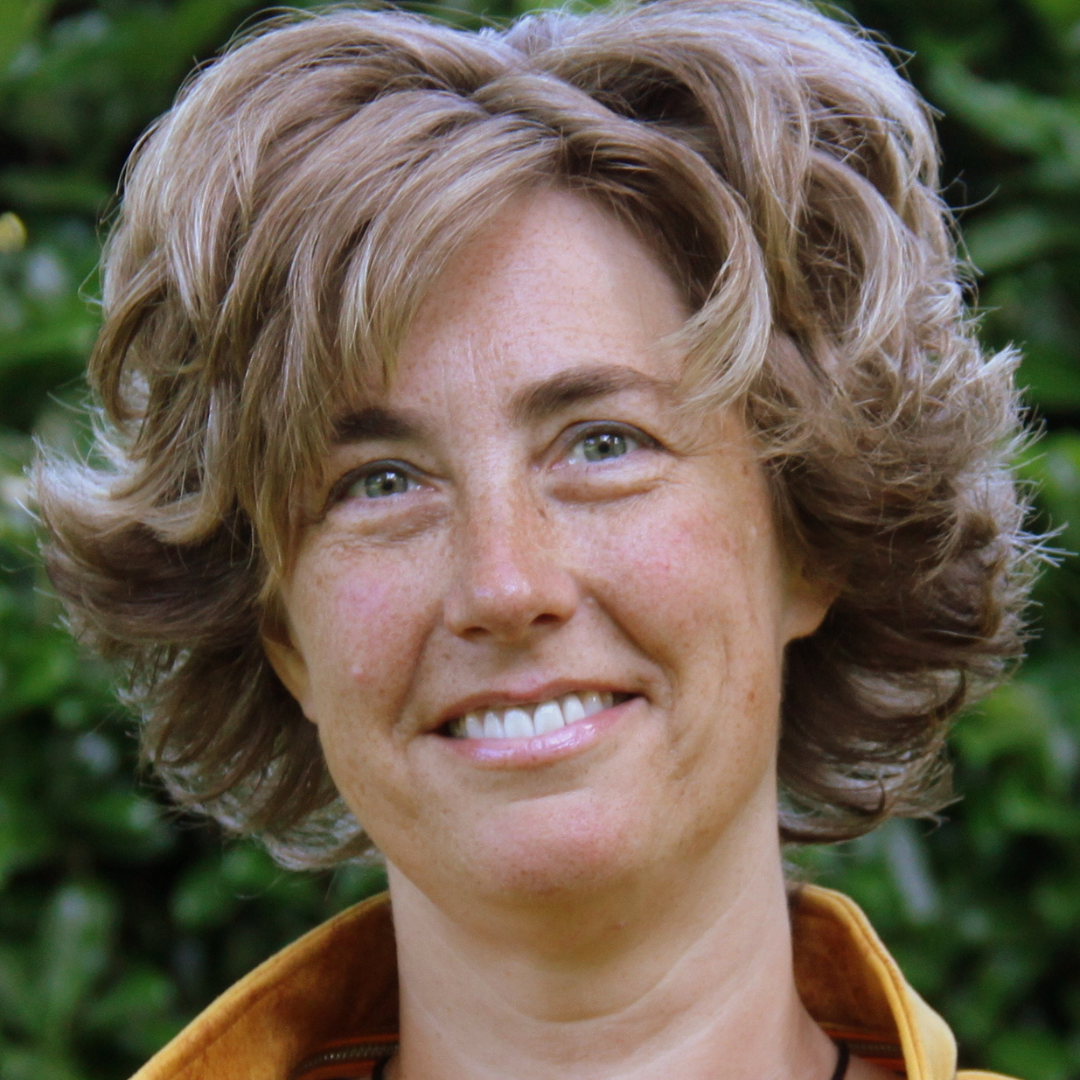
Marjon Oomens, MSc.
CO-HOST
Stichting Emovere (NL) - Co-founder & Director
Healed from: Chronic Post-Whiplash pain (8 yr), Post-Concussion Syndrome (4 yr), Repetitive Strain Injury (RSI), Lower back pain, Burn-out
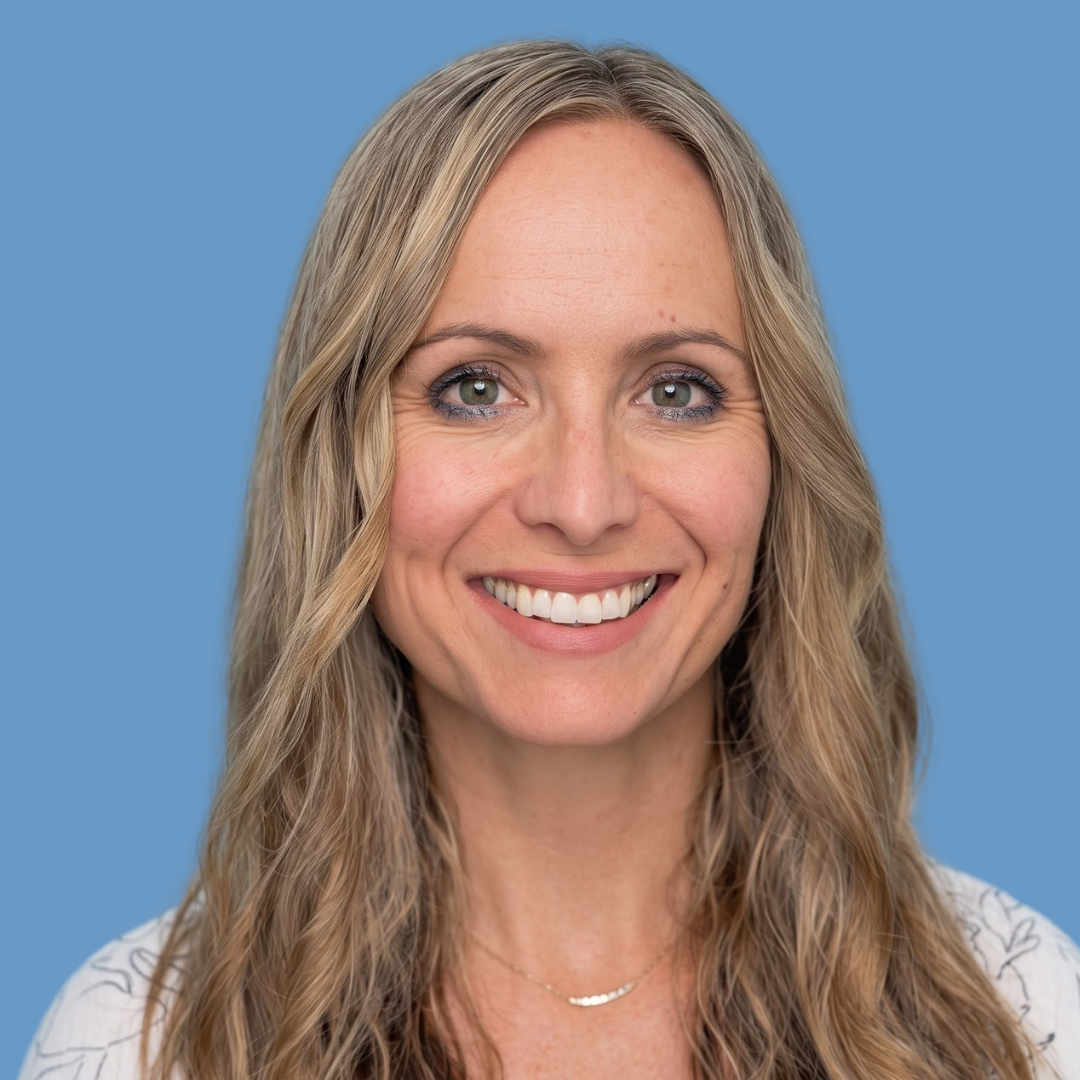
Sarah Howarth
CO-HOST
Living Proof (UK) - Co-Director
Healed from: Interstitial Cystitis, Pain in Surgical Scars, Pelvis, and Lower Back
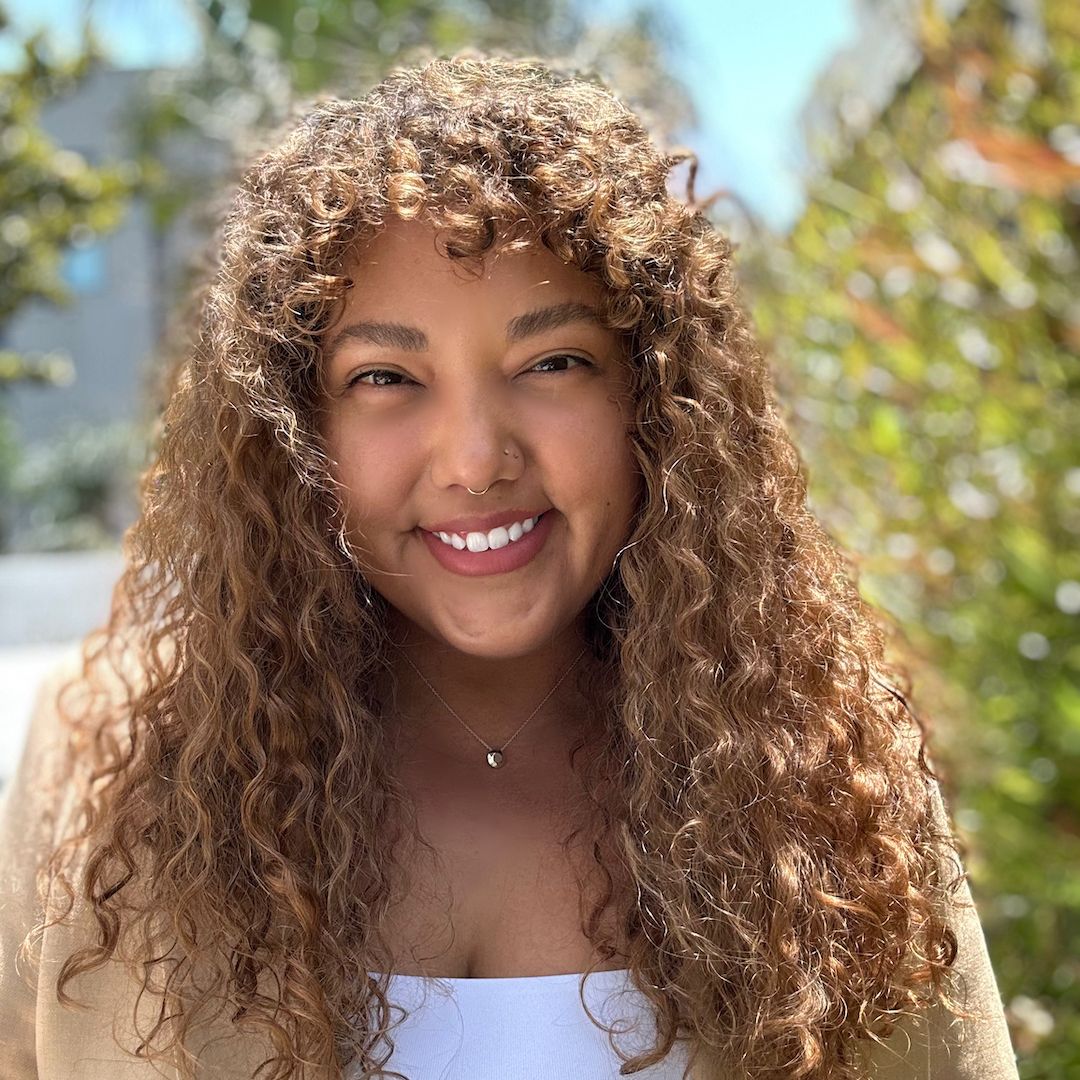
Vanessa Blackstone, MSW
SPEAKER
Assoc. for the Treatment of Neuroplastic Symptoms (ATNS) Board
Healed from: Chronic Migraine, Vertigo, IBS, Pelvic Floor Pain, Post-Concussion Syndrome, and Chronic Hives
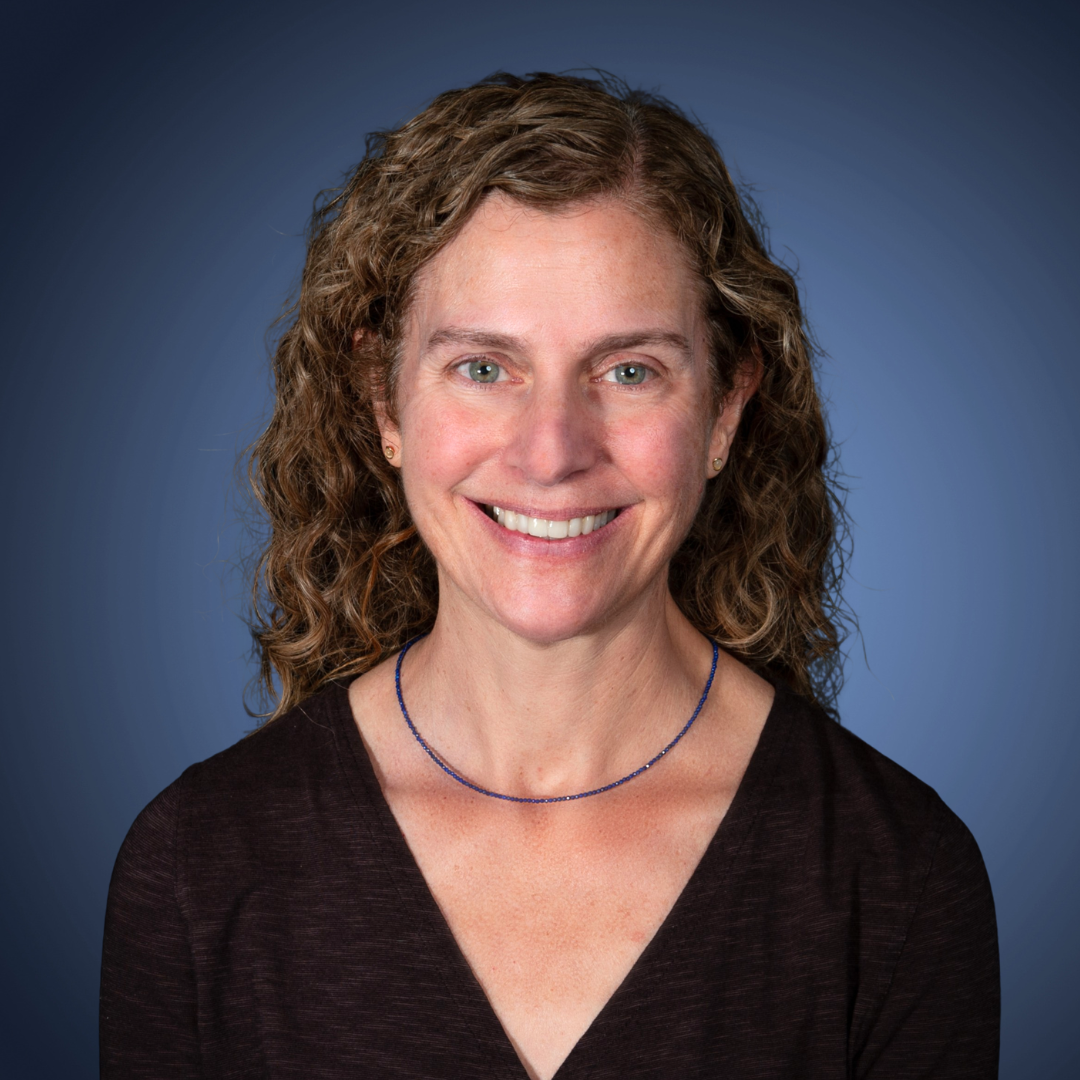
Becca Kennedy, MD
SPEAKER
Independent Advisor, Former ATNS Board Member
Healed from: Chronic pain and fatigue
Frequently Asked Questions
You have questions. We've got answers! Find the details below.
Is this really free?
Who is this for?
What happens after I register?
How do I watch?
What is your definition of chronic pain?
What is neuroplastic (mindbody) pain?
Do I have to watch live at a specific time or are replays available?
I've never heard of this approach. Is this still a good fit?
I'm skeptical this approach can help me— should I still attend?
I'm a healthcare professional, coach, or caregiver. Is this relevant to me?
I've already read some books on this topic. Will I still learn something new?
Why is my doctor not talking to me about this?
What if I can't make either day?
Should I still register if I upgrade to the 1-Year Pass?
Ready To Get Rid Of Your Pain?
Register Now For A Free Ticket
You don't have to keep living in pain, and you don't have to keep trying to figure this out on your own.
Join thousands of people from around the world who are ready to finally get answers as to why their pain persists and discover what is actually possible for them.
Register NowPrefer to Watch at Your Own Pace?
Unsure of your Availability on Summit dates?
Upgrade to the 1-YEAR ACCESS PASS
✓ 1 Year Access ✓ Workbook ✓ Watch or Listen via Mobile App ✓ Bonus Content
Give yourself time to absorb, revisit, and put what you learn into practice.
Get Your 1-Year Access Now!IMPORTANT NOTE:
This Summit is for educational purposes, and is not intended to replace medical care.
If you have concerning or unexplained symptoms, always consult with a qualified healthcare professional.
DISCLAIMER:
All information presented in this website and within this Summit is for informational and educational purposes only. These statements have not been evaluated by the Food and Drug Administration (FDA). This website and any products discussed are not intended to diagnose, treat, cure or prevent any disease. Any product or service is not intended to be a substitute or replacement for any medical treatment. The information provided by this website, HealABLE Pathways, The Chronic Pain Healing Summit, and/or Karen Ash or any of the speakers, is not a substitute for consultation with your physician and should not be construed as individual medical advice. Please seek the advice of a healthcare professional for your specific health concerns. Individual results may vary. A complete disclaimer can be found by clicking here.
Didn't receive a confirmation email? Get support here
Questions? Contact support@healablepathways.com